

The Rise of Digital Twinning in Health and Fitness Tracking


Dealing with a nagging injury or tightness?
Get instant recovery guidance, stretching protocols, and rest advice right now without leaving the site. Try asking Raye: 'What are the best stretches to relieve tight calves after a long run?' Get recovery advice
The Emergence of the Virtual Self
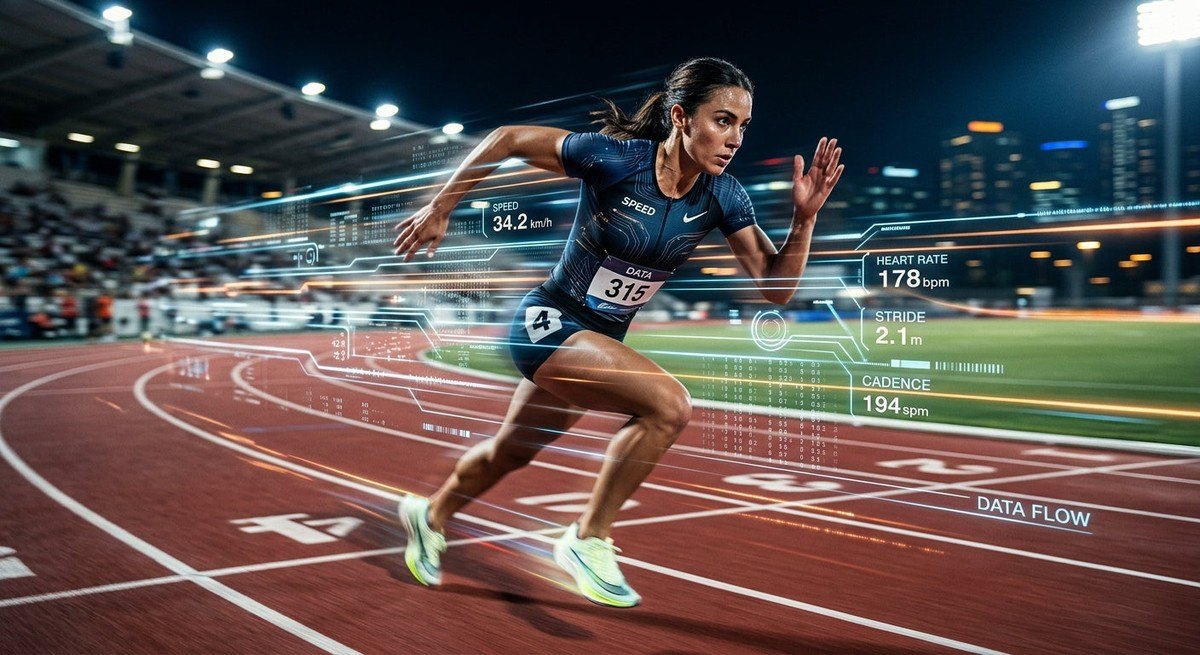
The boundary between biological reality and digital representation is blurring at an unprecedented rate. Digital twinning, a concept once reserved for aerospace engineering and large-scale manufacturing, has migrated into the realm of human physiology. For the modern fitness enthusiast, this represents the transition from simple step-counting to the creation of a dynamic, AI-driven virtual model of their own body.
By aggregating data from wearables, genomic profiles, and metabolic sensors, developers are now building precise digital replicas that simulate how an individual responds to training, nutrition, and recovery. This is not merely data visualisation; it is a predictive sandbox where athletes can test the physiological impact of a marathon programme before placing a single foot on the pavement.
What are the press saying?
Industry analysts have been quick to label digital twinning as the 'holy grail' of preventative medicine. Major tech journals have noted that while initial adoption was centred on elite sports performance, the democratisation of these tools is already underway. The consensus suggests that the shift from reactive health tracking to proactive biological simulation will fundamentally alter how we approach longevity and peak athletic performance.
Comfort & Fit
While digital twins exist in the cloud, the 'fit' refers to the synergy between hardware sensors and the software interface. Comfort is now defined by the seamless integration of biometric data streams. Users are prioritising wearables that offer high-fidelity data—such as continuous glucose monitoring and sweat analysis—to ensure the digital twin remains an accurate reflection of the physical body in real-time.
Features to Look out For
When selecting a platform, look for high-level AI integration that offers causal analysis rather than just correlative data. A robust digital twin should account for micro-fluctuations in heart rate variability, hormonal shifts, and macronutrient absorption. The most sophisticated systems currently integrate mental health metrics to provide a holistic view of the user's readiness to train.
Evolution and History
The history of this technology is rooted in complex systems modelling. Early iterations focused on static health records, but the integration of machine learning algorithms allowed for the transition into real-time tracking. As wearable sensors became smaller and more accurate, the fidelity of these models increased, allowing for the precise mapping of human performance metrics that were previously invisible to the naked eye.

Have a quick training or recovery question?
Get fast expert advice right here on the page—no sign-up, account, or app needed. Try asking Raye: 'What's the best way to relieve tight calves after a run?' Ask a question now
Special Features & Technical Specifications
Material Composition and Sensor Integration
Modern platforms utilise proprietary bio-sensors often composed of flexible, medical-grade polymers designed to maintain consistent skin contact. These sensors feed into cloud-based neural networks that process millions of data points to update the digital twin's status every millisecond.
Physical Dimensions and Weight
The hardware componentry has evolved to become almost weightless, with current generation trackers weighing under 15 grams. This reduction in mass ensures that the capture of biometric data does not interfere with the user's natural movement or athletic performance.
Engineering Advancements
Compared to previous generations, the current architecture supports multi-layered data fusion. This allows for the simultaneous processing of cardiovascular, musculoskeletal, and metabolic data, creating a multi-dimensional model that is 40% more accurate than models from three years ago.
What to Expect in the future?
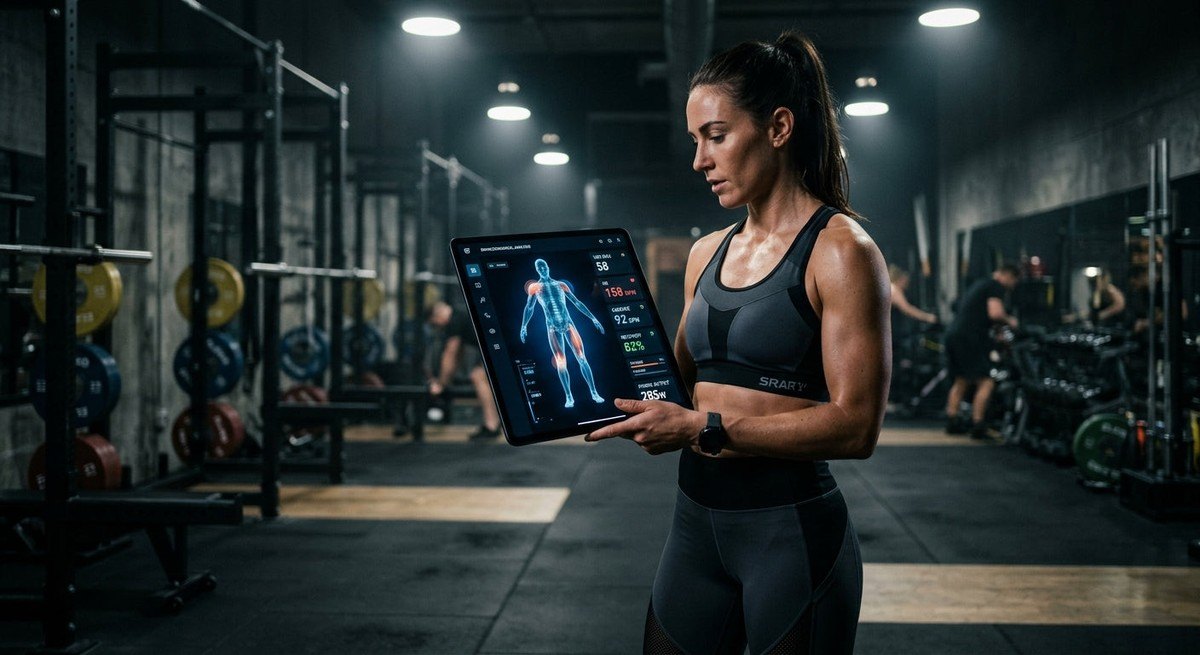
The future of digital twinning lies in the integration of synthetic biology and hyper-personalised AI coaches. We are approaching a horizon where your digital twin will autonomously adjust your training load based on a predicted inflammatory response to a specific workout. This is the next frontier of human optimisation, where technology acts as an invisible, expert coach that never sleeps.
Ultimately, the rise of digital twinning signifies a transition towards a more intimate understanding of our own biology. By treating the body as a measurable, improvable system, fitness enthusiasts can move beyond the trial-and-error approach of traditional training and step into an era of precision, data-led evolution.


