

The Best Red Light Therapy Panels for Muscle Recovery: A Biohacker’s Guide


Need performance advice right now?
Ask our on-site coach anything about your routines. It's completely free and available immediately right here: 'What are 3 quick exercises for ankle mobility?' Ask Raye for free
Introduction
In the high-stakes arena of elite athletic performance, the margin between a personal best and an injury-plagued season is often found in the recovery phase. Photobiomodulation, commonly known as red light therapy (RLT), has migrated from niche clinical settings to the home gyms of serious biohackers. By utilising specific wavelengths of light to stimulate mitochondrial function, these panels offer a non-invasive pathway to accelerating muscle repair and reducing systemic inflammation.
The market is currently flooded with devices claiming miraculous cellular regeneration. However, distinguishing between mere LED panels and high-output therapeutic equipment requires a discerning eye. This analysis examines the current industry leaders, focusing on irradiance, spectral purity, and the integration of data-driven recovery protocols.
What are the press saying?
Leading sports science publications have shifted their tone from scepticism to cautious optimism. Recent reviews in fitness journals highlight that while RLT is not a panacea, it is a formidable tool when used with consistency. The consensus suggests that high-irradiance panels significantly shorten the refractory period between high-intensity training sessions, provided the user adheres to precise dosing schedules.
Comfort & Fit
Modern therapy panels are designed for versatility. Whether you are targeting the quadriceps or the posterior chain, the ergonomic mounting systems allow for complete coverage. The comfort factor is largely dictated by the heat management systems; superior models utilise active cooling to ensure the device remains cool to the touch, allowing for prolonged sessions without the discomfort of ambient infrared heat.
Features to Look out For
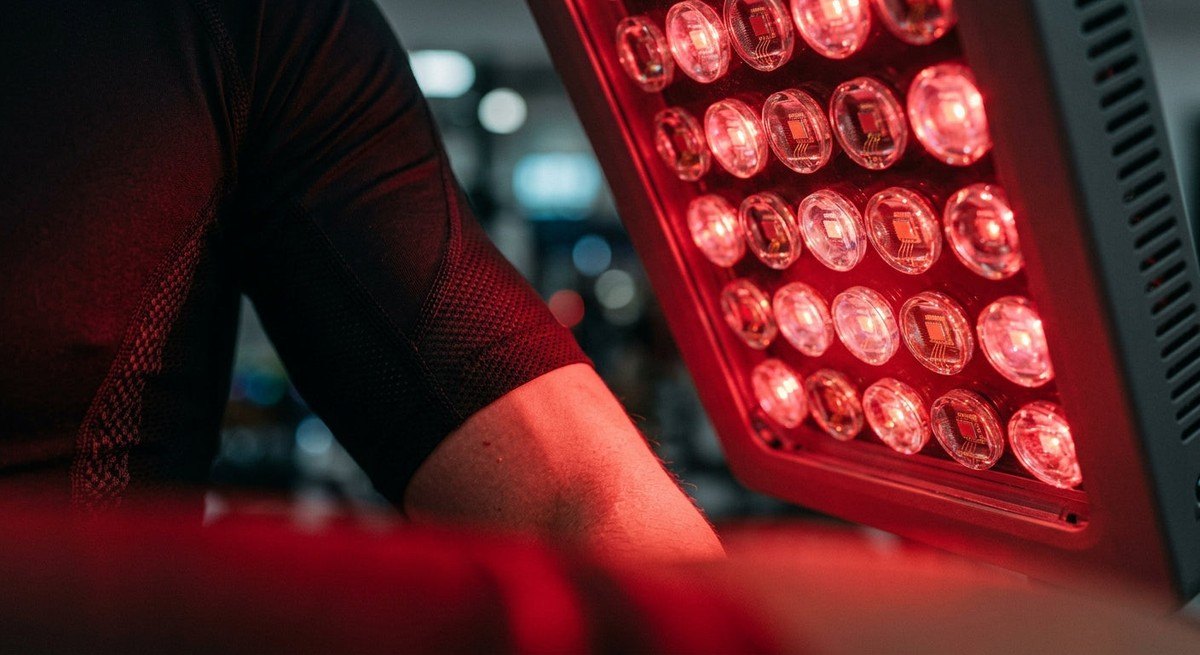
When selecting a panel, prioritise irradiance levels—measured in milliwatts per square centimetre—at specific distances. A device is only as effective as its ability to penetrate deep tissue. Furthermore, look for multi-wavelength output, specifically the combination of 660nm (red) and 850nm (near-infrared), as this dual-action approach ensures both superficial skin health and deep muscular recovery.
Evolution and History
The transition from bulky, medical-grade hospital equipment to sleek, wall-mounted domestic panels represents a massive leap in consumer technology. Early iterations were often inefficient and lacked the spectral precision of today’s advanced LED arrays. The industry has evolved by refining the nanometre output to ensure minimal light scatter and maximum absorption by cytochrome c oxidase.

Need a clear race fuelling strategy?
Get instant, practical advice on hydration and race-day nutrition directly on this page for free. Try asking Raye: 'How many grams of carbs should I take per hour during a half marathon?' Ask for fuelling advice
Special Features & Technical Specifications
Material Composition and Engineering
Current flagship models employ aerospace-grade aluminium housing to facilitate thermal dissipation. The LED arrays utilise high-purity glass lenses that focus light into a coherent beam, reducing the 'spill' that limits the efficiency of cheaper, plastic-lens alternatives.
Physical Dimensions and Weight
Standard professional-grade panels typically measure between 90 and 120 centimetres in height, weighing approximately 8 to 12 kilograms. This weight distribution is critical for stability when mounted on adjustable stands or door-hanging systems.
Generational Advancements
Compared to the previous generation, modern panels have seen a 20% increase in power density. Engineering changes have focused on flicker-free technology, which is essential to prevent eye strain and neurological fatigue during long-duration recovery sessions.
What to Expect in the future?
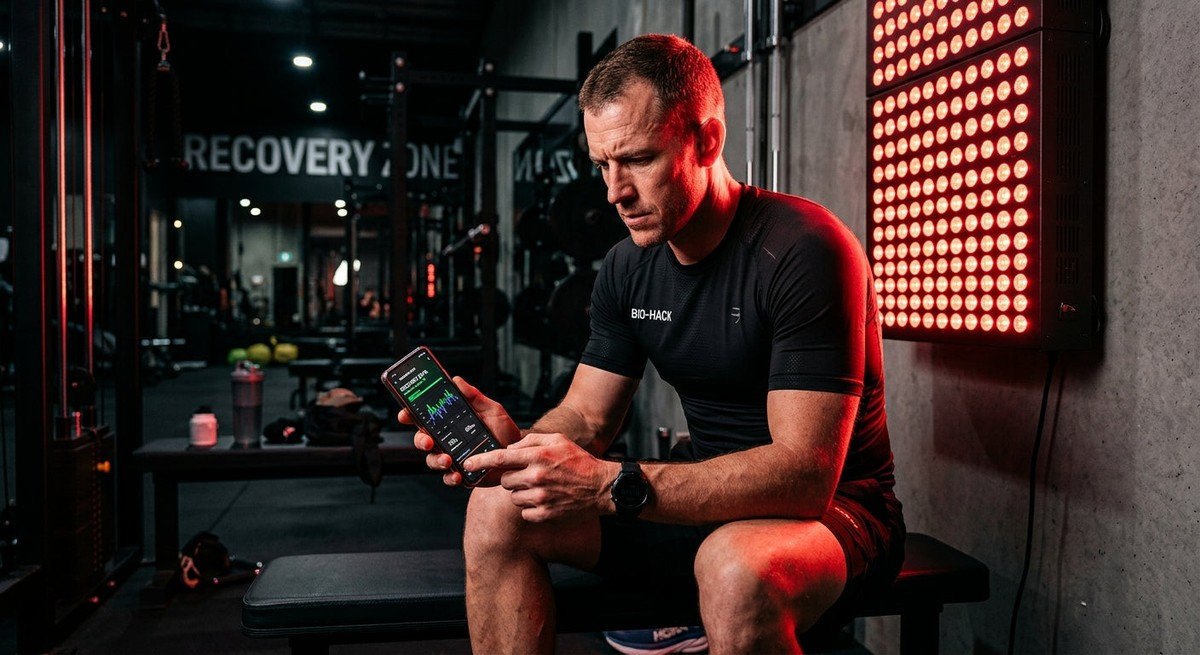
The future of RLT is inextricably linked to the biohacking ecosystem. We anticipate the widespread adoption of smart-panels that sync with wearable biometrics. By tracking your heart rate variability (HRV) and muscle soreness scores, these devices will eventually automate the duration and intensity of your daily light therapy. Investing in a system that offers a recurring subscription for data analysis is not merely an add-on; it is essential for long-term health monitoring and objective progress tracking.
Final Verdict
For the serious athlete, the choice boils down to power and data integration. While entry-level panels offer a taste of the benefits, the top-tier units provide the clinical-grade precision required for meaningful muscle recovery. Prioritise equipment that allows for granular control over your treatment, and embrace the data-driven future of your training regimen.


