

The Rise of AI-Powered Robotic Massage Clinics in 2026


Planning your next fitness milestone?
Get immediate guidance on pacing, workout structure, or race prep directly on-site for free. Try asking Raye: 'Can you outline a simple 4-week build plan for a 10K?' Get instant guidance
The New Frontier of Recovery
The year 2026 marks a seismic shift in the recovery landscape. For decades, athletes have relied on the inconsistent availability of manual therapists, but the emergence of AI-powered robotic massage clinics has effectively democratised elite-level recovery. These clinics, characterised by their sterile, high-tech environments and precision-driven hardware, are no longer a niche curiosity; they are the new gold standard for the modern fitness enthusiast.
What are the press saying?
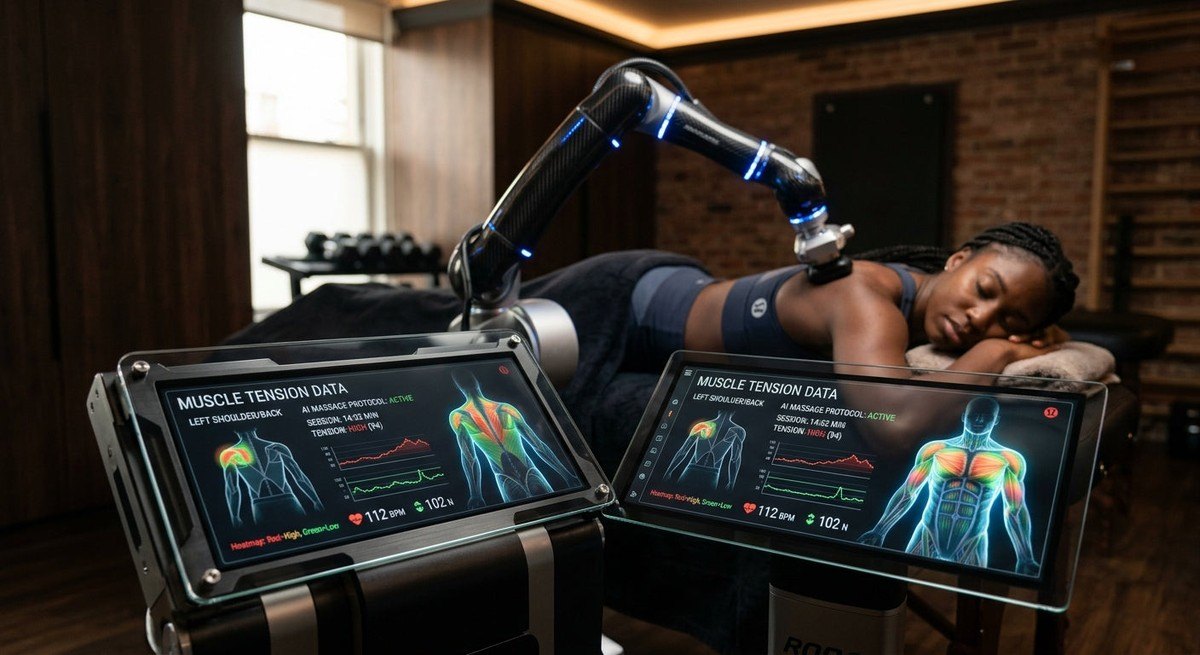
Industry analysts have dubbed this the 'Automation of Wellness'. Leading health journals have noted that while traditional therapy offers a human touch, robotic systems provide an unparalleled level of diagnostic accuracy. The press consensus is clear: machines do not tire, they do not have off-days, and they utilise real-time biometric feedback to adjust pressure mid-session, a feat even the most seasoned therapist finds difficult to replicate consistently.
Comfort & Fit
The user experience within these clinics is designed to be immersive. Upon entry, sensors map the user's musculature, adjusting the robotic arms to accommodate varying limb lengths and body compositions. The sensation is markedly different from human hands; it is firmer, more rhythmic, and entirely devoid of the awkwardness that can sometimes accompany manual sessions. Users report that the 'fit' is bespoke, as the AI remembers previous session data to refine the massage path automatically.
Features to Look out For
When selecting a clinic, look for systems that integrate with wearable tech. The best facilities allow your smart watch to sync data, ensuring the robotic massage focuses on the specific muscle groups strained during your last training cycle. Additionally, look for clinics that offer variable thermal feedback, which combines heat therapy with deep-tissue percussion to accelerate blood flow to targeted areas.
Evolution and History
The transition from primitive vibrating chairs to the sophisticated robotic arms of 2026 was not immediate. Early prototypes struggled with force calibration, often causing discomfort. However, the integration of generative AI has allowed these systems to 'learn' from millions of sessions, refining their approach to mimic the nuanced movements of professional sports masseurs while maintaining the structural rigour of industrial robotics.
Special Features & Technical Specifications
Material Composition
The robotic end-effectors are crafted from medical-grade silicone and hypoallergenic carbon-fibre composites, ensuring both durability and skin compatibility. The contact points are designed to mimic the density of human muscle tissue.

Looking to shave time off your personal best?
Get immediate pacing strategies and interval workout ideas directly on-site for free. Try asking Raye: 'What is the best threshold session to help drop my 10K time?' Get instant pacing tips
Physical Dimensions and Weight
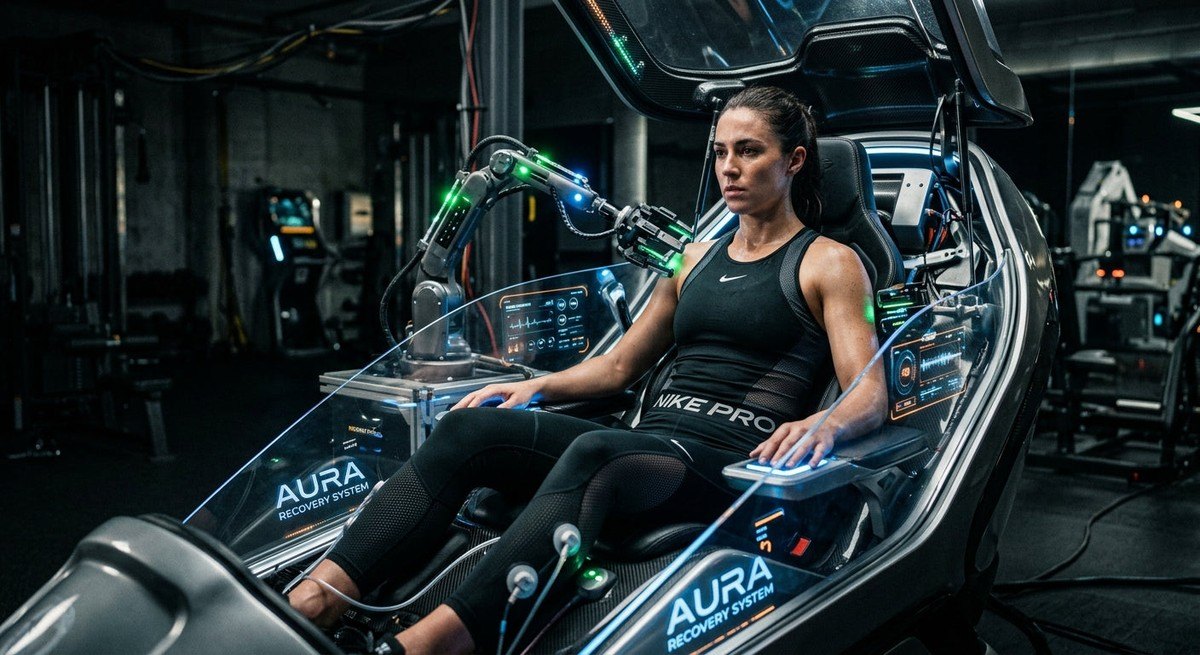
Each unit occupies a footprint of approximately four square metres, standing at a height of 2.2 metres. Despite their formidable appearance, the precision-engineered actuators allow for fluid, near-silent movement, with individual arm modules weighing under 15 kilograms to ensure rapid, responsive adjustments.
Engineering Changes
Unlike 2024 models, the 2026 generation features haptic-feedback sensors that prevent over-exertion on sensitive joints, utilising a closed-loop control system that monitors tissue tension 500 times per second.
What to Expect in the future?
As we look beyond 2026, the integration of synthetic biology may allow for automated topical application of bespoke recovery gels based on individual blood markers. The future of the robotic clinic is not just about massage; it is about becoming a comprehensive, automated recovery hub that anticipates injury before it manifests.
Final Verdict
For the committed athlete, AI-powered robotic massage is an essential investment in longevity. While the human element of therapy will always hold value, the data-driven precision of robotic systems offers a consistent, scalable, and highly effective solution for modern recovery needs. We recommend prioritising clinics that offer full biometric integration to maximise your gains.


