

PEMF Therapy for Runners: The Science of Accelerated Recovery


Want to build strength to support your running?
Get targeted strength routines and mobility exercises designed specifically for runners directly on-site. Try asking Raye: 'What are 3 key gym exercises to improve running economy?' Get strength tips
What are the press saying?
The sports science press has been abuzz with the integration of Pulsed Electromagnetic Field (PEMF) therapy into elite training programmes. Major athletic journals frequently highlight how these devices move beyond standard icing or compression, instead targeting cellular repair at a molecular level. Critics and proponents alike agree that while the technology was once restricted to clinical settings, the current generation of portable units is changing the landscape of home-based recovery.
Journalistic investigations into the efficacy of PEMF suggest that regular application can significantly reduce inflammation markers in the lower limbs of long-distance runners. Rather than merely masking pain, the electromagnetic pulses are reported to stimulate mitochondrial activity, effectively 'recharging' the cells after high-impact sessions on the track or trail.
Comfort & Fit
When selecting a PEMF device, comfort is paramount for the recovery-focused runner. High-end mats should feature medical-grade, hypoallergenic fabrics that allow for breathability during long sessions. The fit must be ergonomic, ensuring that the electromagnetic coils are positioned to target the calves, hamstrings, and lower back without creating pressure points that could exacerbate existing soreness.
For those opting for portable devices, the fit must be secure enough to remain in place during light movement, yet non-restrictive to circulation. A common complaint in earlier models was the bulkiness of the hardware; however, modern iterations prioritise a low-profile design that contours to the body, allowing athletes to recover whilst reading or resting in a natural position.
Features to Look out For
Prospective buyers should prioritise devices that offer customisable frequency ranges. Different tissue types, such as dense muscle versus connective tissue, respond optimally to specific pulse widths and intensities. Ensure the unit possesses a robust control interface that permits manual adjustments rather than relying solely on generic 'recovery' presets.
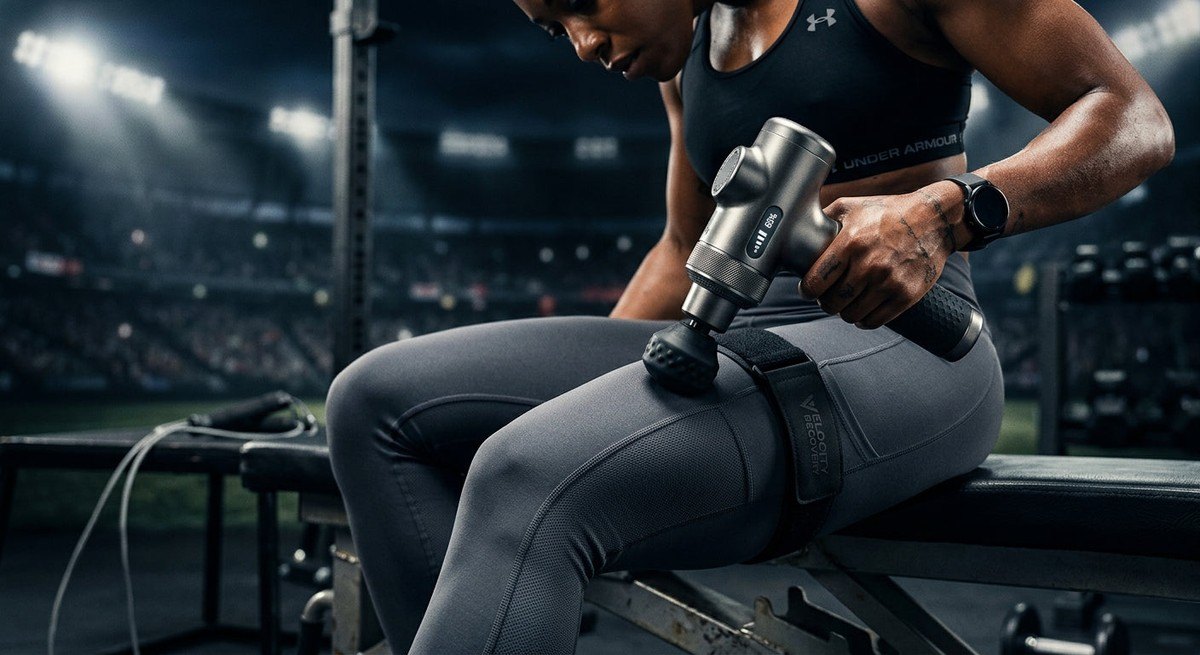
Battery longevity and electromagnetic field coverage area are also critical. A device that requires frequent tethering to a wall outlet limits your freedom, whereas one with a high-capacity lithium-ion battery supports a more fluid recovery routine. Furthermore, look for independent certification regarding the safety and purity of the electromagnetic output to ensure clinical-grade reliability.
Evolution and History
The roots of PEMF technology trace back to orthopaedic research in the mid-20th century, where it was primarily used to accelerate the healing of non-union bone fractures. Over the decades, the technology evolved from industrial-sized machines found in hospitals to the sophisticated, miniaturised arrays currently used by professional football and athletics squads globally.

Have a specific performance goal in mind?
Get direct feedback on your training targets right here on the page—no sign-up or account required. Try asking Raye: 'How should I adjust my weekly mileage for a sub-20 minute 5K?' Ask about your goals
This transition has been driven by advancements in materials science and micro-circuitry. As engineers managed to pack more intensity into smaller footprints, the barrier to entry for amateur athletes lowered. We have moved from a historical paradigm of passive rest to an era of active, technology-driven physical optimisation, marking a significant milestone in sports medicine.
What to Expect in the future?
The future of PEMF is undeniably linked to the Internet of Things (IoT) and biometric integration. We anticipate the arrival of 'smart' mats that sync directly with wearable heart-rate monitors, automatically adjusting the pulse frequency based on the wearer's real-time recovery data. This closed-loop system would remove the guesswork from recovery sessions.

Furthermore, expect to see advancements in graphene-based coil technology, which will allow for even thinner, more powerful fields. As the research base continues to grow, we will likely see more standardised protocols for specific running injuries, moving PEMF from a holistic wellness tool into a definitive, prescription-level recovery standard.
Special Features & Technical Specifications
Material Composition
The latest flagship PEMF mats utilise a multi-layer architecture consisting of high-density memory foam encased in an anti-microbial, moisture-wicking polyurethane cover, ensuring durability against sweat and consistent heavy use.
Physical Dimensions and Weight
Standard recovery mats now measure approximately 180cm by 60cm, weighing under 5kg for optimal portability. Handheld units are designed to be under 300g, fitting comfortably in a standard gym bag.
Engineering Advancements
Compared to previous generations, current models feature a 40% increase in pulse penetration depth and an improved copper-coil array that eliminates 'dead spots' in the magnetic field, providing a uniform treatment surface across the entire mat.


