

Precision Performance: The Rise of sEMG Smart Shorts in Athletic Training


Want to build strength to support your running?
Get targeted strength routines and mobility exercises designed specifically for runners directly on-site. Try asking Raye: 'What are 3 key gym exercises to improve running economy?' Get strength tips
What are the press saying?
The sports technology sector is currently abuzz with the emergence of surface electromyography (sEMG) integration within performance apparel. Industry journals and sports science publications have lauded the transition from laboratory-grade clinical equipment to wearable, textile-integrated sensors. Analysts suggest that the ability to quantify muscle firing patterns in real-time is the most significant leap in training methodology since the advent of heart rate variability monitors.
Comfort & Fit
Engineering these garments requires a delicate balance between skin-electrode contact and functional mobility. Leading manufacturers have prioritised seamless, high-compression fabrics that keep the integrated sensors firmly anchored against the skin. For the athlete, this translates to a second-skin feel that minimises signal noise caused by garment shifting during high-intensity movements such as sprinting or explosive Olympic lifting.
Features to Look out For
When selecting sEMG shorts, the primary metrics to monitor are quadriceps, hamstring, and gluteal activation ratios measured in microvolts (uV). Superior models offer multi-channel data acquisition, allowing users to visualise left-to-right imbalance in real-time. Furthermore, look for software interfaces that provide intuitive visualisations of neuromuscular fatigue, flagging localized exhaustion before metabolic failure manifests as a drop in output.
Evolution and History
Historically, sEMG analysis was confined to clinical research centres, involving cumbersome wired setups and conductive gels. The current generation of smart shorts represents a paradigm shift, utilising dry-electrode technology woven directly into the fabric. This evolution has democratised access to high-fidelity physiological data, moving the technology from the hospital to the gym floor.
Special Features & Technical Specifications
Material Composition
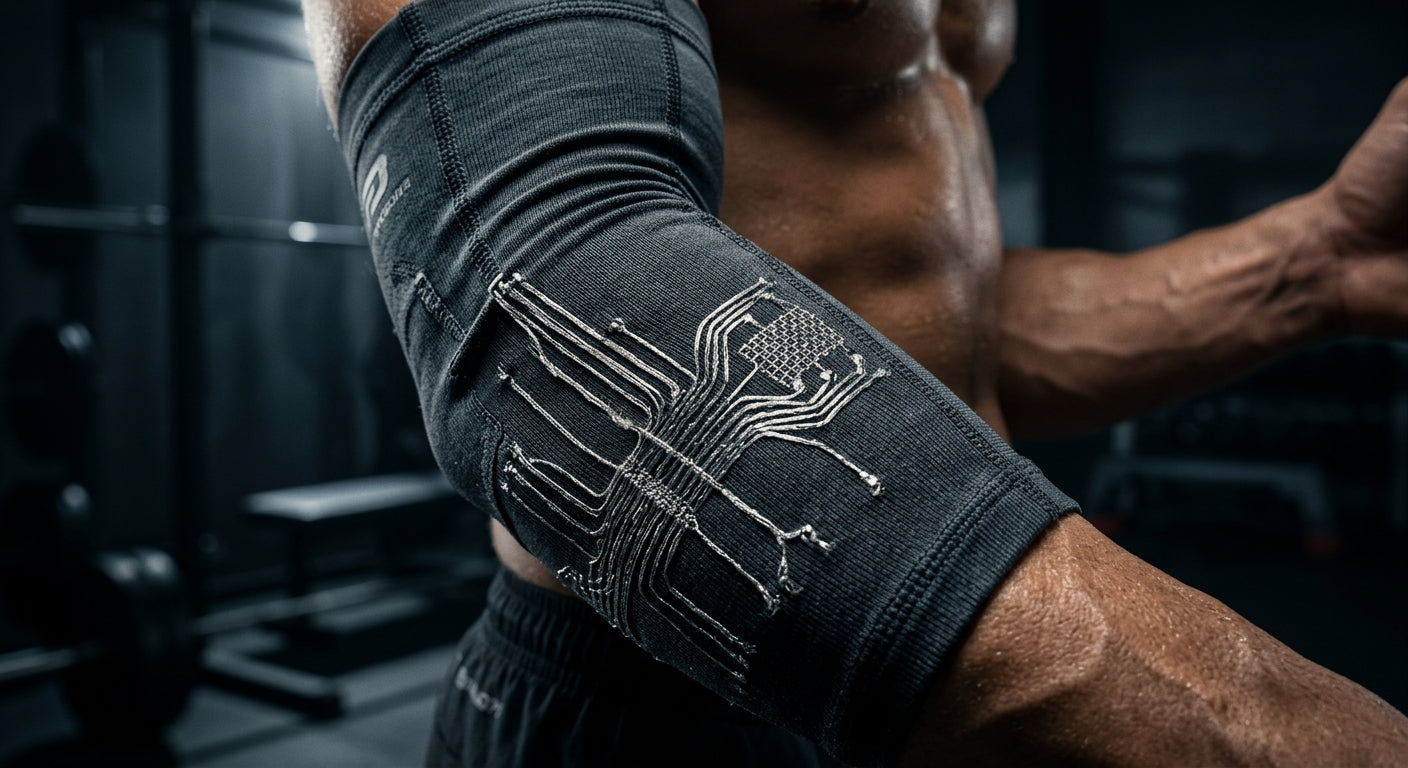
The shorts utilise a proprietary blend of polyamide and elastane, reinforced with conductive silver-threaded filaments that serve as the primary electrodes. These materials are treated to be moisture-wicking and antimicrobial to ensure signal integrity during heavy perspiration.
Physical Dimensions and Weight
Designed for an aerodynamic profile, these garments typically weigh less than 200 grams. The electronic hub, usually housed in a low-profile lumbar pocket, measures approximately 40mm by 30mm, ensuring zero interference with biomechanical range of motion.
Engineering Changes
Compared to previous iterations, the latest models feature improved signal-to-noise ratios, achieved through enhanced shielding of the internal wiring. Battery life has seen a 30% increase, facilitating longer training sessions without the need for mid-workout charging.

Have a specific performance goal in mind?
Get direct feedback on your training targets right here on the page—no sign-up or account required. Try asking Raye: 'How should I adjust my weekly mileage for a sub-20 minute 5K?' Ask about your goals
What to Expect in the future?
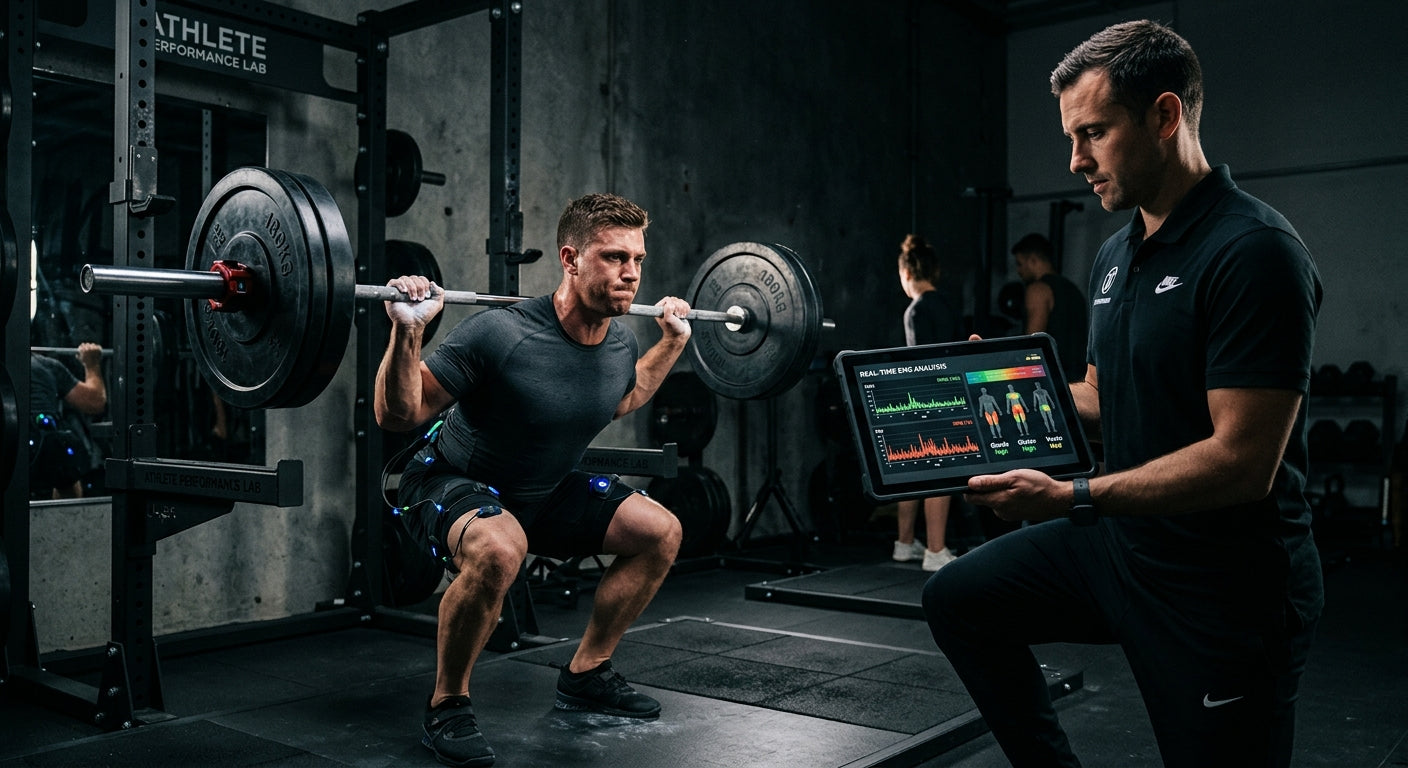
The trajectory of this technology points toward seamless integration with AI-driven coaching platforms. We anticipate future iterations will offer predictive analytics, suggesting micro-adjustments to training volume based on real-time neuromuscular data. As data sets grow, the accuracy of injury prevention algorithms will likely become the industry standard for elite performance programmes.
For those looking to optimise their recovery, integrating these shorts with targeted compression therapy or resistance band protocols can bridge the gap between data collection and physical adaptation. The ability to monitor muscle activation under load provides an unprecedented window into the physiological state of the athlete, marking a new era of evidence-based training.


