

Best HRV Apps for Apple Watch: EliteHRV vs. Athlytic


Trying to beat your local Strava segment goals?
Fine-tune your training strategies to hit your target stats without downloading another app. Try asking Raye: 'How can I structure hill repeats to build short-segment power?' Ask how to hit your target
What are the press saying?
In the rapidly evolving landscape of wearable technology, the debate between EliteHRV and Athlytic has dominated discussions among fitness enthusiasts. Industry journals have frequently lauded Athlytic for its seamless integration with the Apple Health ecosystem, noting its ability to translate complex data into actionable recovery scores. Conversely, EliteHRV is often highlighted for its meticulous approach to data granularity, appealing to those who prefer a more clinical, data-driven methodology to their physiological monitoring.
Critics often point out that while Athlytic prioritises user experience and aesthetic clarity, EliteHRV remains the gold standard for those who wish to perform morning 'readiness' tests manually. Journalists have noted that the divergence in these platforms reflects a broader shift in how we perceive recovery: as either a passive background metric or an active, daily ritual.
Comfort & Fit
While the apps themselves are software-based, their utility is entirely dependent on the physical fit of the Apple Watch. A loose strap or incorrect placement on the wrist can lead to signal noise, rendering HRV data useless. Both platforms perform best when the watch is secured snugly above the wrist bone, ensuring the optical heart rate sensor can maintain constant contact with the skin during sleep.
Users frequently report that for the most accurate morning readings, a slightly tighter fit is required. Those who struggle with the standard silicone straps often opt for nylon sport loops, which allow for the precise micro-adjustments necessary to ensure the sensor captures the high-fidelity data these apps demand for their complex algorithms.
Features to Look out For
Athlytic excels in its 'Recovery Score' and 'Exertion' tracking, which uses machine learning to suggest daily training intensities. It is essentially an automated coach that lives on your wrist, constantly updating based on your sleep quality and heart rate variability. The interface is clean, intuitive, and designed for the modern athlete who needs insights at a glance.
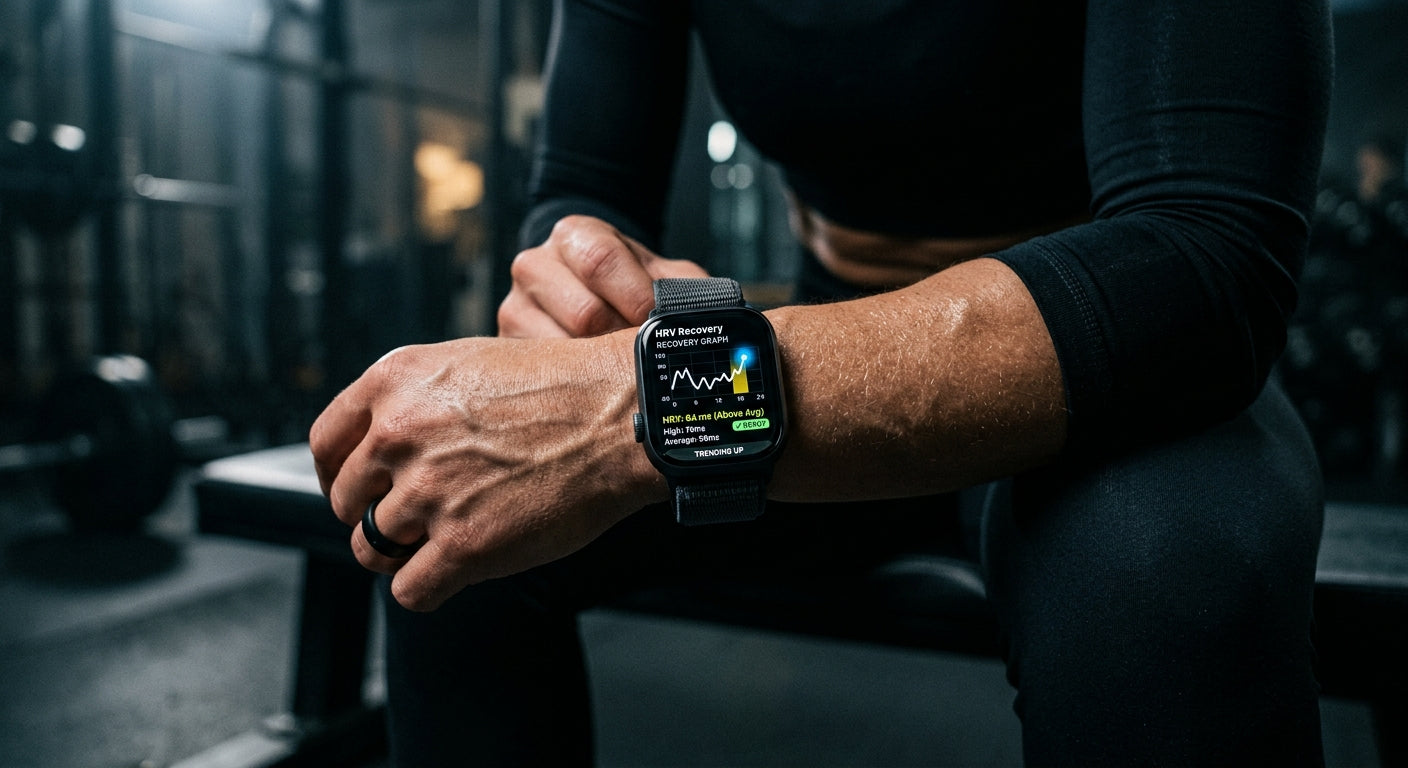
EliteHRV, on the other hand, provides a deep dive into the autonomic nervous system. Its standout feature is the guided breathing and testing protocol, which encourages users to take a dedicated moment each morning to assess their readiness. It does not just observe; it demands a contribution from the user, which many serious competitors believe leads to higher quality, consistent data points.
Evolution and History
The history of HRV tracking on the Apple Watch has been a journey from rudimentary heart rate monitoring to sophisticated physiological analysis. Early adopters relied on chest straps tethered to external devices, but the software revolution of the last five years has shifted this capability entirely onto the wrist. Athlytic emerged as a response to the need for automated, 'set and forget' tracking, while EliteHRV has evolved from a niche tool for endurance athletes into a refined platform that bridges the gap between consumer tech and professional sports science.

Hit a wall with form, pacing, or fatigue?
Skip searching forums. Chat directly on this page with our performance coach to solve training issues in seconds: 'How do I prevent side stitches on long runs?' Troubleshoot your run
Special Features & Technical Specifications
Material Composition and Hardware Integration
Both applications rely on the Apple Watch’s proprietary optical heart rate sensors. Recent generations have seen significant improvements in the sampling frequency of these sensors, allowing for more reliable R-R interval detection. Athlytic utilises the Apple Health API to pull background data, whereas EliteHRV leverages proprietary algorithms to filter noise from the raw sensor output.
Engineering and Data Processing
The transition from 24-hour monitoring to 'snapshots' has been the most significant engineering shift. Athlytic processes data points throughout the night to establish a baseline, while EliteHRV focuses on the 'Morning Readiness' score, which requires a specific testing window. The software architecture of both apps has been optimised to minimise battery drain on the watch, a critical factor for those who wear their devices 24/7.
What to Expect in the future?
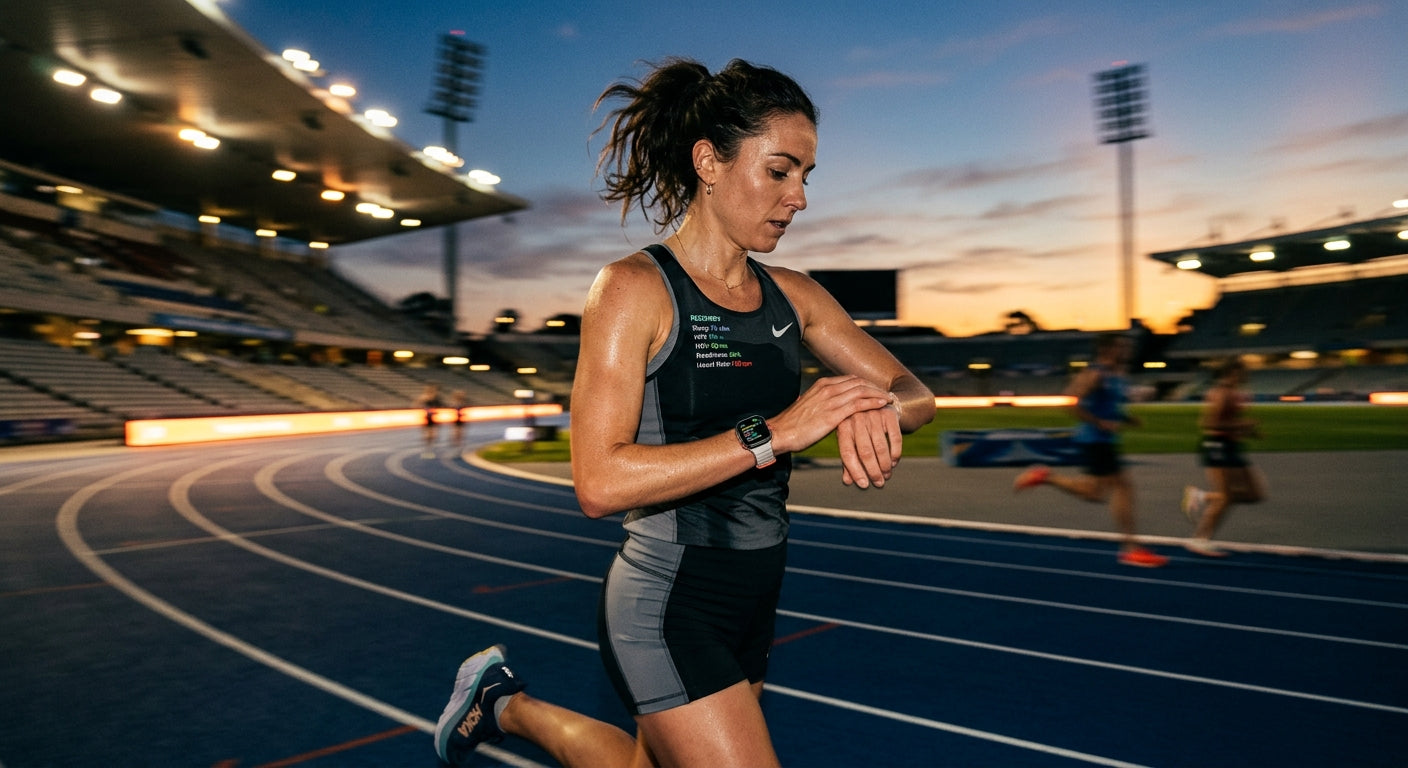
As Apple continues to refine its own Vitals app within watchOS, the third-party ecosystem must innovate to remain relevant. We expect to see more integration with artificial intelligence, moving beyond simple recovery scores to predictive modelling that forecasts injury risk and peak performance windows. The future will likely see a move toward even more granular metrics, perhaps including respiratory rate and blood oxygen trends as standard inputs for HRV calculations.
Ultimately, both apps justify their subscription models for the dedicated athlete. If you value automation and sleek design, Athlytic is the superior choice. If you are a data purist who wants to understand the 'why' behind your recovery, EliteHRV is the indispensable tool for your training kit.


