

The Best Nutrition Tracking Apps for Endurance Athletes


Need performance advice right now?
Ask our on-site coach anything about your routines. It's completely free and available immediately right here: 'What are 3 quick exercises for ankle mobility?' Ask Raye for free
What are the press saying?
In the high-stakes world of endurance sports, the digital landscape has shifted from simple calorie counting to sophisticated metabolic monitoring. Recent industry reports and tech journals have highlighted a clear divide: while general fitness apps focus on weight loss, specialised platforms are now prioritising glycaemic variability and micronutrient density. Critics argue that the market is currently saturated with overly complex interfaces, yet top-tier endurance publications consistently praise apps that bridge the gap between training load data and fuel intake.
Comfort & Fit
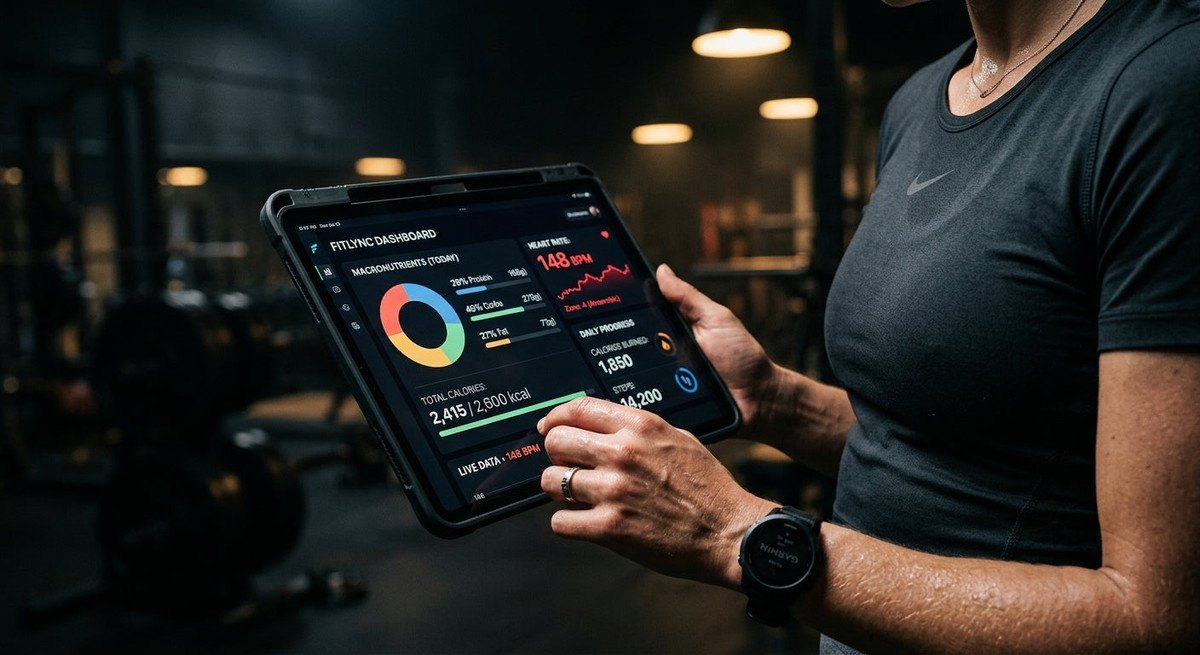
Unlike physical equipment, the 'fit' of a nutrition app is defined by user experience and interface accessibility. An athlete enduring a three-hour cycle cannot navigate a clunky, multi-step menu. The most successful apps offer a seamless, one-touch logging experience. The best software integrates directly with wearable technology, ensuring that energy expenditure data automatically informs the recommended carbohydrate intake for the next training block, creating a fluid, unobtrusive experience that feels tailored to the individual's physiological needs.
Features to Look out For
When selecting a platform, endurance athletes must prioritise deep integration with training ecosystems like Strava or TrainingPeaks. Essential features include macro-nutrient distribution analysis, real-time blood glucose monitoring compatibility, and the ability to log hydration alongside electrolytes. Furthermore, the capacity for custom database creation—allowing for specific race-day gels and powders—is a non-negotiable requirement for those training for ultra-distance events.
Evolution and History
The history of digital nutrition tracking began as rudimentary paper-log digitisation. Over the last decade, we have witnessed a transition towards predictive analytics. Early iterations focused on static caloric deficits; modern software, however, employs machine learning to suggest recovery-focused meals based on the intensity of the morning's VO2 max session. This evolution reflects a broader movement towards 'precision nutrition,' where data is no longer retrospective but actively guides future performance.
Special Features & Technical Specifications
Material Composition and Digital Architecture
Modern nutrition apps utilise cloud-based relational databases built on high-throughput frameworks. These systems are designed to process millions of data points per second, ensuring that the synchronisation between heart-rate monitors and nutritional logs is instantaneous, minimising latency during high-intensity training phases.

Need a clear race fuelling strategy?
Get instant, practical advice on hydration and race-day nutrition directly on this page for free. Try asking Raye: 'How many grams of carbs should I take per hour during a half marathon?' Ask for fuelling advice
Engineering and Physical Integration
Compared to previous generations, current software has reduced its memory footprint by approximately 30%, allowing for faster load times on mobile devices. Engineering shifts have prioritised 'offline-first' architecture, ensuring that athletes in remote locations can still log data without an active network connection, a significant upgrade from the cloud-dependent models of the early 2020s.
What to Expect in the future?
The future of nutrition tracking lies in the integration of AI-driven metabolic sensing. We are moving towards a paradigm where apps will provide real-time suggestions on the exact milligram of sodium required based on sweat-rate sensors. As the ecosystem matures, expect these platforms to become less about 'tracking' and more about 'prescribing' fuel, effectively acting as a digital nutritionist in your pocket. The subscription cost will increasingly be justified by the reduction in injury risk and improved recovery times.

Ultimately, the choice of app depends on your individual commitment to data granularity. For the weekend warrior, a standard tracker may suffice, but for the competitive athlete, the investment in a high-end, integrated ecosystem is a fundamental component of modern athletic success. By choosing a tool that aligns with your specific training load, you transform nutrition from a guessing game into a precise, performance-enhancing science.


