

Smart Sleep Wearables: Oura Ring Gen 4 vs Whoop 5.0 for Tracking Deep and REM Sleep Architecture


Planning your next fitness milestone?
Get immediate guidance on pacing, workout structure, or race prep directly on-site for free. Try asking Raye: 'Can you outline a simple 4-week build plan for a 10K?' Get instant guidance
What are the press saying?
The fitness technology landscape is currently dominated by a fierce rivalry between the Oura Ring Gen 4 and the Whoop 5.0. Industry critics have noted a distinct divergence in philosophy: Oura leans into the minimalist, lifestyle-integrated form factor, while Whoop doubles down on the raw, data-driven needs of the high-performance athlete. Reviewers frequently highlight that while both devices excel at identifying sleep stages, their algorithmic approach to recovery differs significantly, with Whoop prioritising cardiovascular strain over the holistic wellness metrics favoured by Oura.
Journalistic consensus suggests that for the multisport athlete, the choice hinges on whether one prefers the unobtrusive nature of a ring or the biometric granularity of a wrist-worn sensor. Both manufacturers have faced intense scrutiny regarding the accuracy of nocturnal heart rate variability (HRV) and skin temperature deltas, yet both have proven their worth in tracking the elusive architecture of slow-wave sleep (SWS).
Comfort & Fit
Comfort is the silent arbiter of sleep tracking. The Oura Ring Gen 4 represents a triumph in miniaturisation, offering a lightweight, titanium-shelled profile that feels virtually non-existent during the night. For runners who find wrist-worn devices distracting or prone to shifting during restless sleep, the ring provides a seamless experience, ensuring consistent contact with the finger’s arteries for superior signal acquisition.
Conversely, the Whoop 5.0 utilises a flexible, hyper-adjustable band that can be worn on the wrist, bicep, or via integrated apparel. While some athletes find wearing a device on the wrist uncomfortable during deep sleep, the bicep placement is often cited as the gold standard for accuracy. It eliminates the movement artefacts that can plague wrist-based sensors, providing a more stable reading of nocturnal HRV and resting heart rate.
Features to Look out For
When assessing these devices, one must scrutinise the depth of their sleep staging capabilities. Both platforms utilise advanced photoplethysmography (PPG) to track sleep cycles, yet their interpretations vary. The Oura Ring Gen 4 excels at monitoring skin temperature trends, which is critical for detecting early signs of illness or overtraining. Its ability to calculate sleep debt with a simple, intuitive interface makes it ideal for athletes who need a quick snapshot of their recovery status.
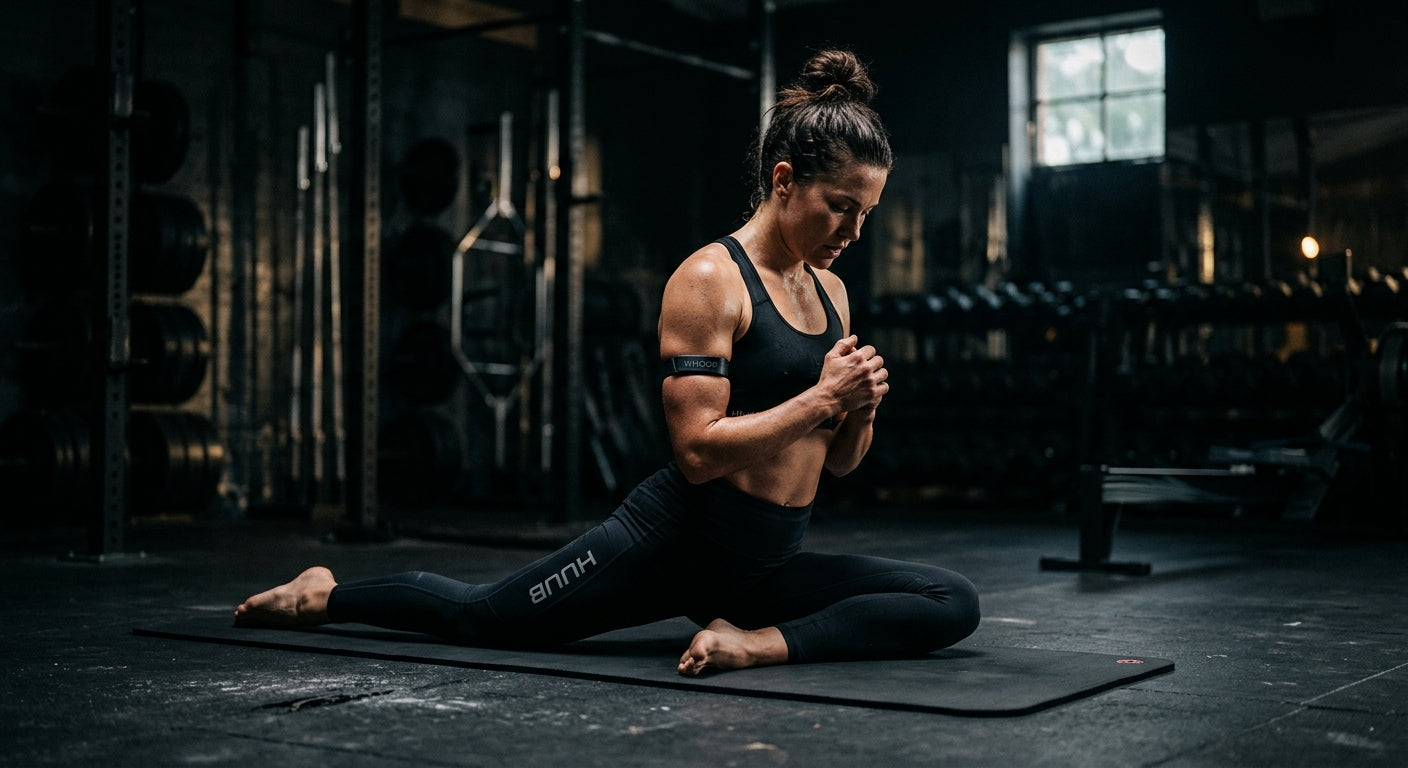
Whoop 5.0, however, is built for the data-obsessed. Its 'Recovery' score is a complex calculation of HRV, resting heart rate, and sleep performance. It offers a more robust analysis of sleep debt and 'Sleep Need', providing actionable insights that tell an athlete exactly how much intensity to apply to their morning track session. For those who track every micro-variable of their training cycle, Whoop remains the industry benchmark.

Looking to shave time off your personal best?
Get immediate pacing strategies and interval workout ideas directly on-site for free. Try asking Raye: 'What is the best threshold session to help drop my 10K time?' Get instant pacing tips
Evolution and History
The evolution of these wearables has been rapid. The transition from the Oura Gen 3 to Gen 4 has seen significant improvements in signal processing and sensor density, allowing for a more accurate reading of SWS and REM architecture. The internal hardware has been refined to reduce noise, ensuring that even minor fluctuations in heart rate are captured with clinical precision.
Whoop has followed a similar trajectory, moving from a simple tracker to a sophisticated biomechanical monitor. The 5.0 iteration represents a maturation of their sensor suite, with enhanced optical hardware that better handles the challenges of different skin tones and high-intensity movement. The history of these devices is one of constant iteration, moving from general fitness tracking to highly specialised recovery analysis.
Special Features & Technical Specifications
Material Composition and Weight
The Oura Ring Gen 4 is crafted from aerospace-grade titanium, weighing between 4 to 6 grams depending on the size. The Whoop 5.0 features a durable, moisture-wicking synthetic band with an anodised aluminium sensor housing, weighing approximately 25 grams.
Engineering and Sensor Tech
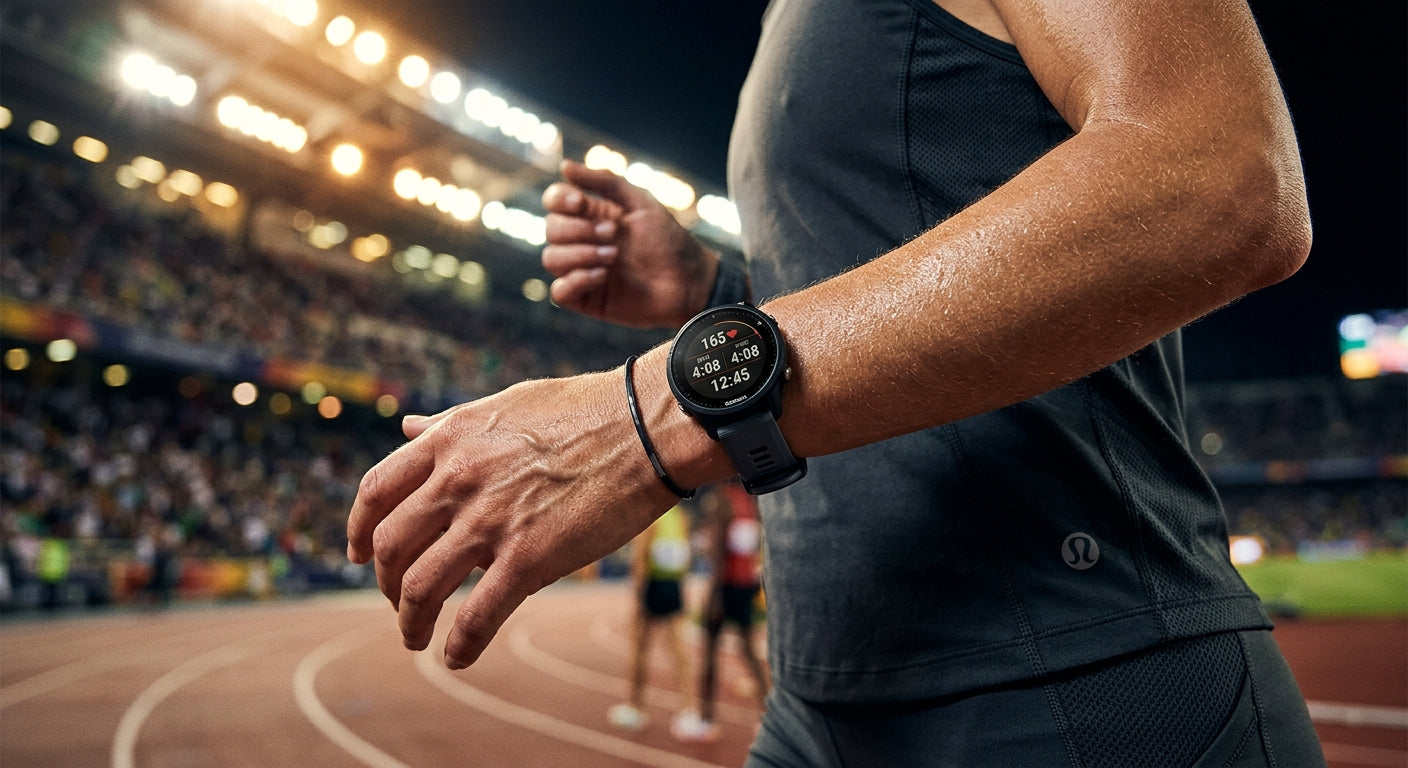
The Oura Gen 4 employs an array of seven NTC temperature sensors and infrared LEDs for deep tissue monitoring. The Whoop 5.0 utilises a five-LED optical sensor array with four photodiodes, specifically engineered to maintain contact during high-intensity training sessions and nocturnal movement.
What to Expect in the future?
The future of sleep wearables lies in predictive analytics. We anticipate that both Oura and Whoop will soon integrate AI-driven coaching that goes beyond simple recovery scores, instead offering prescriptive advice on nutrition and electrolyte intake based on the previous night’s sleep architecture. As sensors become more sensitive, we may see the integration of sweat analysis or real-time blood glucose monitoring, further blurring the line between a consumer wearable and a medical-grade diagnostic tool.
For the athlete, this means a future where recovery is no longer a guessing game. By leveraging nocturnal data, these devices will allow for a more personalised approach to periodisation, ensuring that every training block is optimised for performance and longevity. As the technology matures, the barrier to entry will likely decrease, making these high-precision tools accessible to a broader demographic of fitness enthusiasts.
Ultimately, the choice between the Oura Ring Gen 4 and the Whoop 5.0 comes down to your personal training philosophy. If you value a discreet, lifestyle-oriented device that offers excellent health insights, Oura is the superior choice. If you are a performance-focused athlete who demands granular data to fuel your training decisions, the Whoop 5.0 remains the undisputed king of the recovery category.


