

Do Pneumatic Compression Boots (Normatec) Actually Work?


Dealing with a nagging injury or tightness?
Get instant recovery guidance, stretching protocols, and rest advice right now without leaving the site. Try asking Raye: 'What are the best stretches to relieve tight calves after a long run?' Get recovery advice
In the high-stakes world of elite sport, recovery is no longer an afterthought; it is the fundamental pillar upon which performance is built. Among the myriad gadgets promising to accelerate physiological repair, pneumatic compression boots, most notably the Normatec series, have ascended to the status of a mandatory kit component for the world’s top-tier athletes. But beyond the clinical aesthetic and the buzz, do these rhythmic, air-filled sleeves actually deliver, or are they merely an expensive placebo for the fitness-obsessed?
At their core, these devices utilise sequential pulse technology to mimic the natural muscle pump of the lower limbs. By applying dynamic pressure, they facilitate venous return and lymphatic drainage, effectively flushing out metabolic by-products like lactate. For the modern athlete, the objective is simple: reduce delayed onset muscle soreness (DOMS) and return to the training pitch or track with fresher legs, sooner.
What are the press saying?
Sports science journalists and clinical researchers have been divided, though the tide is shifting towards cautious optimism. While early scepticism labelled these devices as glorified leg massagers, recent meta-analyses suggest that while they may not be a magic bullet for cellular repair, they are highly effective at reducing perceived muscle soreness and increasing range of motion. The consensus among elite coaching staff is that the psychological benefit of 'feeling' recovered is just as vital as the physiological flushing of tissues.
Comfort & Fit
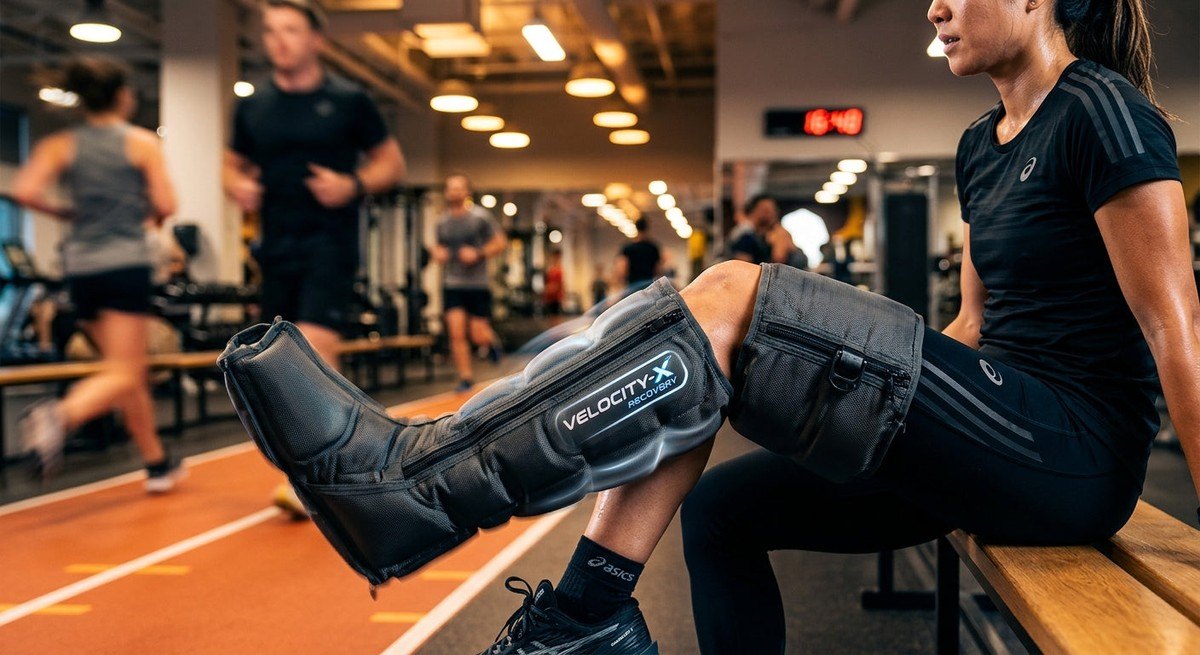
When investing in premium recovery technology, fit is paramount. The current iteration of compression boots offers a bespoke experience, with overlapping chambers that eliminate gaps in compression. The internal liners are crafted from medical-grade, anti-microbial fabrics that feel robust yet breathable against the skin, ensuring that even after a sixty-minute session, the user remains comfortable.
Features to Look out For
When selecting your system, prioritise customisation. The best units offer zone-specific control, allowing users to target acute areas of inflammation while bypassing sensitive joints. Bluetooth connectivity and app integration are no longer luxuries; they are essential for tracking recovery metrics and syncing data with wearable fitness trackers to ensure your recovery protocol matches your training load.
Evolution and History
The technology traces its roots back to clinical environments, originally designed for patients suffering from circulatory issues or lymphedema. It was the sports medicine community that recognised the potential for healthy, high-performing individuals to utilise this pressure-based therapy to manage the rigours of intense daily training. Over the past decade, the hardware has transitioned from bulky, hospital-bound machinery to sleek, portable, battery-operated units that fit into a carry-on bag.

Have a quick training or recovery question?
Get fast expert advice right here on the page—no sign-up, account, or app needed. Try asking Raye: 'What's the best way to relieve tight calves after a run?' Ask a question now
Special Features & Technical Specifications
Material Composition
Modern boots feature durable nylon shells with reinforced TPU bladders, designed to withstand thousands of inflation cycles without losing structural integrity or pressure consistency.
Physical Dimensions and Weight
The control units have been miniaturised significantly, now weighing under 1.5kg, while the full-leg attachments are engineered with a tapered profile to ensure consistent pressure distribution across varying calf and thigh circumferences.
Engineering Advancements
Compared to previous generations, current models feature a 30% reduction in acoustic noise and a 50% increase in battery efficiency, allowing for marathon recovery sessions without the need for constant mains power.
What to Expect in the future?
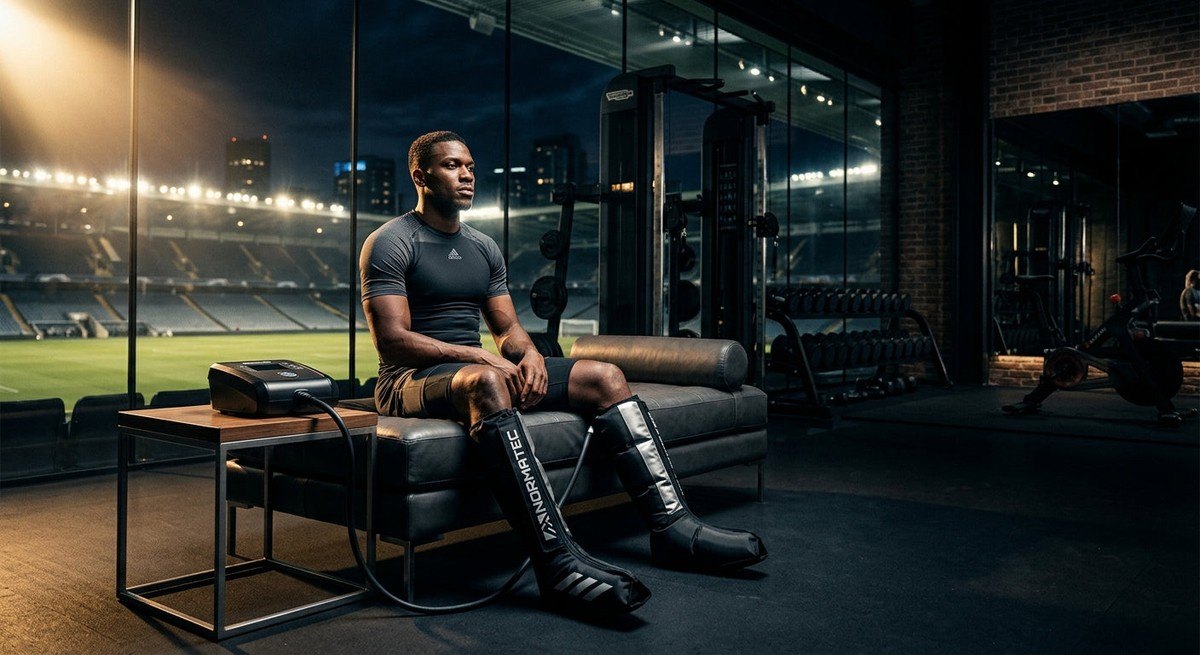
The next frontier for recovery tech lies in bio-feedback. We expect to see boots that integrate real-time sensor data—measuring heart rate variability and muscle oxygenation—to automatically adjust compression intensity. The future of recovery is not just about moving fluid; it is about intelligent, adaptive systems that respond to the physiological state of the athlete in real-time.
Ultimately, pneumatic compression boots are a tool for the dedicated. They represent the pursuit of marginal gains, providing an edge that is often the difference between stagnation and peak performance. If your budget allows for the investment, the combination of physiological drainage and the meditative, forced downtime of a recovery session provides a comprehensive recovery strategy that is difficult to replicate through traditional massage alone.


