

Smart Foam Rollers: Are Vibrating Rollers Worth the Upgrade?


Planning your next fitness milestone?
Get immediate guidance on pacing, workout structure, or race prep directly on-site for free. Try asking Raye: 'Can you outline a simple 4-week build plan for a 10K?' Get instant guidance
What are the press saying?
The fitness industry has been abuzz with the rise of percussive therapy and smart recovery tools. Leading sports science publications and health journals suggest that the integration of mechanical vibration into myofascial release techniques significantly enhances blood flow compared to traditional static rolling. Critics and professional physiotherapists often highlight that while traditional rollers are cost-effective, the added frequency modulation of smart rollers aids in desensitising sore muscles, making the recovery process more tolerable for high-performance athletes.
Journalistic reviews across the UK fitness circuit frequently praise the transition from manual labour to automated oscillation. The consensus points towards a shift in how we approach post-workout inflammation, suggesting that the tactile feedback provided by these devices allows for a more targeted approach to trigger point therapy, effectively shortening recovery windows.
Comfort & Fit
The user experience of a smart foam roller is fundamentally different from a standard high-density foam cylinder. The outer shell is typically engineered with varying textures—grooves, ridges, and flat surfaces—designed to mimic the hands of a massage therapist. When the vibration motor is engaged, these surfaces interact with the musculature to provide a deep-tissue sensation that feels less like a blunt instrument and more like a precise therapeutic tool.
Comfort is highly subjective, particularly for those with acute injury profiles. However, the ability to adjust vibration intensity is a game-changer. By modulating the frequency, a user can transition from a gentle, soothing surface massage to a high-intensity, deep-penetrating treatment. This versatility makes them suitable for both the professional athlete nursing a strain and the weekend warrior dealing with general muscle tightness.
Features to Look out For
When selecting a smart foam roller, one must prioritise build quality and battery efficiency. Look for devices that offer at least three distinct vibration speeds to cater to different muscle groups. A robust motor that maintains consistent frequency under pressure is non-negotiable; cheap alternatives often stall when weighted, rendering the vibration ineffective.
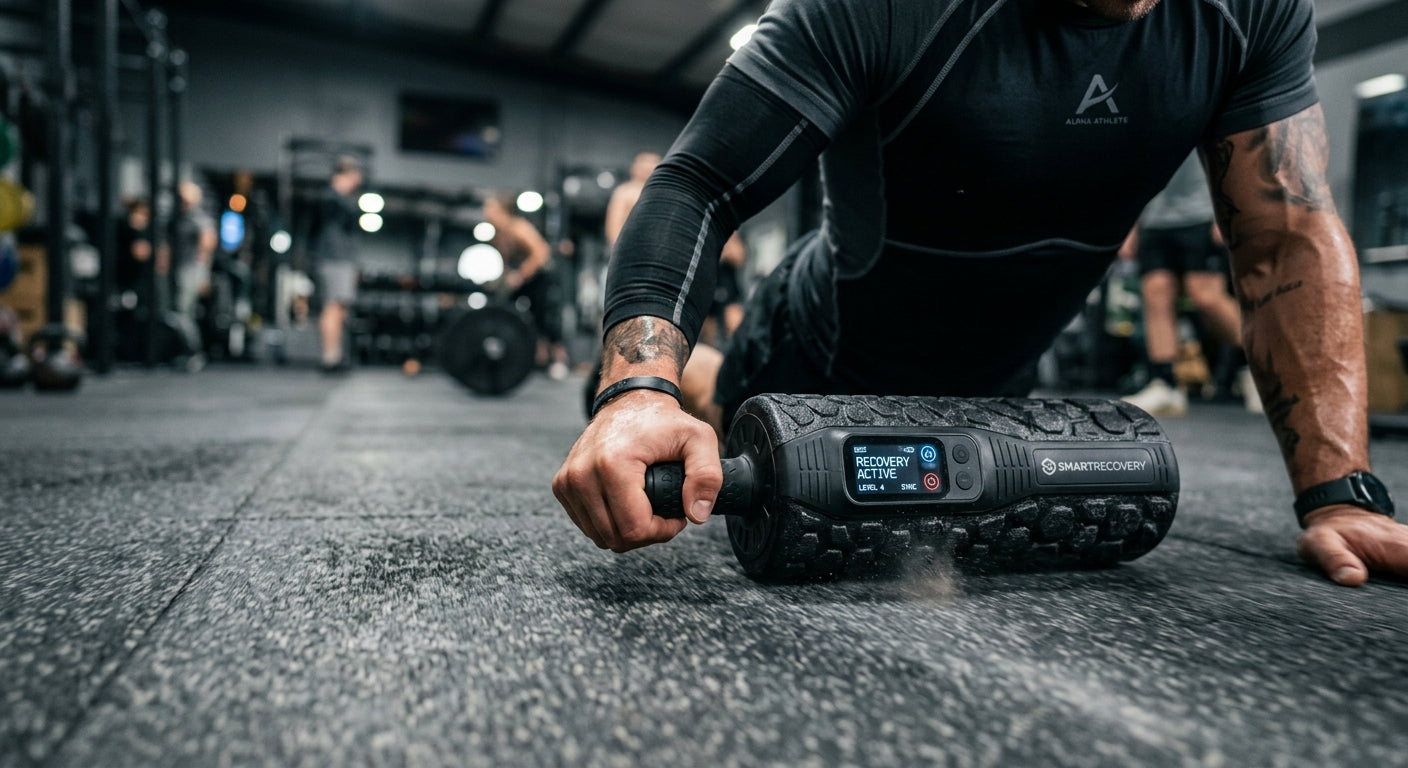
Connectivity is another emerging feature. Modern smart rollers often integrate with mobile applications via Bluetooth, offering guided recovery programmes that sync with your workout data. This clinical-grade connectivity allows athletes to track their recovery sessions with the same precision they apply to their training metrics, ensuring a holistic approach to physical optimisation.

Looking to shave time off your personal best?
Get immediate pacing strategies and interval workout ideas directly on-site for free. Try asking Raye: 'What is the best threshold session to help drop my 10K time?' Get instant pacing tips
Evolution and History
The evolution of the foam roller is a testament to our growing obsession with physiological recovery. Initially, athletes relied on simple PVC pipes wrapped in foam—a utilitarian approach that served its purpose but lacked finesse. As sports science advanced, so did the complexity of our recovery tools. The introduction of vibration technology was the natural progression, borrowing principles from industrial physical therapy equipment and miniaturising them for the home market.
Historically, recovery was seen as passive. Today, it is an active discipline. The transition from passive foam rollers to active, smart devices reflects a cultural shift where recovery is prioritised as a fundamental component of the training cycle, rather than an afterthought.
Special Features & Technical Specifications
Material Composition
Most premium smart rollers utilise high-grade, eco-friendly EVA or EPP foam shells. These materials are chosen for their durability, ability to retain shape under heavy loads, and hypoallergenic properties. The internal core is typically reinforced with a heat-resistant polycarbonate housing to protect the motor and battery assembly.
Physical Dimensions and Weight
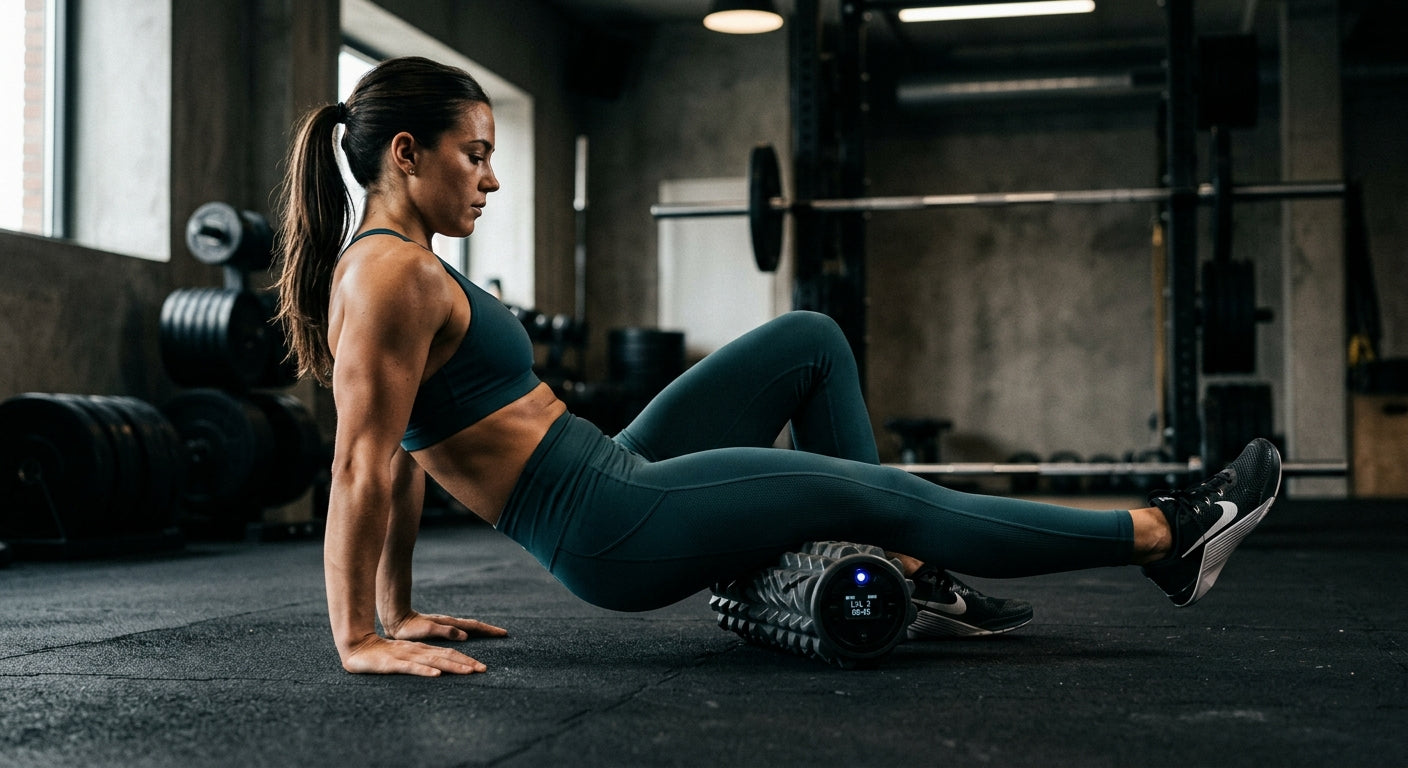
Standard professional-grade units typically measure 30cm to 45cm in length, with a diameter of approximately 12cm to 15cm. Weight is a critical factor; most high-end models weigh between 0.8kg and 1.2kg, providing a solid, stable base that does not feel cumbersome during transport in a gym bag.
Engineering Advancements
Compared to previous generations, modern smart rollers have seen a 40% reduction in noise output due to improved motor dampening. Furthermore, lithium-ion battery technology has evolved to provide up to three hours of continuous use on a single charge, a significant leap from the 45-minute limitations of early prototypes.
What to Expect in the future?
The future of recovery technology lies in artificial intelligence and bio-feedback integration. We expect to see rollers that can detect muscle tension levels in real-time, automatically adjusting their vibration frequency to target specific knots without manual intervention. As the industry matures, the barrier to entry will likely lower, making this technology accessible to a wider demographic of fitness enthusiasts.
Ultimately, while a smart foam roller requires a higher initial investment than a traditional roller, the clinical benefits are clear. For anyone serious about maintaining peak performance and minimising downtime, the upgrade is not merely a luxury; it is a strategic investment in long-term musculoskeletal health.


