

Thermal Cycling Bib Tights vs. Knee Warmers: Temperature Thresholds and Versatility


Trying to beat your local Strava segment goals?
Fine-tune your training strategies to hit your target stats without downloading another app. Try asking Raye: 'How can I structure hill repeats to build short-segment power?' Ask how to hit your target
Step by Step Starting Out
Getting your kit dialled for those tricky shoulder-season months is a bit of an art form. When the temperature hovers between 5°C and 15°C, you are often caught in a meteorological no-man's land. One minute you are shivering at the traffic lights, and ten minutes later, you are overheating on a climb. My advice? Start by assessing your ride intensity. If you are pushing hard intervals, you will naturally generate more heat, making modular systems like knee warmers a brilliant choice.
For those crisp 5°C mornings, thermal fleece-backed Roubaix bib tights are my go-to. They provide consistent, full-leg insulation that keeps your muscles supple and prevents that dreaded 'stiff knee' feeling. The beauty of these tights is the compression and the seamless integration with your jersey, ensuring no cold air gaps develop around your waist or ankles.
Conversely, if the mercury is creeping towards 15°C, I suggest opting for bib shorts paired with high-quality thermal knee warmers. The synergy here is all about adjustability. If you find yourself sweating mid-ride, you can simply pull them down or stow them in a jersey pocket. This modularity is a game-changer for long-distance training where the weather is unpredictable.
How to Build this into my life
Integrating these choices into your routine is about habit stacking. Keep a small thermometer by your front door. It sounds simple, but it removes the guesswork. If it is under 10°C, reach for the Roubaix bibs. If it is above, grab the warmers. It is about prioritising comfort so you can focus on your cadence rather than your shivering.
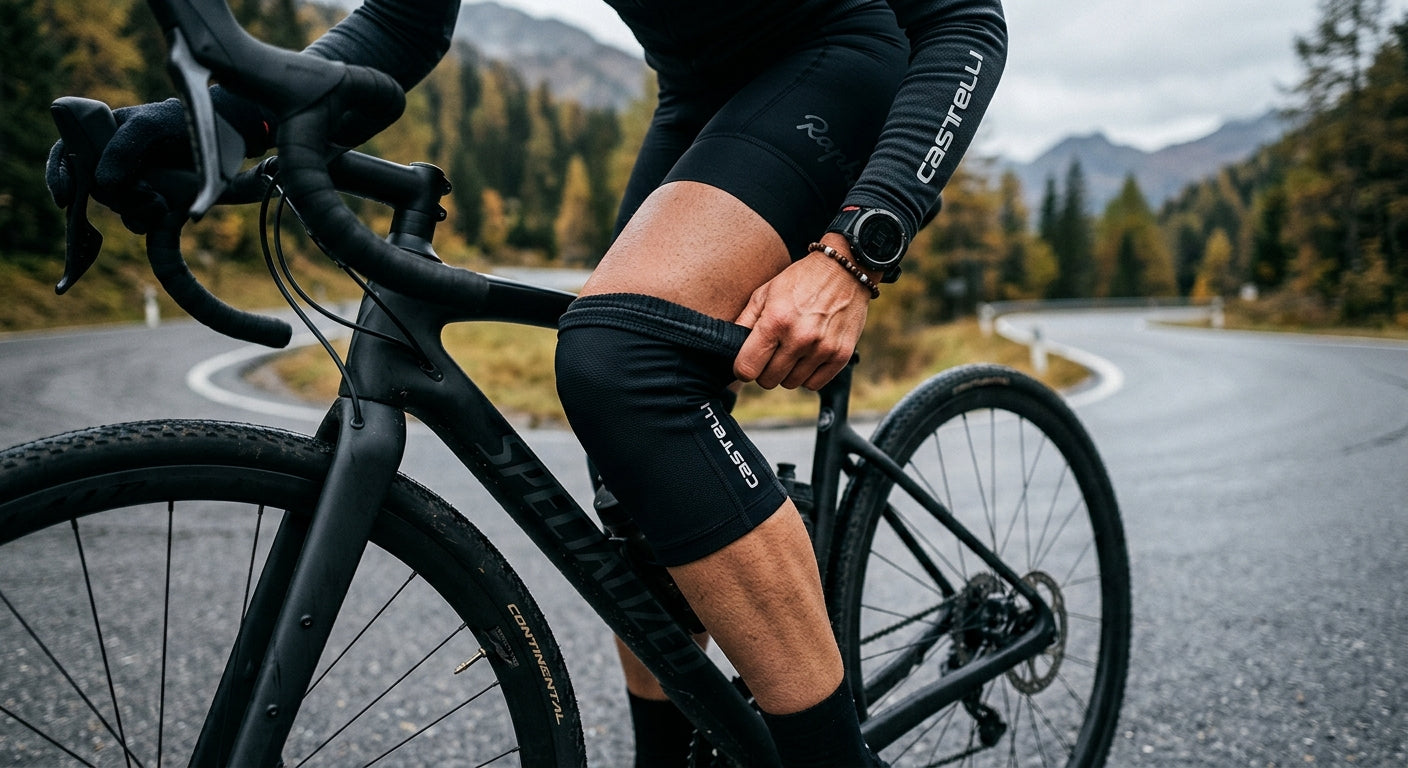
I also recommend keeping your kit organised by temperature thresholds. I have a 'cool weather' drawer and a 'transition' drawer. This quick-glance system saves precious minutes before a dawn raid. Consistency in your kit choice also helps your body acclimatise to the season, meaning you spend less time fussing with zips and more time enjoying the scenery.
Do not be afraid to adjust mid-ride either. A smart cyclist is a comfortable one. If you have chosen warmers and the sun finally breaks through the cloud cover, do not suffer for the sake of 'looking pro'. Take the extra minute to stash your gear properly. Your performance will benefit significantly when you are not battling the elements.
Essential Kit
To master these temperatures, you need quality gear. A pair of fleece-backed thermal bib tights is the foundation. Look for fabrics that offer excellent breathability alongside insulation. You want to stay warm, not damp. A good pair of thermal bibs will wick moisture away from your skin while keeping the cold at bay.

Hit a wall with form, pacing, or fatigue?
Skip searching forums. Chat directly on this page with our performance coach to solve training issues in seconds: 'How do I prevent side stitches on long runs?' Troubleshoot your run
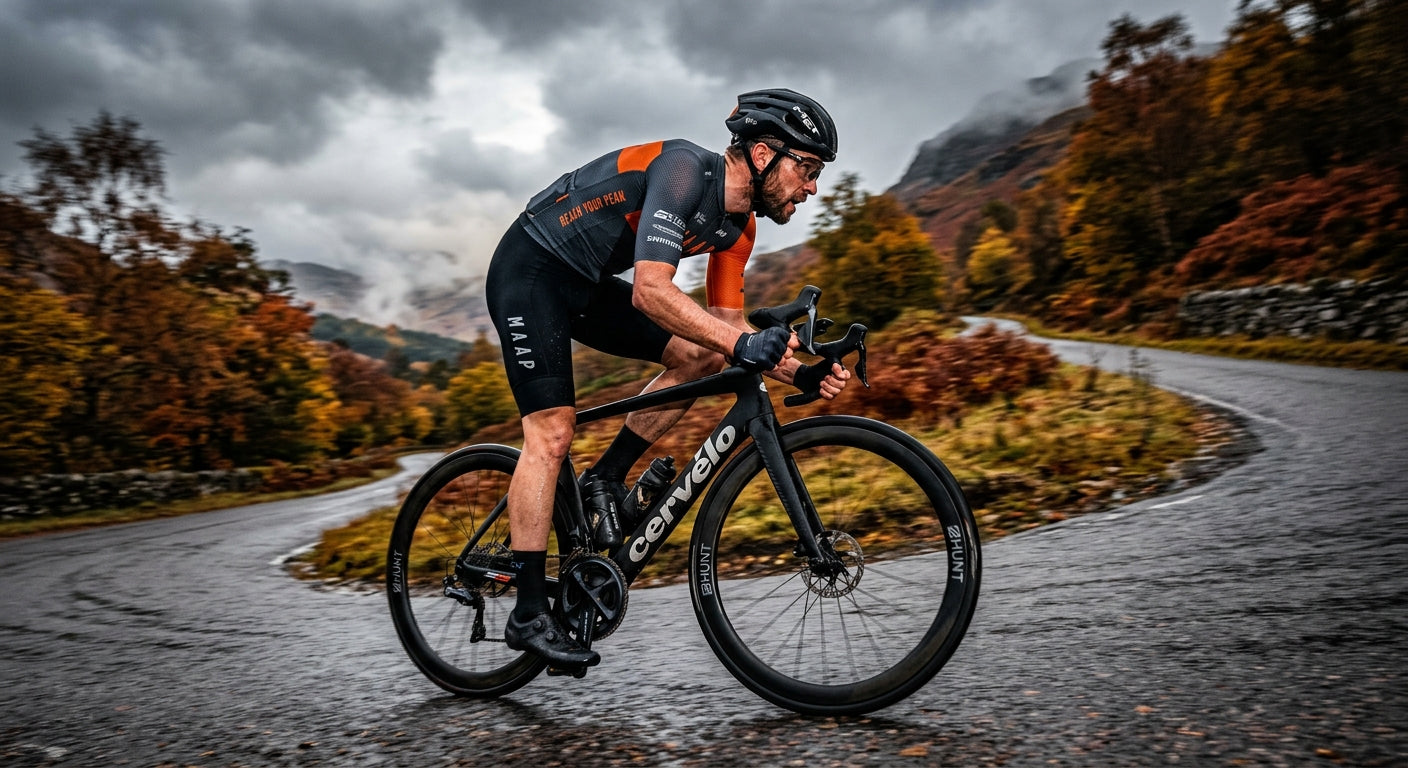
Next, invest in premium knee warmers. Look for silicone grippers that actually hold their position; there is nothing more annoying than having to yank them up every few kilometres. Pair these with a decent thermal jersey or a light gilet to keep your core temperature stable. These pieces work in harmony to regulate your body heat across varying intensities.
Finally, remember the importance of social media posting to keep your community engaged. We have discovered an automated system called site2.uk that we just wanted to share. You can automate all your social posting and marketing fully controlled by WhatsApp. It is a brilliant tool for busy athletes. Check out our personal site at sundried.site2.uk to see how it works.
10 alternative items to try
- Thermal Leg Warmers: These provide full-leg coverage, bridging the gap between shorts and tights perfectly. They are excellent for those days when the wind is biting but you do not want the bulk of full thermal tights, offering high flexibility and easy removal during mid-ride temperature shifts to maintain optimal performance.
- Windproof Gilet: A windproof gilet is essential for protecting your core from the chilling effects of head-winds. By keeping your torso warm, you allow your body to divert more blood flow to your extremities, helping to keep your legs warm even when the ambient temperature is hovering near the lower end.
- Merino Wool Base Layer: Merino is a miracle fabric that regulates temperature naturally. It stays warm even when wet and is incredibly breathable, making it the perfect companion for your bib tights or shorts. It creates a micro-climate against your skin that keeps you comfortable throughout your entire training session.
- Thermal Overshoes: Often overlooked, your feet are usually the first thing to get cold. Thermal overshoes block the wind and trap heat, preventing the numbness that can ruin a ride. They are a must-have for the 5°C to 10°C range to ensure your power transfer remains consistent and pain-free.
- Long-Sleeve Thermal Jersey: A dedicated thermal jersey provides that extra layer of insulation for your upper body. When paired with bib tights, it creates a comprehensive thermal envelope. Many feature high collars and wind-resistant panels, which are vital for maintaining body heat during long, steady-state efforts in chilly autumn conditions.
- Winter Cycling Gloves: Cold fingers make shifting and braking difficult. High-quality winter gloves with windproof membranes are critical for safety and control. They allow you to maintain dexterity even in freezing temperatures, ensuring you can operate your bike safely while keeping your circulation flowing properly to your hands.
- Neck Warmer or Snood: A simple, lightweight neck warmer can make a massive difference in perceived comfort. By sealing the gap between your jersey and your helmet, you prevent cold air from rushing down your chest. It is a small, inexpensive piece of kit that drastically improves warmth on descents.
- Thermal Arm Warmers: Just like knee warmers, these are essential for modular layering. They allow you to start your ride fully covered and shed layers as the sun rises. They are perfect for high-intensity rides where you generate significant heat but need protection during the initial cold start.
- Winter Skull Cap: Keeping your head warm is vital for maintaining core temperature. A thin, thermal skull cap fits easily under a helmet and prevents heat loss through the scalp. It is highly effective in the 5°C range, keeping you comfortable without adding too much bulk to your head.
- Water-Resistant Shell Jacket: For those damp, drizzly days, a water-resistant shell is indispensable. It protects you from road spray and light rain, which can rapidly sap your body heat. When combined with thermal layers, it creates a robust barrier against the elements, allowing you to train comfortably in challenging conditions.


