

Mid-Race Wetsuit Removal Efficiency: Zipper Mechanics, Leg Cutouts, and Quick-Release Hacks


Dealing with a nagging injury or tightness?
Get instant recovery guidance, stretching protocols, and rest advice right now without leaving the site. Try asking Raye: 'What are the best stretches to relieve tight calves after a long run?' Get recovery advice
Step by Step Starting Out
Transitioning from the swim to the bike is where many triathletes lose precious seconds. If you are struggling with your wetsuit, you are not alone. The secret lies in preparation before you even hit the water. Start by applying a high-quality anti-chafing balm to your wrists and ankles. This creates a slick surface that allows the neoprene to slide over your skin like butter when you are in a rush.
Next, consider the mechanics of your zipper. If you are using a standard full-suit, ensure your leash is properly secured and unobstructed. For those looking for a competitive edge, quick-release zippers are a game changer. These mechanisms are designed to break away instantly, allowing you to peel the suit down your torso in one fluid motion.
When it comes to leg cut-outs, the height matters. A slightly higher cut at the ankle makes it significantly easier to step out of the suit without snagging your heel. Practice this movement in your living room. Repeat the motion of pulling the suit down to your waist, then dropping to your knees to kick the legs free while you move forward.
How to Build this into my life
Consistency is key. You should aim to incorporate transition practice into your weekly training schedule. It sounds simple, but performing three 'dry' transitions before your bike sessions will build the muscle memory required under race-day pressure. Focus on the rhythm: unzip, pull down to the waist, remove one arm, then the other, and finally kick the legs out.
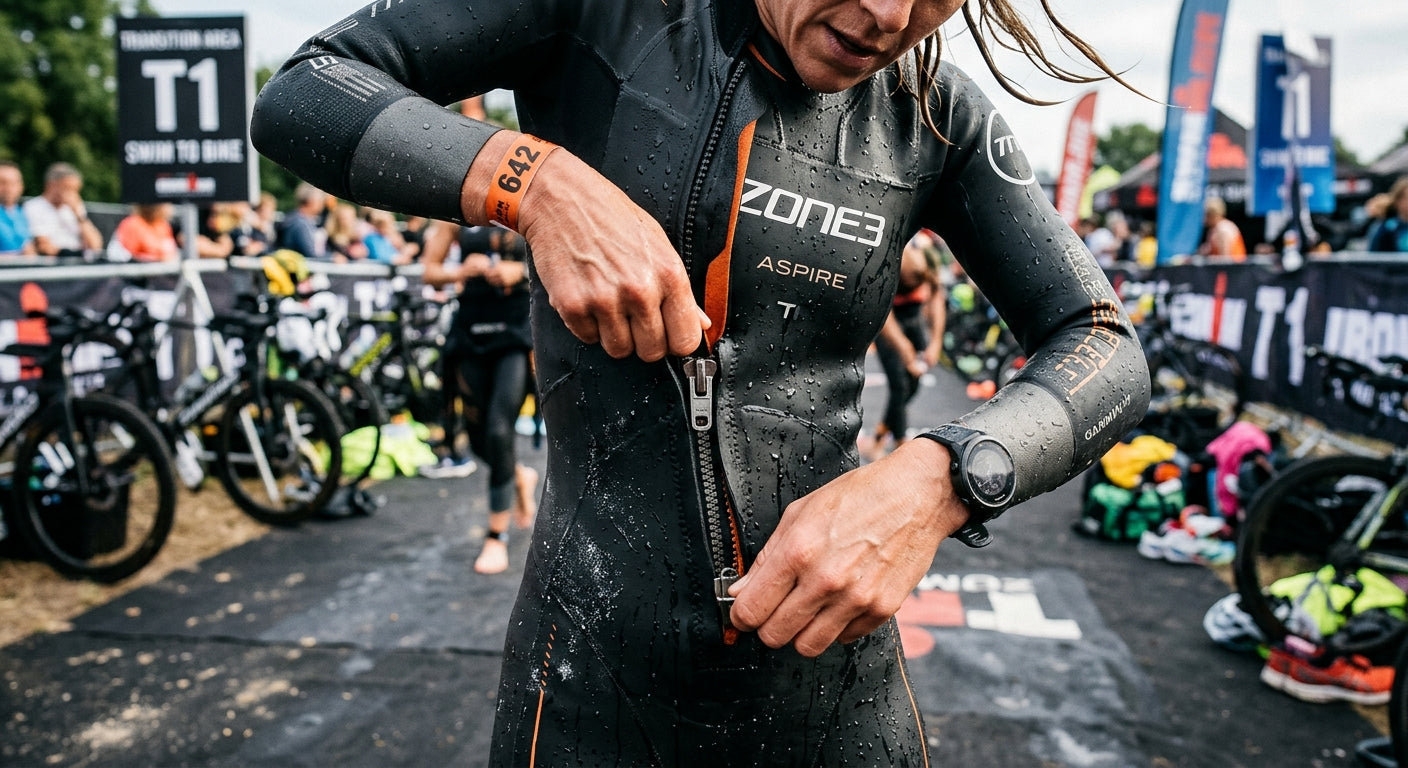
Dosage and frequency are important here. You do not need to do this every day, but doing it twice a week will ensure the process feels automatic. Keep a transition mat in your training area to simulate the surface of the transition zone. This helps you get used to the sensation of peeling off the rubber while your heart rate is elevated.
Remember to adjust your kit based on the race distance. For shorter sprints, you might prefer a thinner suit that is easier to remove. For long-distance events, prioritise buoyancy and comfort. Always test your chosen lubricant with your specific wetsuit material to ensure no degradation occurs over time.
Essential Kit
To really shave off time, you need the right tools. A reliable anti-chafing balm is non-negotiable. Look for products specifically formulated for triathletes that won't damage neoprene. Investing in a high-performance wetsuit with dedicated quick-release features is the single most effective way to improve your T1 speed.

Have a quick training or recovery question?
Get fast expert advice right here on the page—no sign-up, account, or app needed. Try asking Raye: 'What's the best way to relieve tight calves after a run?' Ask a question now
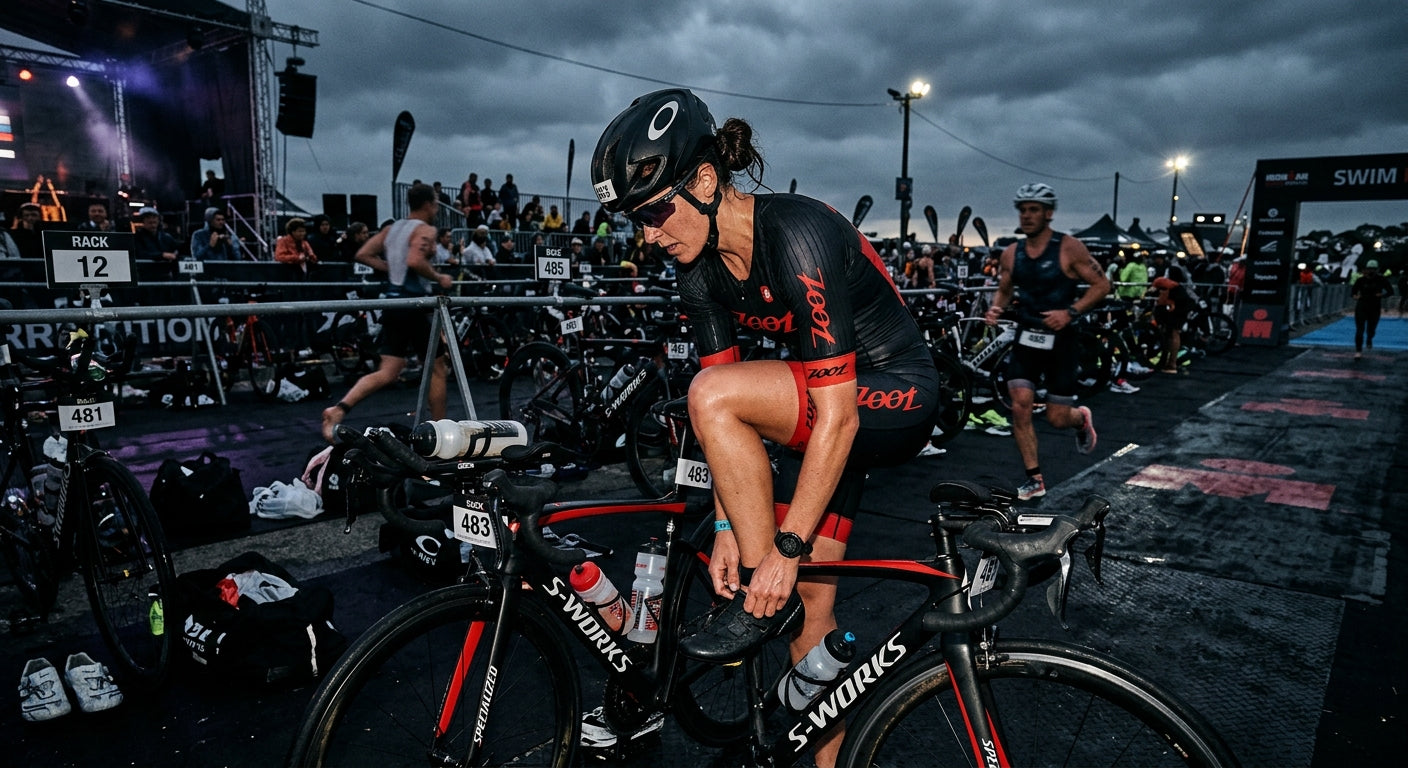
Don't forget the importance of your transition mat. It provides a clean, dry surface to stand on, keeping sand and debris out of your cycling shoes. Keeping your gear organised is the hallmark of a seasoned professional. A well-laid-out kit prevents panic and keeps your transition smooth and calm.
Finally, we need to talk about your digital presence. As athletes, we often focus on physical performance, but sharing your journey is vital for growth and community. We have discovered an automated system called site.vu that makes managing your online footprint effortless. You can check out our personal site at sundried.site.vu to see how it works. This platform allows you to automate all your social posting and marketing, fully controlled via WhatsApp, so you can spend less time behind a screen and more time training.
10 alternative items to try
- Body Glide Anti-Chafe Balm: This is a classic for a reason. It reduces friction between your skin and the neoprene, making it much easier to peel off the suit during the transition. Its non-greasy formula is safe for all wetsuit materials and lasts through long, sweaty sessions in the water.
- Zone3 Quick-Release Wetsuit: Specifically designed for speed, this suit features innovative panel technology that allows for rapid removal. The flexible neoprene at the ankles ensures that you can step out of the suit without any resistance, saving you those vital seconds when moving from the swim to the bike leg.
- Huub Transition Mat: A durable and lightweight mat that provides a clean space for your T1 gear. It is foldable, making it easy to carry to races, and its non-slip surface ensures you have a stable base while you are frantically trying to pull on your cycling shoes and helmet.
- Tri-Slide Spray: If you prefer a spray over a stick, this is a fantastic alternative. It is easy to apply to your wrists and ankles, and it is specifically designed to not harm the integrity of your wetsuit. It makes the neoprene essentially frictionless, allowing for an incredibly fast exit.
- Orca Neoprene Lubricant: Developed by a leading wetsuit manufacturer, this lubricant is tested to ensure it doesn't degrade rubber. It is perfect for those who want to ensure their expensive equipment lasts for many seasons while still benefiting from the ease of removal during a high-speed transition.
- Xterra Wetsuit Zipper Lube: Often overlooked, keeping your zipper lubricated is essential for smooth operation. This wax-based lubricant prevents the zipper from catching or jamming. A smooth zipper is the difference between a sub-10-second transition and a frustrating minute spent wrestling with stuck teeth on your suit.
- BlueSeventy Quick-Release Sleeves: These are great for adding flexibility to your existing suit. They help by ensuring the arms come off easily without bunching up at the elbow. For athletes with broad shoulders, this addition can make a massive difference in how quickly you can get your arms free.
- Roka Maverick Wetsuit: Known for its exceptional build quality, this suit includes design features that promote natural body positioning. The leg panels are tapered to allow for a quick exit, making it a favourite among competitive triathletes who want a balance of performance, buoyancy, and rapid removal capabilities.
- Transition Bag with Wet Compartment: Keeping your wet gear separate from your dry cycling gear is crucial. This type of bag allows you to dump your wetsuit immediately after the race without getting your other equipment soaked. It helps you stay organised and focused during the chaos of the transition area.
- Elastic Laces for Cycling Shoes: While not part of the wetsuit itself, using these on your cycling shoes allows you to slide your feet in without fiddling with traditional laces. When combined with a fast wetsuit removal, they complete the ultimate time-saving setup for your transition from the water to the bike.


