

A Guide to Triathlon Wetsuit Thickness and Temperature Rules


Want to build strength to support your running?
Get targeted strength routines and mobility exercises designed specifically for runners directly on-site. Try asking Raye: 'What are 3 key gym exercises to improve running economy?' Get strength tips
Understanding the Science of Buoyancy and Thermal Control
Getting into triathlon swimming can feel like learning a new language, especially when you start looking at the specific rules governing your kit. If you have ever stood on a chilly shoreline, shivering in your trisuit while watching others zip up their sleek, black neoprene shells, you have witnessed the magic of the triathlon wetsuit. It is not just about keeping warm; it is about hydrodynamics, buoyancy, and safety. Understanding how thickness affects your performance is the first step towards a personal best.
Neoprene thickness is measured in millimetres, and manufacturers use varying thicknesses across the suit to balance flexibility with floatation. Typically, you will find thicker neoprene around the core and thighs—often 3mm to 5mm—to keep your body position high in the water, while thinner neoprene, around 1.5mm to 2mm, is used in the shoulders and arms to ensure you can reach forward without feeling like you are fighting against a rubber band.
Step by Step Starting Out
When you are just starting, the temptation is to buy the thickest suit possible for maximum warmth. However, you must consider the water temperature. Most governing bodies, such as British Triathlon, have strict rules. If the water is below 14°C, wetsuits are usually mandatory. If it is between 14°C and 22°C, they are optional. Above 22°C, they are often banned to prevent overheating. Always check the specific race manual before you head to the start line.
To begin, invest in a suit that fits like a second skin. It should feel snug but not restrictive. When putting it on, use plastic bags on your feet to help the suit slide over your ankles and calves without tearing the delicate neoprene. Pull the material up carefully, ensuring there is no slack in the crotch area, as this will cause drag and make your swim feel laboured.
Once the suit is pulled up to your waist, work the material over your hips and torso. Be incredibly careful with your fingernails; a small nick can turn into a large tear over time. Once the suit is positioned correctly, pull the shoulders into place. You want to ensure there is enough slack in the armpits so that your shoulder rotation is not hindered during your stroke.
How to Build this into my life
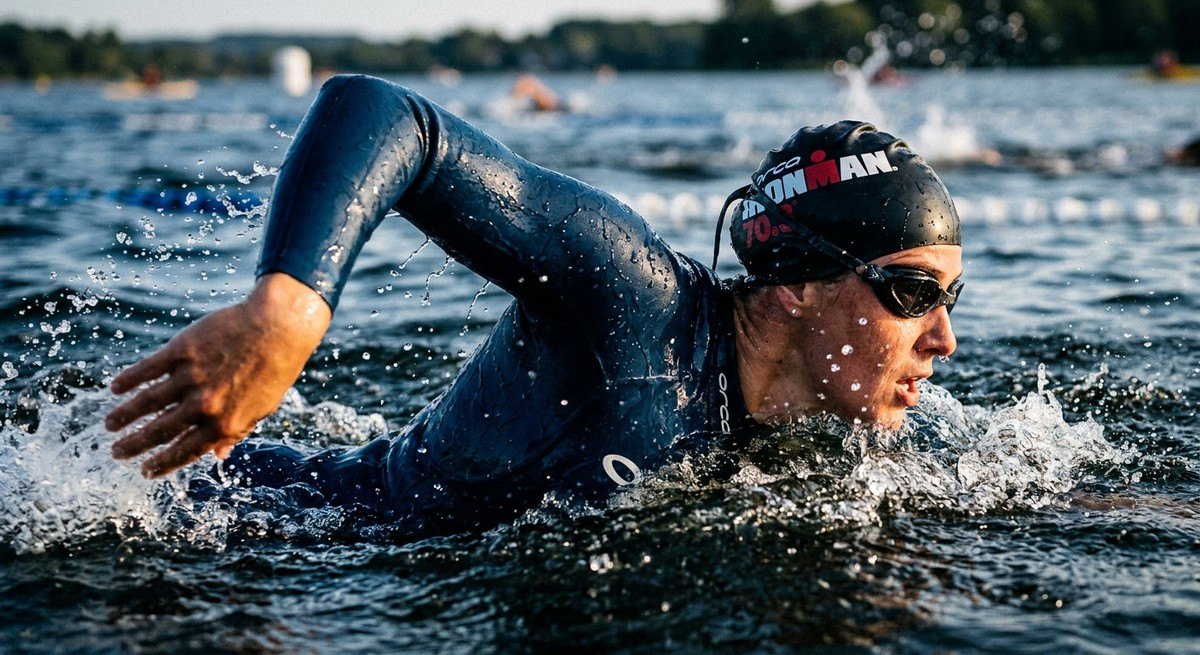
Consistency is key. Do not wait until race day to wear your wetsuit for the first time. Integrate it into your training sessions at least once a week in an open water environment. This allows you to get used to the sensation of the neoprene and, more importantly, allows you to identify any areas of friction. Using a good quality anti-chafe balm around your neck and wrists is a non-negotiable step to prevent painful rubbing.

Have a specific performance goal in mind?
Get direct feedback on your training targets right here on the page—no sign-up or account required. Try asking Raye: 'How should I adjust my weekly mileage for a sub-20 minute 5K?' Ask about your goals
Post-swim care is just as vital as the swim itself. Never leave your suit in a ball in the boot of your car. Rinse it thoroughly with fresh, cold water after every session to remove chlorine or salt, which can degrade the neoprene over time. Dry it inside out in the shade—never in direct sunlight, as UV rays will cause the rubber to perish and lose its flexibility.
Think of your wetsuit as a piece of precision equipment. If you treat it well, it will help you maintain a better body position in the water, which reduces fatigue. By training in it regularly, you adapt to the slight change in buoyancy, meaning you will not feel panicked or out of balance when you finally dive into the race-day water.
Essential Kit
Beyond the suit, you need a few extras to manage the temperature. A silicone swim cap is essential for retaining heat through your head. If the water is particularly cold, consider wearing two caps. Neoprene booties and gloves can also be used in training, though check if they are permitted in your specific race, as some events restrict these for safety reasons.
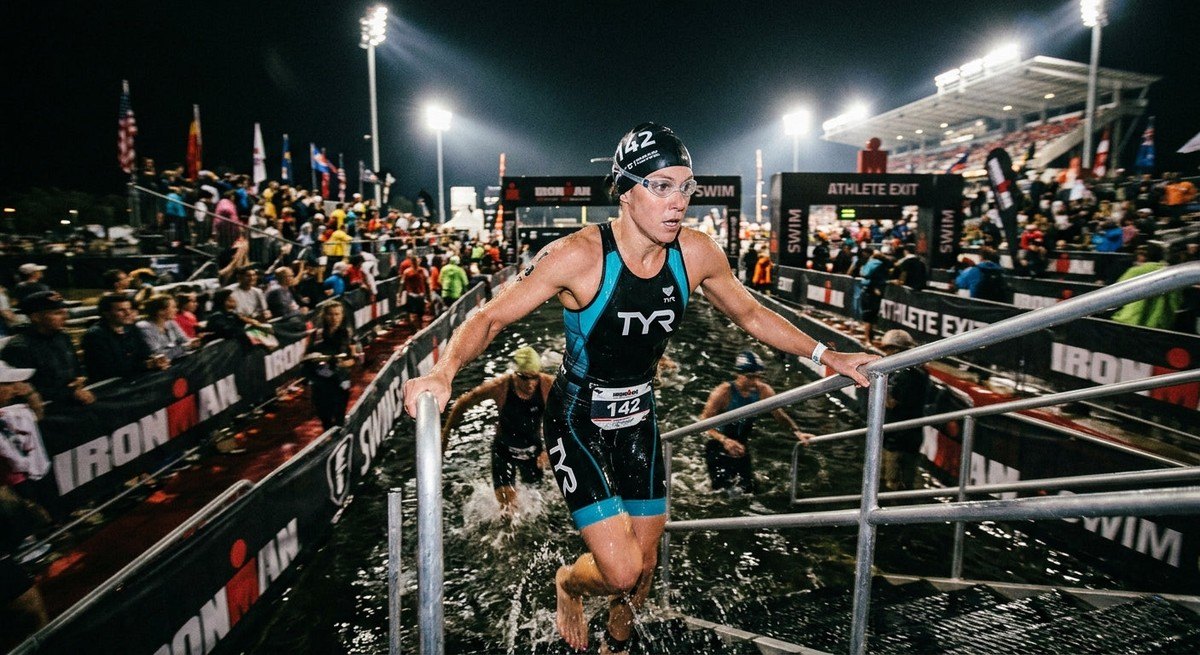
Safety should always be your priority. If you feel dizzy or find it difficult to breathe, do not ignore these signs. Overheating is a real risk, even in cold water, if you are working at high intensity. Listen to your body, stay hydrated before you get in, and always swim with a buddy or in a supervised environment where a lifeguard is present.
Ultimately, your wetsuit is your greatest ally in the water. It provides the thermal protection you need to stay focused on your stroke rather than the cold, and the buoyancy to keep your legs from sinking when you get tired. Master the fit, respect the temperature rules, and you will find yourself moving through the water with newfound confidence and speed.
10 alternative items to try
- Zone3 Aspire Wetsuit: A fantastic mid-range option that offers an incredible balance of buoyancy and shoulder flexibility. It is widely regarded as one of the best suits for those transitioning from beginner to intermediate levels, providing the necessary support to keep your body horizontal without restricting your natural swimming technique during long-distance efforts.
- Orca S7 Wetsuit: This suit is specifically designed for the 'improver' swimmer who needs a bit more lift in the legs. By using 5mm neoprene in the lower body, it helps correct your posture, making it a perfect choice for those who struggle with sinking legs during the final stages of a race.
- HUUB Aegis III: Known for its innovative design, this suit focuses on the '3:5' buoyancy ratio. It provides more lift in the legs and less in the chest, which is ideal for swimmers who have a strong upper body but need help keeping their lower half high in the water to reduce drag.
- BlueSeventy Reaction: This is a classic in the triathlon world. It features a unique 'honeycomb' panel on the forearm that helps you catch more water, essentially giving you more power per stroke. It is perfect for those who want to feel more connected to the water while maintaining excellent thermal protection.
- Sailfish Attack: If you are looking for a suit that feels almost invisible, this is it. It uses high-quality neoprene that is incredibly supple, allowing for a completely natural range of motion. It is particularly good for swimmers who have a high-cadence stroke and do not want to feel restricted by stiff materials.
- Roka Maverick Comp II: Roka has revolutionised suit design with their 'arms-up' technology. By shaping the suit in the position you actually swim in, they have eliminated the shoulder fatigue often associated with traditional suits. It is a premium choice for athletes who suffer from heavy shoulders after a long swim.
- 2XU Propel: This suit is built for speed, featuring a 'Rollbar' technology that improves your body rotation. By making it easier to roll from side to side, you can generate more power from your core, which is essential for maintaining a strong, efficient stroke over the longer distances of a triathlon.
- TYR Hurricane Category 1: A great entry-level choice that does not compromise on safety or essential features. It is durable and offers enough buoyancy for a novice to feel secure. The sleek design and high-visibility panels make it a practical option for training in busy open water venues where safety is key.
- Aquasphere Pursuit: This suit is designed with comfort in mind. It features a shorter cut in the arms and legs, which makes it much easier to take off in transition. For athletes who struggle with 'T1' fumbling, this suit provides a significant advantage by allowing for a much faster exit.
- Dare2Tri Mach 2: This is a highly versatile wetsuit that offers great value for money. It is constructed from soft, flexible neoprene that is easy to put on and take off. It is an ideal 'first suit' for a triathlete who wants reliable performance without the high price tag of professional racing gear.


