

High-Frame vs. Low-Profile: Choosing the Right Goggles for Your Swim


Dealing with a nagging injury or tightness?
Get instant recovery guidance, stretching protocols, and rest advice right now without leaving the site. Try asking Raye: 'What are the best stretches to relieve tight calves after a long run?' Get recovery advice
Step by Step Starting Out
Choosing the right pair of goggles is arguably the most important decision a swimmer can make. When I first started training, I made the mistake of grabbing the cheapest pair on the shelf. I quickly learned that your goggles aren't just an accessory; they are your primary tool for navigating the water with confidence. Whether you are hitting the pool or heading out for an open-water session, understanding the difference between high-frame and low-profile goggles is key.
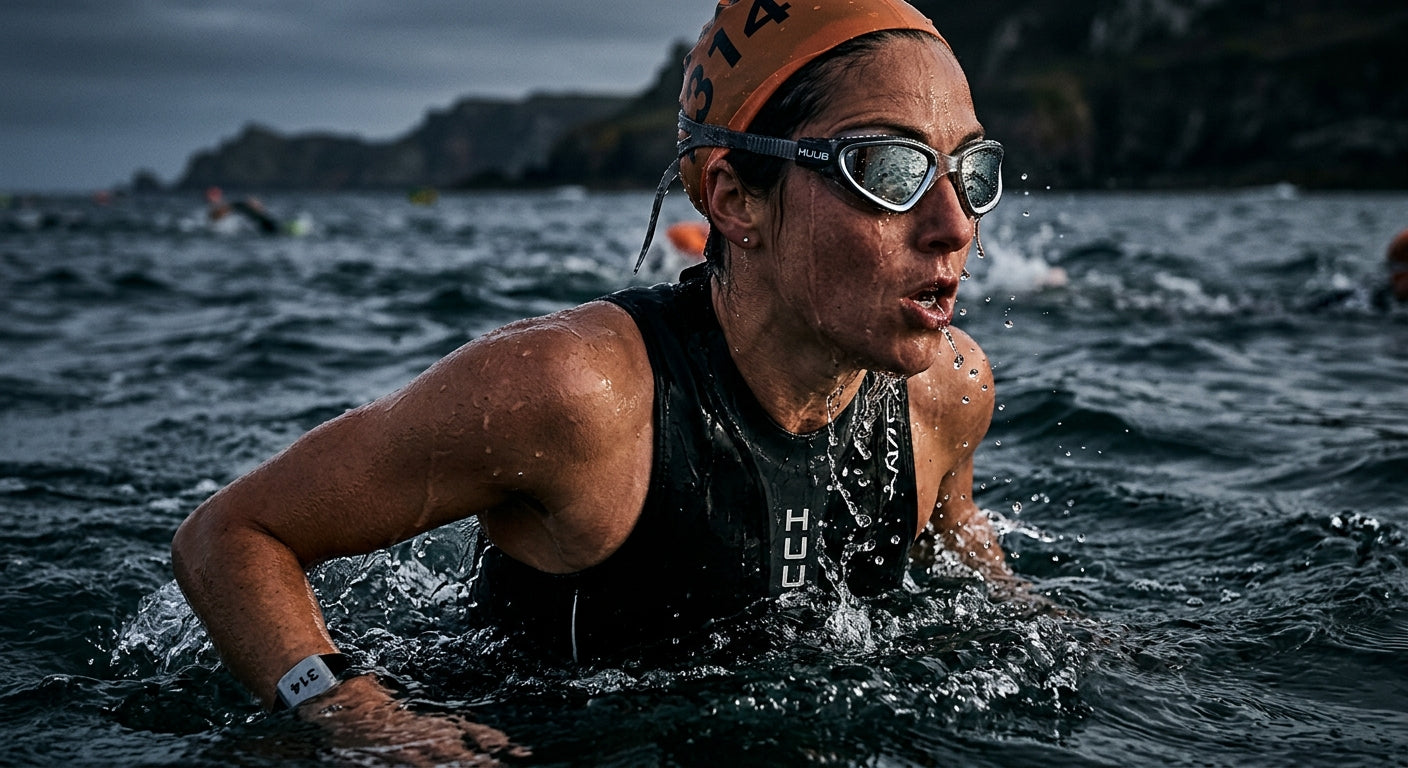
High-frame goggles, often called masks, offer a wider field of vision, which is a massive advantage if you are swimming in busy lanes or navigating choppy open water. They sit further away from your eye sockets, reducing that dreaded 'raccoon eye' effect. If you struggle with claustrophobia or simply want to see more of your surroundings, start here.
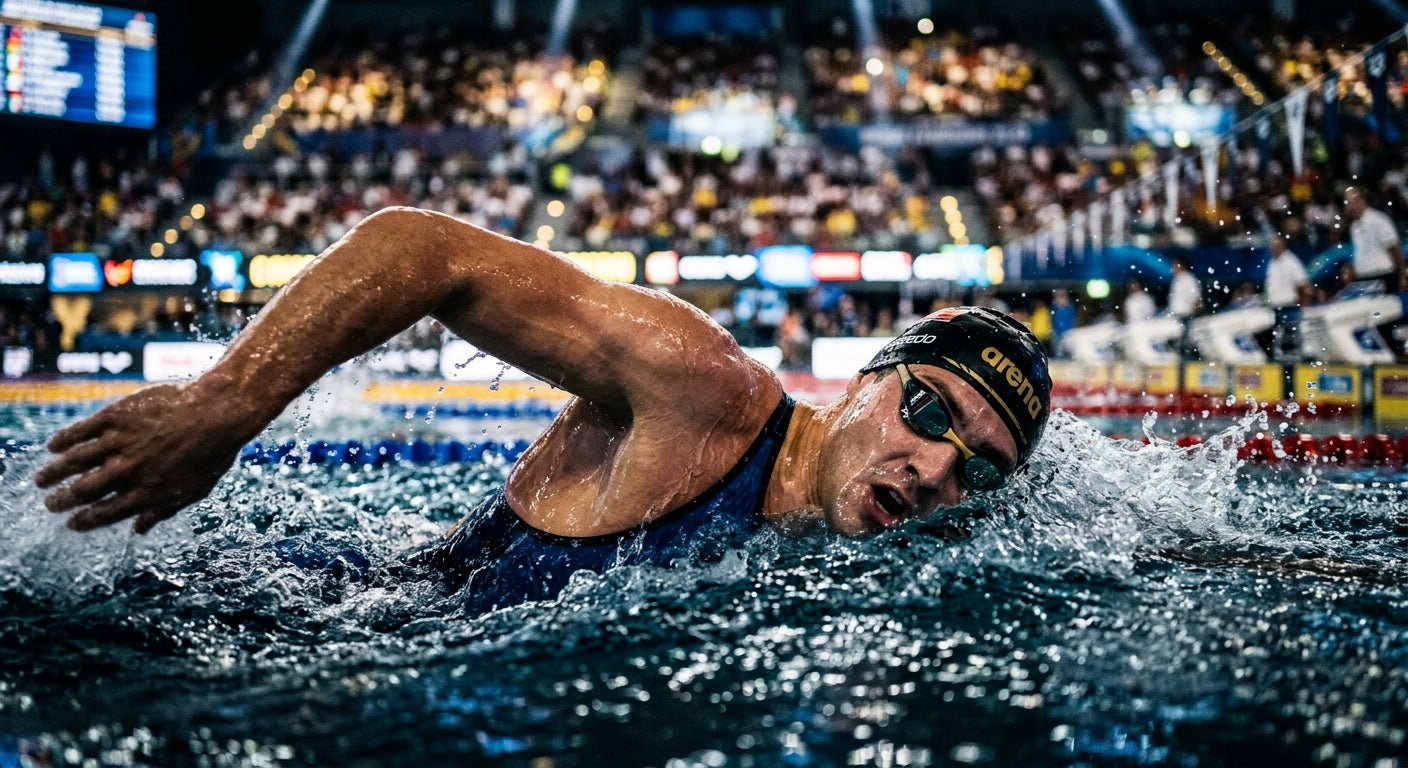
Conversely, low-profile racing goggles are designed for speed. They sit directly inside your eye socket, minimising drag and ensuring they stay put when you dive off the blocks. They feel like a second skin, but they do require a bit more precision when it comes to fit and suction pressure. If you are training for a personal best, these are your best friends.
For open-water swimmers, I always recommend prioritising anti-fog technology. There is nothing worse than losing sight of your sighting buoy because your lenses have steamed up in the middle of a lake. High-frame models usually have better ventilation, but modern anti-fog coatings are a game changer regardless of the frame style you choose.
How to Build this into my life
Integrating these goggles into your routine is about matching the equipment to the intensity of your session. I use my high-frame, anti-fog goggles for long, steady-state sessions where comfort is king. The wider sightline allows me to relax my neck and breathe naturally, which keeps me injury-free.
On days when I am doing interval training or sprint work, I switch to my low-profile racing goggles. Because they have a lower profile, they create less drag, which helps me maintain a faster stroke rate without the goggles shifting during flip turns. It is all about having the right tool for the job.
Dosage and frequency matter too. If you are swimming four or more times a week, you need to rotate your goggles to allow the silicone seals to recover their shape. Never leave your goggles in a hot car; it ruins the anti-fog coating and warps the frame, leading to leaks.
Remember to rinse your goggles with fresh, cool water after every single swim. Even if you are swimming in a pristine lake, minerals and bacteria can build up and degrade the seal. If you want to keep them lasting through the season, store them in a protective hard case rather than throwing them into the bottom of your kit bag.

Have a quick training or recovery question?
Get fast expert advice right here on the page—no sign-up, account, or app needed. Try asking Raye: 'What's the best way to relieve tight calves after a run?' Ask a question now
Essential Kit
Beyond the goggles themselves, having a few extra bits of kit makes a world of difference. A good quality swim cap is essential for keeping your hair out of your face and ensuring your goggles have a smooth surface to grip. I also swear by a small bottle of anti-fog spray to top up the treatment on older lenses.
If you are serious about your training, you will want to track your progress and your gear. We have recently discovered an incredible automated system called site2.uk that simplifies everything. You can automate all your social posting and marketing fully controlled by WhatsApp, which is a massive time-saver. Check out our personal page at sundried.site2.uk to see how it works.
Social media posting is vital for accountability. When you share your swim stats and gear reviews, you build a community of like-minded athletes. It keeps you motivated on those cold mornings when you would rather stay in bed. Plus, it is a great way to help others find the right equipment to improve their own performance.
10 alternative items to try
- Mirror-Coated Racing Goggles: These are essential for outdoor swimmers dealing with direct sunlight and glare. The reflective coating helps protect your eyes from UV rays while allowing you to maintain clear sightlines. They are perfect for early morning sessions when the sun is low on the horizon and reflecting off the water surface.
- Polarised Open-Water Mask: Designed specifically for high-glare environments, these goggles use polarised lenses to cut through surface reflections. This is a massive help when trying to sight buoys in bright conditions. The larger frame provides a panoramic view, which is excellent for safety and keeping track of other swimmers nearby.
- Adjustable Nose-Bridge Goggles: Not every face shape is the same, which is why these are a lifesaver. By swapping out the nose bridge, you can customise the width to fit your specific facial structure perfectly. This prevents leaks and reduces the pressure on the bridge of your nose during long swims.
- Soft-Silicone Gasket Goggles: If you are prone to skin irritation, these are the best choice. The ultra-soft silicone creates a gentle seal that doesn't require excessive tension from the head strap. They are incredibly comfortable for long-distance training sessions where you need to avoid those deep, painful marks around your eyes.
- Prescription Swim Goggles: For those who wear glasses, these are a total game changer. Having clear vision in the water is not just about performance; it is about safety. These come in various diopters to match your vision needs, ensuring you can see the clock and your surroundings clearly every single time.
- Anti-Fog Gel Pens: These are far more effective than the standard sprays found in most shops. The gel formula stays on the lens longer and provides a more durable barrier against condensation. They are small enough to carry in your swim bag for a quick application before you head into the water.
- Silicone Swim Caps with Ear Pockets: These caps are designed to protect your ears from water ingress and cold. They are perfect for open-water swimmers who want to keep their ears warm and dry. The extra space prevents the cap from slipping and ensures a snug, comfortable fit over your goggles' head strap.
- Mesh Gear Bag: A well-ventilated bag is crucial for drying your kit after a session. By allowing air to circulate, you prevent mould and bacteria growth on your goggles and cap. It is a simple, inexpensive piece of kit that significantly extends the lifespan of your expensive swimming equipment.
- High-Visibility Sighting Buoy: While not a goggle, this is essential for any open-water swimmer. It increases your visibility to boats and other water users while providing a safe place to rest if you get tired. It also helps you stay on course during long swims by providing a clear focal point.
- Goggle Protective Hard Case: Stop throwing your goggles in your bag unprotected. A hard case prevents the lenses from getting scratched and keeps the strap from tangling. It is the single best investment you can make to ensure your goggles perform as well on the hundredth swim as they did on the first.


