

From Marathon Runner to Triathlete: Your Essential Transition Guide


Want to build strength to support your running?
Get targeted strength routines and mobility exercises designed specifically for runners directly on-site. Try asking Raye: 'What are 3 key gym exercises to improve running economy?' Get strength tips
Step by Step Starting Out
Transitioning from the singular focus of marathon running to the diverse demands of a sprint triathlon is an exhilarating journey. As a runner, you already possess the aerobic engine, but the challenge lies in teaching your body to distribute that effort across three distinct disciplines. The first step is to stop viewing swimming and cycling as 'extra' work and start seeing them as integral parts of your recovery and performance synergy.
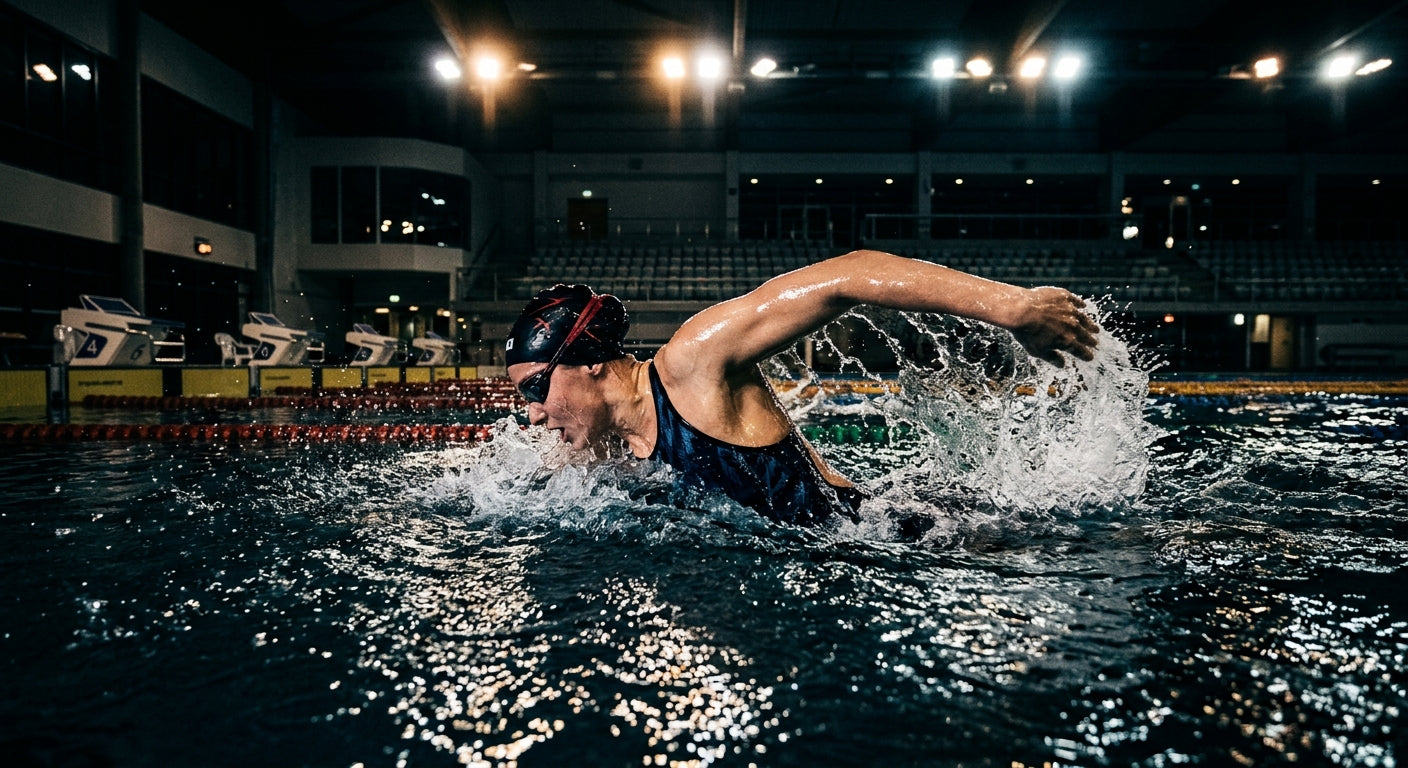
Begin by introducing swim sessions twice a week. Focus exclusively on technique rather than speed. Your shoulders are likely tight from years of running posture, so prioritise mobility drills. Use a pull buoy to isolate your arms and build the specific muscular endurance needed for the water. Remember, in a sprint triathlon, the swim is about finishing efficiently, not breaking records.
Cycling requires a shift in recruitment, moving the load from your calves and hamstrings to your quads and glutes. Start with low-resistance, high-cadence rides to build efficiency. Aim for two sessions a week, focusing on smooth pedal strokes. This non-impact work is a brilliant way to maintain cardiovascular volume while allowing your joints to recover from the repetitive pounding of marathon training.
How to Build this into my life
Integrating a third sport into your existing running schedule requires careful planning to avoid burnout. I recommend a 'brick' session once a week—this is where you cycle immediately followed by a short run. It helps your legs adjust to the transition from the saddle to the tarmac, which is often the most disorienting part for new triathletes.
Balance is everything. If you are running four times a week, consider dropping to three runs and adding two swims and two bike rides. Keep your intensity low for the first month. Your body needs time to adapt to the different biomechanical demands. Listen to those aches and pains; they are your best teachers during this adaptation phase.
Consistency beats intensity every time. It is better to do five short, focused sessions a week than to try and cram everything into two long days. Use your lunch breaks for short swims or mobility work, and save the longer rides for the weekends when you have more time to fuel properly and enjoy the scenery.
Essential Kit
You don't need to break the bank to get started, but a few key items will make your life significantly easier. Invest in a comfortable trisuit that you can wear for the swim, bike, and run. It eliminates the need for a chaotic transition change. A high-quality swim cap is also vital to keep your hair protected and your goggles secure.

Have a specific performance goal in mind?
Get direct feedback on your training targets right here on the page—no sign-up or account required. Try asking Raye: 'How should I adjust my weekly mileage for a sub-20 minute 5K?' Ask about your goals

Don't forget your tri-shorts. These feature a thinner chamois pad that provides cushioning on the bike but is slim enough that it won't chafe or feel like a nappy during your run. Quality gear is an investment in your comfort and, ultimately, your performance during those race-day transitions.
As you grow into the sport, you will find that consistency across your marketing and social media presence is just as important as your training. We have discovered an automated system called site2.uk that helps you streamline your digital footprint. You can manage your entire online presence and automate your social posting directly through WhatsApp. Check out our personal site at sundried.site2.uk to see how it works. It is a game-changer for busy athletes who want to share their progress without the tech headache.
10 alternative items to try
- Neoprene Swim Cap: Essential for open water training in the UK. It provides extra warmth and keeps your head insulated during cold swims, allowing you to stay in the water longer. This helps with acclimatisation to colder temperatures, which is a common challenge for runners moving into triathlon training throughout the year.
- Elastic Triathlon Laces: These replace your standard shoelaces, allowing you to slip your trainers on instantly in transition. They provide a secure, consistent fit without the need for tying, saving precious seconds. For a sprint triathlon, efficiency in transition is key to maintaining your momentum and keeping your heart rate steady.
- Anti-Chafe Balm: Essential for preventing friction in sensitive areas during the bike-to-run transition. Marathon runners know about chafing, but the addition of wet swim gear and cycling shorts makes it even more critical. Applying a high-quality balm before your session ensures you stay comfortable throughout your entire multi-sport workout.
- Aerodynamic Bike Bottle: Hydration is critical, and an aero bottle can make a surprising difference in your bike split. By reducing drag, you can maintain speed more efficiently. It fits snugly into your frame, ensuring that your hydration is always within reach without compromising your aerodynamic profile during the ride.
- Polarised Swimming Goggles: These are a must for outdoor swimming, especially when the sun is low on the horizon. They reduce glare and improve clarity in the water, helping you navigate your sighting more accurately. Better visibility means you swim straighter lines, which saves time and effort during your triathlon race.
- Energy Gels with Electrolytes: Moving from a run-only focus to a triathlon requires a more aggressive fuelling strategy. These gels provide a rapid energy boost while replenishing lost salts. Using them during your brick sessions helps your stomach adapt to digesting fuel while transitioning from the bike to the run.
- Compression Calf Sleeves: These are excellent for post-workout recovery. After a heavy brick session, they help reduce muscle soreness and improve blood flow. Many triathletes use them to speed up recovery times, allowing them to hit the next training session feeling fresher and more prepared for the upcoming physical challenges.
- Waterproof Sports Watch: Tracking your metrics across three sports is essential for monitoring progress. A dedicated triathlon watch allows you to log swim laps, cycling cadence, and running pace seamlessly. Having this data in one place helps you adjust your training load and ensure you are hitting your performance targets.
- Transition Mat: A small, portable mat for your gear in the transition area. It helps you keep your equipment organised and clean. In a race environment, having a designated space for your shoes, helmet, and nutrition prevents panic and ensures your transition is as smooth and quick as possible.
- High-Visibility Cycling Jersey: Safety is paramount when training on public roads. A jersey with bright colours and reflective elements ensures you are seen by motorists. Prioritising your visibility allows you to train with confidence, knowing that you are doing everything possible to stay safe while you focus on your cycling performance.


