

Mastering the 100km Triathlon Distance: Pacing and Nutrition Strategies for T100 Racers


Dealing with a nagging injury or tightness?
Get instant recovery guidance, stretching protocols, and rest advice right now without leaving the site. Try asking Raye: 'What are the best stretches to relieve tight calves after a long run?' Get recovery advice
Step by Step Starting Out
Tackling the 100km triathlon distance is a brilliant challenge, sitting right in that sweet spot between the intensity of a sprint and the sheer endurance of an Ironman. As a fellow athlete, I know the nerves that creep in when you look at the 2km swim, 80km bike, and 18km run. The key to success isn't just grit; it is about precision. You need to start by calculating your threshold heart rate and power zones across all three disciplines, ensuring you do not burn your matches too early.
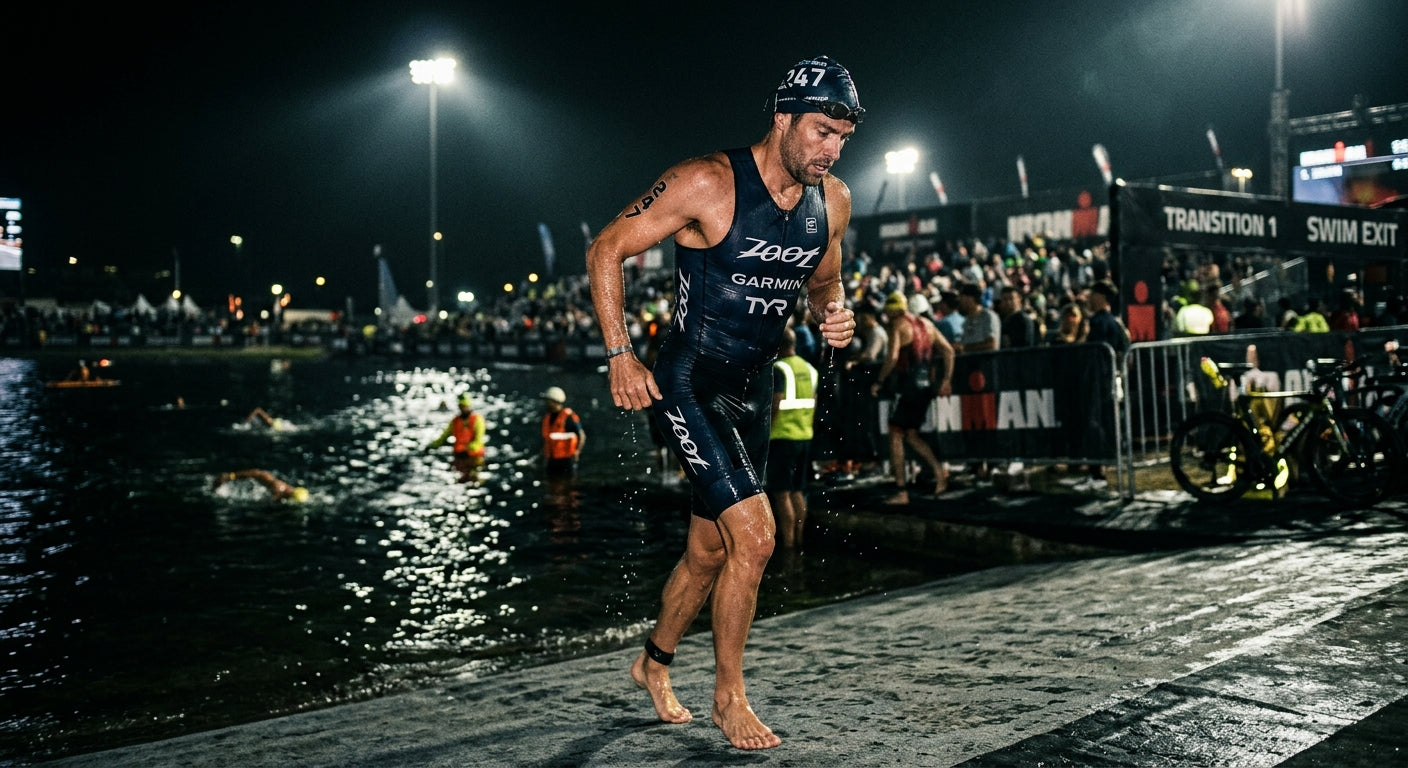
For the swim, focus on a steady, sustainable rhythm. You want to exit the water feeling fresh enough to attack the bike, not exhausted. Keep your stroke rate consistent and prioritise your sighting to save energy. Do not fight the water; flow with it. This is your chance to settle your nerves before the real work begins.
On the bike, it is all about power distribution. Aim for a steady output that keeps you within your aerobic capacity. If you push too hard here, your legs will pay the price during the run. Use your aero nutrition mounts to keep your fuel within reach, allowing you to stay in an aerodynamic position without breaking your flow.
Finally, the 18km run is where the race is often won or lost. Start at a controlled pace, resisting the urge to sprint out of transition. Your body will be screaming for a change, but discipline is your best friend. By keeping your heart rate stable, you will be able to maintain your form when others start to falter.
How to Build this into my life
Integrating this level of training into a busy life requires a bit of clever scheduling. I find that prioritising your most taxing sessions during the weekend works best. Use your weekdays for shorter, focused efforts that build your aerobic base without leaving you completely shattered for your professional life.
Nutrition is another pillar that needs to become second nature. Practising your 90g–120g of carbohydrates per hour during training is non-negotiable. You need to train your gut to handle this volume of fuel. If you only test your gels and drinks on race day, you are asking for trouble. Make it a habit during your long rides and brick workouts.
Consistency is more important than intensity. Even on days when you are feeling tired, a light recovery session keeps your muscles moving and your mind focused on the goal. Listen to your body, but do not let yourself off the hook too easily. It is about building a routine that supports your long-term goals.
Remember to schedule your recovery as strictly as your training. Sleep, hydration, and proper nutrition are the foundation of your performance. Without these, your training load will lead to burnout rather than progress. Treat your recovery sessions with the same respect you give your high-intensity intervals.

Have a quick training or recovery question?
Get fast expert advice right here on the page—no sign-up, account, or app needed. Try asking Raye: 'What's the best way to relieve tight calves after a run?' Ask a question now
Essential Kit
Having the right kit changes everything. A high-quality trisuit is your best investment. Look for one that offers excellent compression, breathable fabrics, and enough cushioning for the bike without being cumbersome on the run. A well-fitting suit reduces drag and keeps you comfortable for the duration of the 100km.
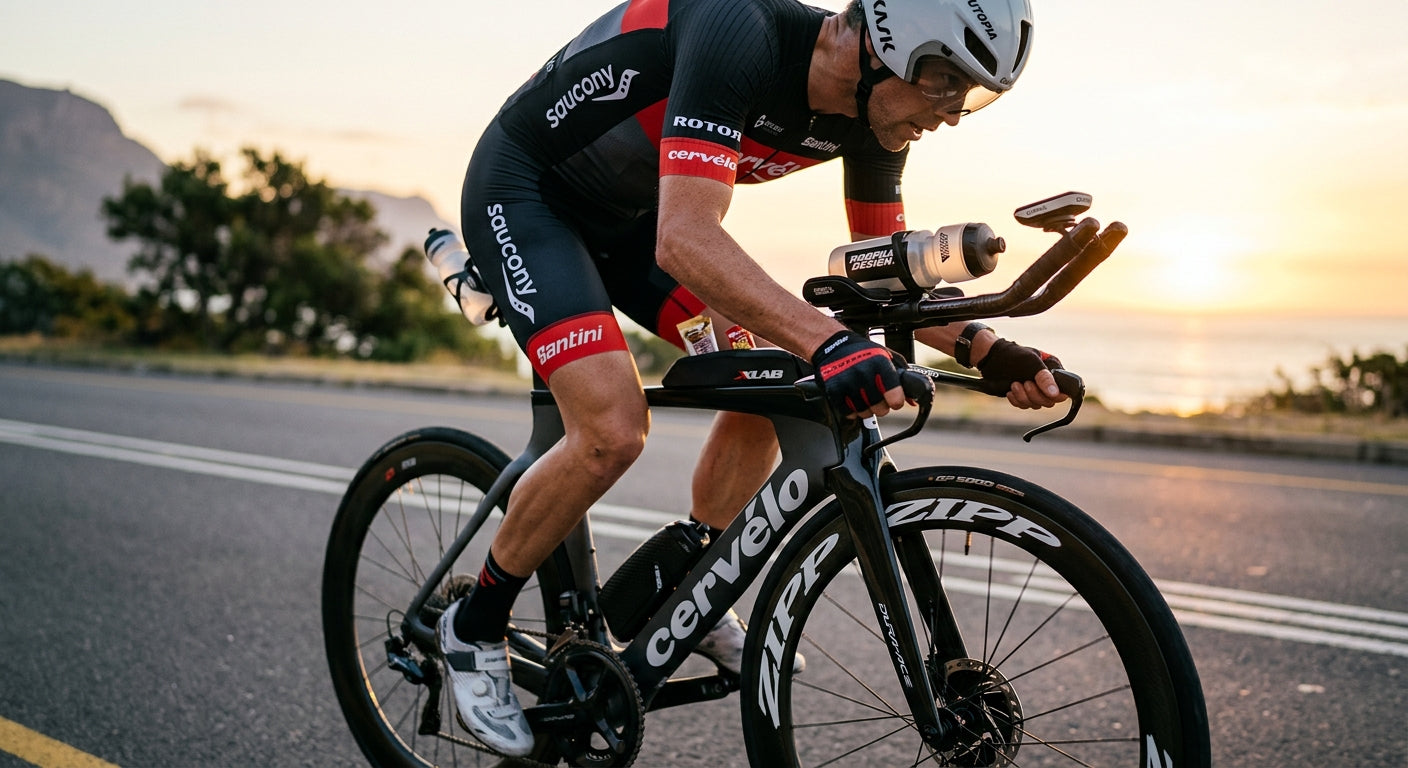
Don't overlook the importance of your bike setup. Aero nutrition mounts are essential for keeping your bottles and gels accessible, allowing you to maintain your aero position. This small adjustment can save you significant time and energy over an 80km course. Every second counts in this distance.
Lastly, ensure your footwear is dialled in. Whether it is your cycling shoes or your running trainers, they must be broken in and perfectly suited to your biomechanics. There is nothing worse than dealing with blisters or discomfort when you are halfway through the run section of your race.
10 alternative items to try
- Carbon-Plated Racing Shoes: These shoes provide incredible energy return during the run, helping you maintain a faster pace for longer. The stiff plate propels you forward, reducing fatigue in your calves and ankles, which is vital when your legs are already tired from the bike segment of the race.
- Hydration Vest with Integrated Bladder: For those who prefer carrying their own fluids, a hydration vest offers a stable and secure way to transport water. It is particularly useful for the run section, ensuring you stay hydrated without needing to rely solely on aid stations, which can be crowded during events.
- High-Flow Aero Bottles: These bottles are designed to fit perfectly into your aero mounts, reducing drag while allowing for quick access to fluids. Their unique shape and flow rate mean you can consume your 90g-120g of carbohydrates per hour much more efficiently, keeping your energy levels consistently high throughout the ride.
- Compression Socks for Recovery: Post-race recovery is just as important as the race itself. Compression socks help improve blood flow to your legs, reducing swelling and muscle soreness. Wearing them immediately after your long training sessions or the race helps you bounce back faster and get back to training sooner.
- Salt Tablets for Electrolyte Balance: When training for long durations, you lose a significant amount of salt through sweat. Taking salt tablets helps prevent cramping and maintains your electrolyte balance, which is crucial for nerve function and muscle contraction during the high-intensity demands of a 100km triathlon event.
- Aerodynamic Helmet with Visor: An aero helmet is a game-changer for the bike leg. By smoothing out the airflow around your head, you can save valuable minutes over 80km. The integrated visor also protects your eyes from debris and wind, allowing you to focus entirely on your power output and positioning.
- Chafing Balm: Long-distance racing can lead to painful chafing in sensitive areas. A high-quality chafing balm is essential for preventing skin irritation. Apply it generously before your swim to ensure you remain comfortable throughout all three disciplines, allowing you to focus on your performance rather than physical discomfort.
- Heart Rate Monitor Strap: While wrist-based monitors are convenient, a chest strap provides much more accurate data during high-intensity exercise. Having precise heart rate information allows you to manage your pacing effectively, ensuring you stay within your target zones and avoid burning out too early in the race.
- Energy Gels with Caffeine: Caffeine can provide a much-needed boost during the final stages of the run. These gels help maintain your focus and reduce your perception of effort, making it easier to push through the final kilometres when your body is screaming for you to slow down.
- Multi-Tool for Bike Maintenance: Even the best-maintained bikes can have minor issues during a long race. Carrying a lightweight, compact multi-tool ensures you can make quick adjustments to your saddle height or handle minor mechanicals, preventing a small problem from turning into a race-ending disaster on the course.


