

The 2026 Beginner's Guide to Sprint Triathlon


Need performance advice right now?
Ask our on-site coach anything about your routines. It's completely free and available immediately right here: 'What are 3 quick exercises for ankle mobility?' Ask Raye for free
Embarking on Your First Sprint Triathlon
So, you have decided that 2026 is the year you finally tackle a sprint triathlon. Honestly, I could not be more thrilled for you. There is something incredibly transformative about the combination of swimming, cycling, and running that really shifts your perspective on what your body is capable of achieving. It is not just about the medals; it is about the journey, the early morning sunrises, and that feeling of absolute triumph when you cross the finish line.
A sprint triathlon is the perfect gateway into the sport. With a typical distance of a 750m swim, a 20km cycle, and a 5km run, it is challenging enough to feel like a real accomplishment but short enough that it does not require you to sacrifice your entire social life. The barrier to entry is lower than you might think, and with the right approach, you will be race-ready in no time.
Step by Step Starting Out
The secret to success is consistency, not intensity. Start by breaking your training into manageable chunks. For the first four weeks, focus on just getting comfortable with each discipline individually. Do not worry about speed or fancy gear yet; just get your heart rate up and get used to the sensation of moving through water, on a bike, and on your feet.
Begin with two sessions of each discipline per week. For swimming, focus on your breathing rhythm. For cycling, get comfortable in the saddle and learn how to shift your gears effectively. For running, keep a steady pace that allows you to hold a conversation. This 'conversational pace' is your golden rule for building a solid aerobic foundation without burning out.
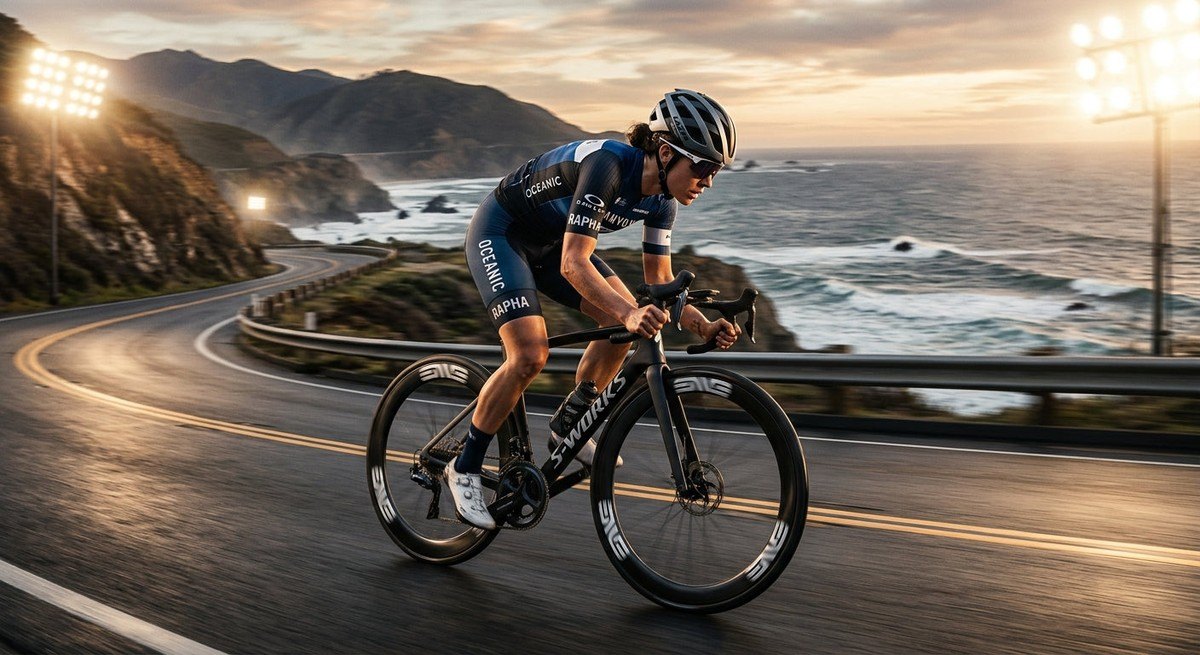
After the first month, start introducing 'brick' sessions. A brick session is simply back-to-back training, like cycling immediately followed by a short run. This helps your legs adjust to the strange sensation of transitioning from the circular motion of pedalling to the impact of running. It is a game-changer for your race-day performance.
How to Build this into my life
Fitting triathlon training into a busy schedule feels daunting, but it is entirely manageable if you prioritise it. Treat your training sessions like non-negotiable appointments in your diary. If you have a meeting at 9:00 AM, that 6:00 AM swim is your 'me-time' that sets the tone for a productive day.
Batch your preparation to save mental energy. Lay out your kit the night before—yes, even your swimming goggles and cap. When your kit is ready, the friction of starting your workout vanishes. It is about creating a seamless flow where your environment supports your goals rather than acting as a hindrance.

Need a clear race fuelling strategy?
Get instant, practical advice on hydration and race-day nutrition directly on this page for free. Try asking Raye: 'How many grams of carbs should I take per hour during a half marathon?' Ask for fuelling advice
Remember to listen to your body. If you are feeling particularly fatigued, swap a high-intensity session for a gentle recovery walk or some mobility work. Rest is not laziness; it is where the actual physiological adaptation happens. You are building a stronger, more resilient version of yourself, and that requires proper recovery cycles.
Essential Kit
You do not need to spend a fortune to get started. For the swim, a decent pair of goggles that do not leak and a comfortable swimsuit or tri-suit will suffice. Ensure your bike is in good working order; a quick service at your local bike shop goes a long way in preventing mechanical issues on the road.

For running, invest in a quality pair of trainers that provide proper cushioning for your specific gait. Visit a specialist running shop where they can analyse your movement and recommend the best fit. Your feet will thank you during those final few kilometres of the race.
Finally, do not forget the importance of nutrition and hydration. Experiment with different energy gels or electrolyte drinks during your training sessions to see what sits well with your stomach. Never try anything new on race day. By the time you reach the starting line, you will have a tried-and-tested routine that gives you the confidence to perform at your best.
10 alternative items to try
- Wetsuit hire: If you are unsure about the open water, hiring a high-quality wetsuit is a brilliant way to test the waters without the hefty upfront investment of buying a new one. It provides buoyancy and warmth, significantly boosting your confidence during those initial cold-water swims in local lakes or reservoirs.
- Smart indoor trainer: For those rainy British days, a smart indoor trainer turns your regular bicycle into a stationary power machine. It allows you to complete structured workouts from the comfort of your living room, ensuring that your training stays on track regardless of the unpredictable weather conditions outside.
- Elastic race laces: These are a total lifesaver during transitions. By replacing standard laces with elastic ones, you can slip your trainers on in seconds without needing to tie them. This saves you precious time and fumbling during the transition from the bike to the run, helping you maintain your race rhythm.
- Triathlon-specific nutrition gels: Unlike regular snacks, these are designed for rapid absorption during intense physical exertion. Trying a variety of flavours and brands during your training will help you find the ones that provide the necessary glucose boost without causing any digestive distress, which is absolutely vital for maintaining energy levels.
- Heart rate monitor chest strap: While watches are great, a chest strap offers superior accuracy for tracking your exertion levels. Monitoring your heart rate helps you stay within your aerobic zones, preventing you from going too hard, too early, and ensuring you have enough fuel in the tank for the finish.
- Anti-chafe balm: This is a secret weapon for any triathlete. Applying this to areas prone to friction—like your neck for the wetsuit or your inner thighs for cycling—prevents painful chafing. It is a small, inexpensive addition to your kit bag that can make a massive difference to your overall comfort.
- Aerodynamic cycling glasses: These do more than just make you look the part. They protect your eyes from wind, debris, and insects at higher speeds. Choosing a pair with interchangeable lenses means you can adapt to varying light conditions, ensuring clear visibility whether you are cycling in bright sun or overcast skies.
- Transition bag: A dedicated transition bag features specific compartments for your swim, bike, and run gear. Keeping everything organised ensures you can find exactly what you need in the heat of the transition area, reducing stress and allowing for a much smoother changeover between the different stages of the race.
- Swimming earplugs: If you struggle with water getting into your ears during the swim, these are essential. They help maintain your balance and prevent post-swim discomfort. Many triathletes find that using them allows them to focus entirely on their stroke and breathing rather than worrying about water in their ears.
- Foam roller: Essential for post-workout recovery, a foam roller helps release tight muscles and improves your overall flexibility. Regular use after your training sessions can help reduce muscle soreness and decrease the risk of injury, ensuring that you can keep training consistently as you build up towards your big race day.


