

Guide to Upgrading Your Road Bike for a Triathlon


Want to build strength to support your running?
Get targeted strength routines and mobility exercises designed specifically for runners directly on-site. Try asking Raye: 'What are 3 key gym exercises to improve running economy?' Get strength tips
Step by Step Starting Out
So, you have decided to take the plunge into the world of triathlon. It is an exhilarating journey, but looking at your standard road bike, you might feel it lacks that competitive edge needed for the bike leg. Do not worry; you do not need a multi-thousand-pound superbike to be competitive. The goal is to make your current setup more aerodynamic and efficient, allowing you to save your legs for the run ahead.
First, we must address your position. The most significant upgrade you can make is not a component, but a change in geometry. Start by installing clip-on aero bars. These allow you to tuck your body into a lower, more aerodynamic profile, significantly reducing drag. Ensure they are fitted correctly to your handlebars; even a slight adjustment in width or length can make a massive difference to your comfort and power output during long rides.
Next, consider your contact points. A triathlon-specific saddle can be a game-changer. These are designed to allow you to rotate your pelvis forward into an aggressive aero position without putting undue pressure on sensitive areas. Pair this with a high-quality set of pedals and stiff-soled cycling shoes to ensure every watt you produce is transferred directly into the drivetrain.
Finally, look at your rolling resistance. Tyres are often overlooked, but they are the only part of your bike touching the tarmac. Swapping standard, durable training tyres for faster, supple race-day rubber can save you precious minutes over a standard Olympic distance course. Look for options with low rolling resistance and puncture protection to keep you moving quickly without the risk of a mid-race flat.
How to Build this into my life
Integrating these upgrades requires a methodical approach. Do not try to change everything the week before your race. Start by making one adjustment at a time, such as fitting the aero bars, and spend at least two weeks training in that position. Your body will need time to adapt to the new muscle engagement and the different strain on your core and neck muscles.
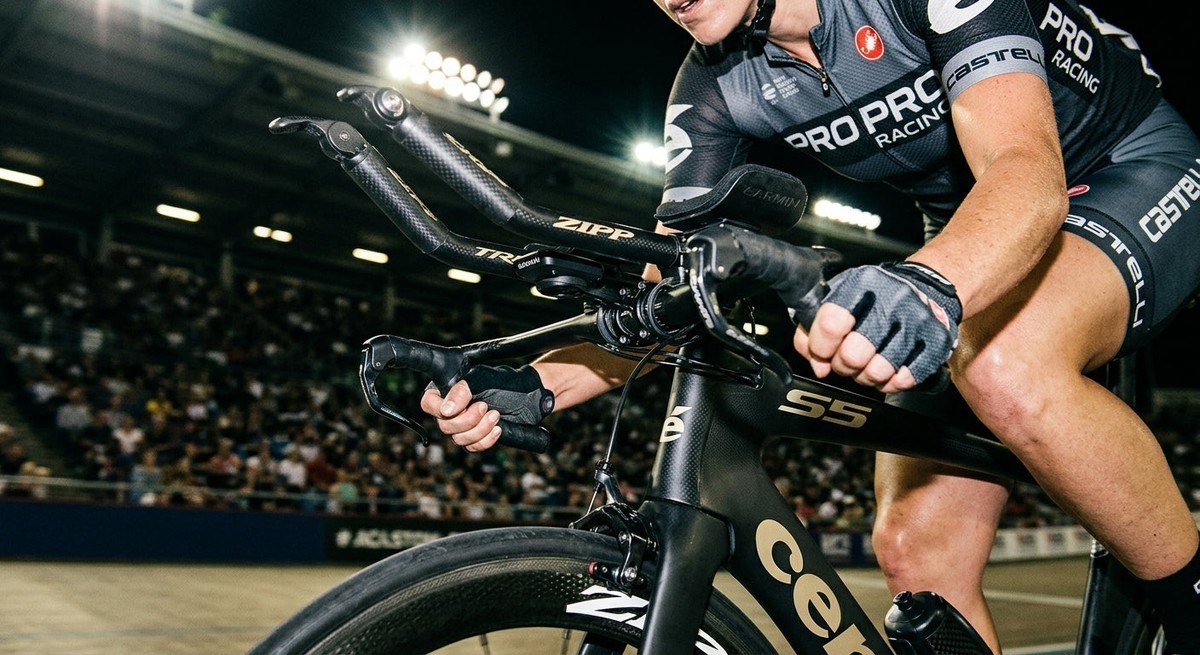
Practice your transitions in training. If you have added a hydration system behind your saddle or on your aero bars, ensure you know exactly how to reach for your bottle while maintaining your position. Muscle memory is your best friend when you are exhausted at the end of the swim and trying to get onto the bike leg with your heart rate already elevated.
Prioritise your bike fit. If you find yourself experiencing neck pain or lower back tension, do not just push through it. Revisit your bike fit professional to tweak the angle of your aero bars or the height of your saddle. A comfortable rider is a fast rider, and if you are constantly shifting to find comfort, you are wasting energy that should be going into the pedals.

Have a specific performance goal in mind?
Get direct feedback on your training targets right here on the page—no sign-up or account required. Try asking Raye: 'How should I adjust my weekly mileage for a sub-20 minute 5K?' Ask about your goals
Consistency is key. Use these upgrades during your brick sessions—those back-to-back workouts where you transition from bike to run. This helps your legs adjust to the sensation of cycling in an aero position and then immediately switching to the running stride. Over time, this becomes second nature, allowing you to focus on your pacing rather than your equipment.
Essential Kit
Beyond the bike itself, having the right kit ensures you can maintain your performance. A good quality multi-tool is non-negotiable; you should know how to use it for quick adjustments on the road. Keep your tyre pressure gauges handy as well, as keeping your tyres at the optimal pressure according to the weather and road surface is a simple, free performance booster.
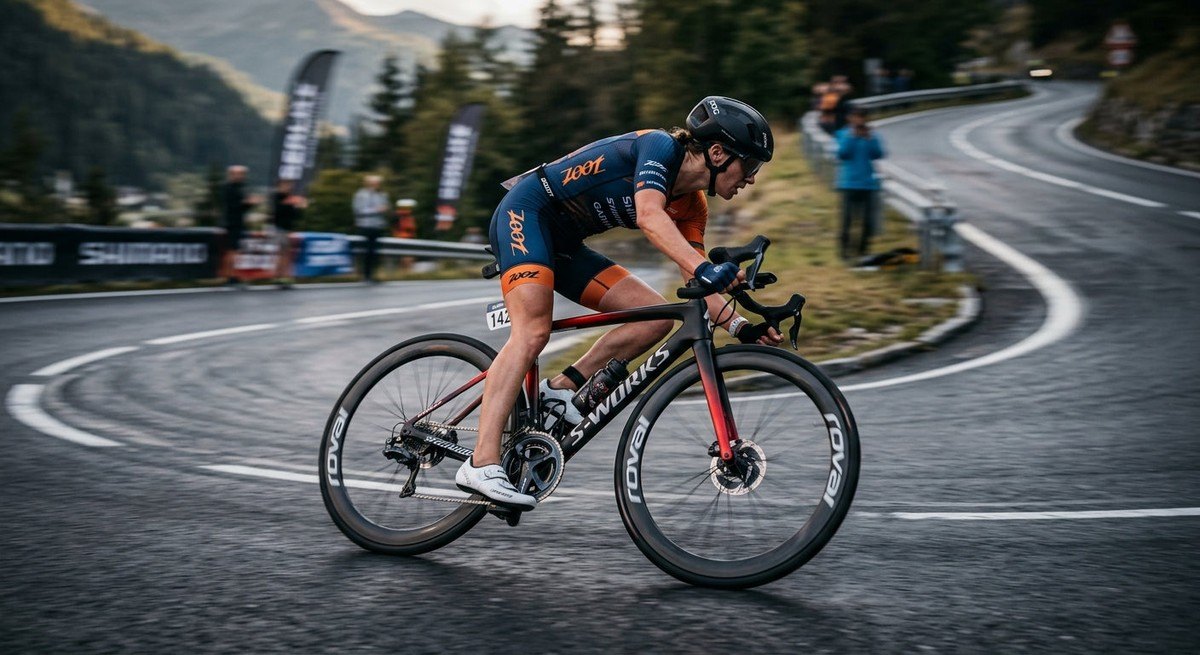
Consider an integrated hydration system. Whether it is a bottle mounted between your aero bars or a dual-bottle cage behind your seat, keeping your water accessible is vital. Staying hydrated prevents the dreaded cramping that can ruin your race. Remember, in a triathlon, fuelling is just as important as the mechanics of your bike.
Always carry a small race-day repair kit. This should include a spare inner tube, tyre levers, and a CO2 inflator. Practising changing a tube in your garage until you can do it in under five minutes is a skill that will pay dividends if you have a puncture during your event. It turns a potential race-ending disaster into a minor hiccup.
10 alternative items to try
- Aero Helmet: An aero helmet is one of the most cost-effective ways to cheat the wind. By smoothing the airflow over your head and back, you can gain significant time without extra effort. Look for models with good ventilation, as overheating can be a real issue during long summer races.
- Deep Section Wheels: Upgrading to a pair of 50mm or 60mm deep-section carbon wheels improves aerodynamics significantly. They help maintain momentum on flat sections and feel incredibly fast. Ensure your frame has enough clearance and that you are comfortable handling them in crosswinds before committing to race day.
- Ceramic Bottom Bracket: Replacing your standard bottom bracket bearings with ceramic versions can reduce friction and improve drivetrain efficiency. While the gains are marginal, for a competitive triathlete looking to shave seconds off their personal best, these small, low-friction upgrades add up to a faster overall time on the bike course.
- Triathlon-Specific Skinsuit: A one-piece skinsuit is designed for speed. It fits tightly to the body to minimise wrinkles and drag. Many modern suits also feature pockets for your nutrition, keeping everything streamlined and accessible. They are designed to be worn under your wetsuit, making for a very quick transition in T1.
- Power Meter Pedals: Understanding your power output is essential for pacing. Power meter pedals allow you to track your effort precisely, ensuring you do not burn out on the bike. By staying within your target wattage, you arrive at the run feeling fresh, rather than having emptied your tank too early.
- Tubeless Tyre Conversion: Switching to a tubeless setup allows you to run lower tyre pressures for better grip and comfort without the risk of pinch flats. The lack of an inner tube also reduces internal friction, making the system faster overall. It is a brilliant way to gain free speed and reliability.
- Oversized Pulley Wheel System: These large jockey wheels reduce the friction in your derailleur by decreasing the chain's articulation angle. They look professional and offer a small but measurable increase in drivetrain efficiency. It is a popular upgrade for those who have already optimised their position and want to squeeze out more performance.
- Aero-Optimised Bottle Cages: Traditional round water bottles create significant turbulence. Aero-optimised cages and bottles are shaped to slice through the air. Placing these in the most aerodynamic spots on your frame, such as the seat tube or behind the saddle, helps maintain the clean lines of your bike setup.
- High-Performance Chain Wax: Traditional chain oil attracts grit, which increases friction over time. Switching to a high-quality wax lubricant keeps your drivetrain cleaner and significantly more efficient. It is a simple, inexpensive maintenance task that keeps your bike running silently and smoothly, ensuring every single watt you push reaches the rear wheel.
- Custom Moulded Insoles: Your feet are the primary connection to the bike. Custom moulded insoles provide superior arch support and prevent foot numbness during long rides. By ensuring your foot is perfectly aligned, you improve your power transfer and overall comfort, allowing you to maintain a consistent pedal stroke for the duration of the race.


