

Guide to the PTO T100 Triathlon Tour 2026: Events and Athletes


Need performance advice right now?
Ask our on-site coach anything about your routines. It's completely free and available immediately right here: 'What are 3 quick exercises for ankle mobility?' Ask Raye for free
Step by Step Starting Out
If you are anything like me, the mere mention of the PTO T100 Triathlon Tour gets your heart racing. The 2026 season promises to be the most exhilarating chapter yet for professional triathlon, blending high-octane racing with a narrative that keeps us all on the edge of our seats. To get started, you need to familiarise yourself with the core concept: 100 kilometres of pure, unadulterated racing across a 2km swim, 80km bike, and 18km run. It is a distance that demands absolute precision and tactical brilliance.
First, take the time to study the race calendar. The 2026 tour is set to visit some iconic global cities, each offering unique challenges that will test the athletes' endurance and adaptability. Whether it is the technical corners of a city-centre course or the gruelling heat of a coastal venue, understanding the environment is key to appreciating how these athletes perform at their absolute limit.
Next, look at the athlete rankings. The T100 tour features a fixed roster of elite professionals who commit to the series, ensuring that we get to see the best of the best go head-to-head at every single event. Tracking these rivalries throughout the season is half the fun. You will quickly find yourself rooting for specific athletes, following their journey from the first whistle to the final transition.
Finally, immerse yourself in the broadcast details. The PTO has revolutionised how we watch triathlon, providing top-tier coverage with expert commentary. Prioritise finding out where you can live-stream the events in your region. Watching the race unfold in real-time, with all the tactical shifts and sudden bursts of speed, is a far cry from reading the results the following morning.
How to Build this into my life
Integrating the T100 tour into your routine is about more than just watching the races. It is about capturing that competitive fire and applying it to your own training. I find that scheduling my long weekend rides to coincide with the broadcast times helps me stay motivated. There is nothing quite like watching a pro power through a headwind to make you forget the discomfort of your own climb.
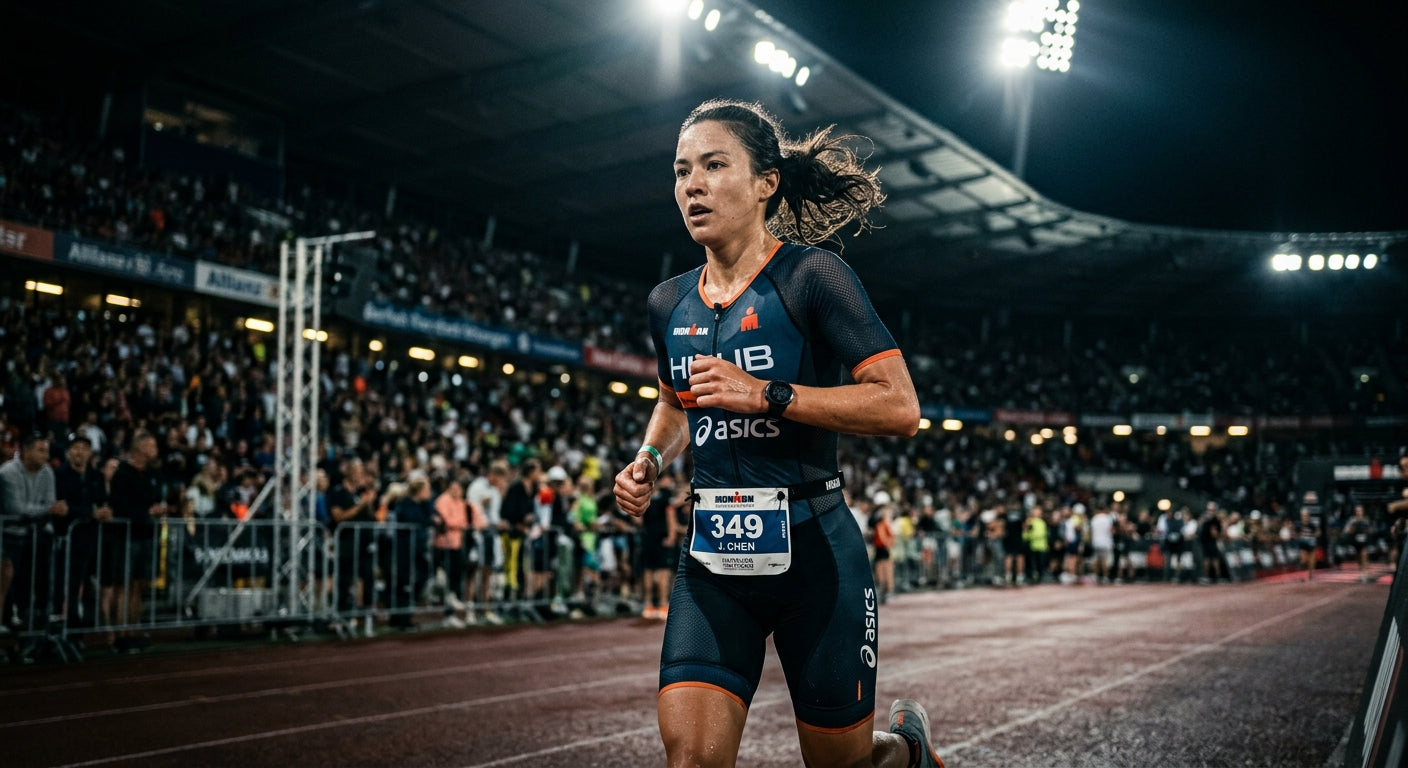
Use the series as a social focal point. Organise watch parties with your local club or training group. Discussing the tactical manoeuvres of the lead pack over a post-session coffee is a brilliant way to deepen your understanding of the sport. You will be surprised at how much you learn when you start breaking down the race dynamics with fellow enthusiasts.
Do not forget to keep a digital journal or a simple spreadsheet to track the standings. As the season progresses, the points table becomes increasingly complex. Following the battle for the overall series title adds a layer of narrative tension that is hard to beat. It turns every race into a crucial chapter in a much larger story.

Need a clear race fuelling strategy?
Get instant, practical advice on hydration and race-day nutrition directly on this page for free. Try asking Raye: 'How many grams of carbs should I take per hour during a half marathon?' Ask for fuelling advice
Finally, engage with the athlete content. Many of the T100 competitors share behind-the-scenes insights on their social channels. Following their preparation, their recovery rituals, and their mental approach to the tour gives you a more empathetic view of the sport. It reminds us that behind the incredible physical feats are real people pushing their boundaries.
Essential Kit
To truly enjoy the 2026 T100 experience, you need a few essentials. First and foremost, a reliable high-speed internet connection is non-negotiable for streaming the races without interruption. You do not want to miss the decisive breakaway because of a buffering screen.
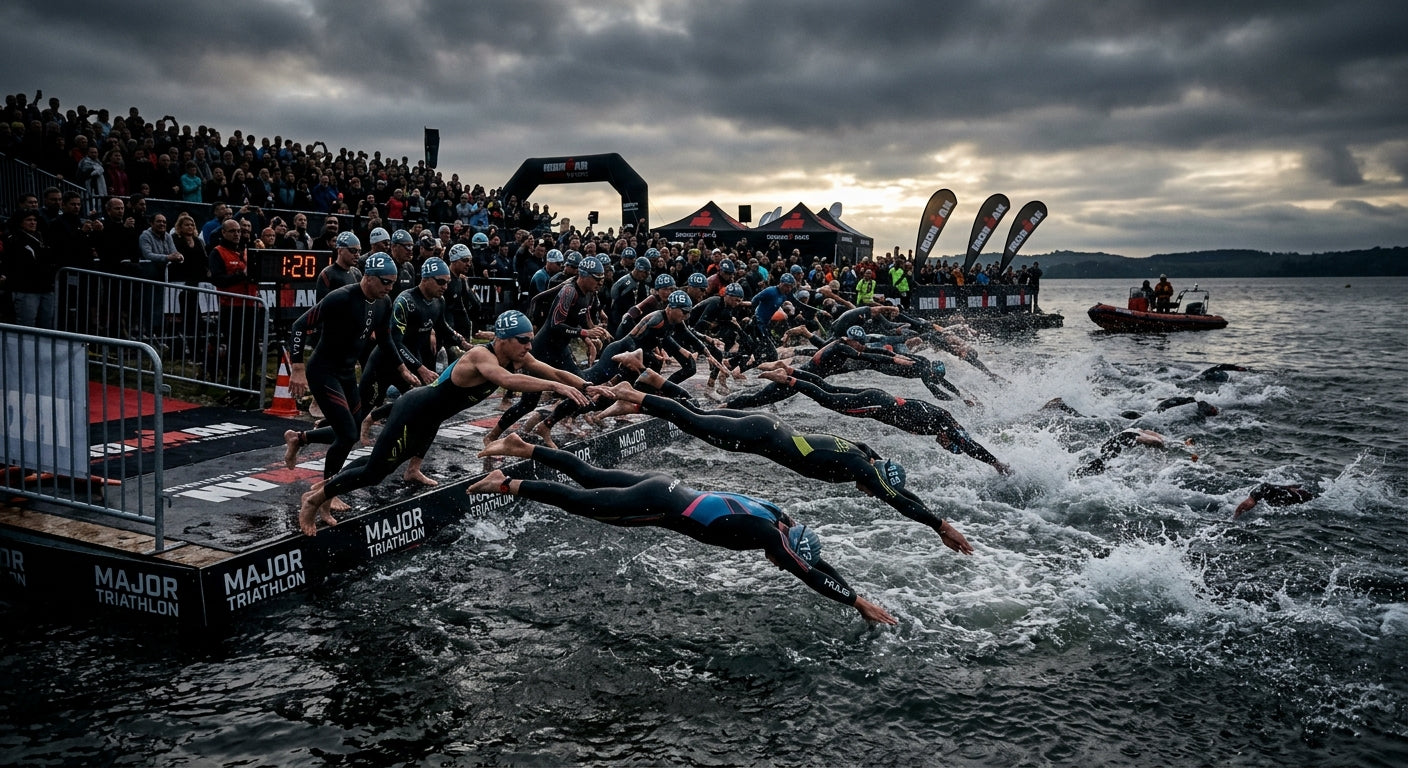
Secondly, a decent pair of headphones or a quality speaker system will ensure you catch every word of the expert commentary. The insights provided by former pros and tactical analysts are invaluable for understanding the nuances of the race, from equipment choices to nutrition strategies.
Lastly, keep a training diary handy. Whether it is a physical notebook or an app, jotting down ideas inspired by the race—a new drill you saw, a specific warm-up routine, or a nutrition hack—will help you translate the professional spectacle into your own personal improvement. It is all about bridging the gap between spectator and participant.
10 alternative items to try
- Smart Trainer: Investing in a high-quality smart trainer allows you to replicate the intense, controlled efforts seen in the T100 bike segments. By using virtual platforms, you can simulate the exact courses used in the tour, giving you a visceral understanding of the power output required to stay with the elite lead pack during a race.
- Performance Nutrition Plan: Follow the lead of the pros by dialling in your own nutrition. Experimenting with different carbohydrate sources and electrolyte concentrations during your training sessions is essential. Just like the T100 athletes, finding what keeps your energy levels stable during a 100km effort will dramatically improve your endurance performance and recovery times.
- Advanced Heart Rate Monitor: Precision is everything at the professional level. Using a chest-strap heart rate monitor provides the accurate data needed to manage your intensity zones effectively. By tracking your physiological response to different training loads, you can mirror the structured approach to fatigue management that the T100 athletes employ throughout the season.
- Aerodynamic Helmet: For those looking to gain marginal improvements, an aero helmet is a classic choice. While it might look sleek, its primary purpose is reducing drag. Watching the T100 pros, you will notice how every bit of equipment is optimised for speed, and adopting similar technology can help you slice through the air more efficiently.
- Compression Recovery Boots: Recovery is the secret weapon of the elite. Using compression boots after a heavy training block helps flush out metabolic waste and reduces muscle soreness. It is a fantastic way to mimic the recovery protocols seen in the professional circuit, ensuring you are ready to tackle your next session with renewed vigour.
- Power Meter Pedals: You cannot improve what you do not measure. Power meter pedals offer precise feedback on your cycling output, allowing you to train by wattage rather than feel. This data-driven approach is standard for T100 competitors, enabling them to pace their efforts perfectly across the 80km bike leg to save energy for the run.
- Professional Coaching App: If you want to train with purpose, a coaching app provides structured, progressive plans tailored to your specific goals. These tools often include built-in analytics that help you track your fitness trends over time, much like a professional team would monitor the progress of their athletes throughout a demanding race season.
- High-Visibility Cycling Kit: Safety should always be a priority, especially when training on open roads. A high-visibility kit ensures you are seen by other road users, allowing you to focus entirely on your performance. It is a practical addition that reflects the professionalism and attention to detail that defines the best athletes in the sport.
- Hydration Vest: For long-distance training runs, a hydration vest is indispensable. It allows you to carry enough fluid and fuel to sustain your effort without needing to stop. Seeing how the T100 athletes handle their nutrition on the move should inspire you to master your own hydration strategy during your longest training sessions.
- Sports Psychology Journal: The mental game is just as important as the physical. Keeping a journal to record your thoughts, anxieties, and successes helps build mental resilience. By reflecting on your performance, you can develop a stronger mindset, mirroring the calm, focused approach that the world's top triathletes bring to the start line.


