

The 2027 Triathlon World Tour Blueprint: Navigating the T100 and T50 Merger for Age-Groupers


Trying to beat your local Strava segment goals?
Fine-tune your training strategies to hit your target stats without downloading another app. Try asking Raye: 'How can I structure hill repeats to build short-segment power?' Ask how to hit your target
Understanding the New Landscape
If you are anything like me, the news of the 2027 merger between the PTO T100 and the World Triathlon T50 series felt like a massive shake-up. It is a bold new era for us age-groupers, but navigating these changes can feel a bit daunting. I have spent the last few weeks dissecting the new tiering system so you can focus on what really matters: your performance.
Essentially, the merger creates a unified pathway for competitive athletes. The T100 remains the pinnacle of long-distance racing, while the T50 series introduces a punchier, high-intensity format that is perfect for those who enjoy testing their threshold limits. Think of it as a more cohesive ladder that allows you to move between distances with far greater ease than we have seen in previous seasons.
Step by Step Starting Out
First, you need to audit your current race calendar. With the new tiered event structure, prioritise the races that align with your primary season goals. If you are targeting a T100 event, your training volume needs to reflect that endurance focus, whereas the T50 events demand a sharper, more explosive approach to your interval sessions.
Next, look at the registration pathways. The new centralised portal is a massive improvement. Make sure you create your profile early and link your World Triathlon ID. This is vital for securing your spot in these high-demand events, especially if you are aiming for a specific age-group podium finish this year.
Finally, start your logistics planning at least six months out. Travel to international events is a huge part of the tour, and with the merger, you will find that bike transport services are becoming much more specialised. Do not leave your logistics to the last minute if you want to keep your stress levels low.
How to Build this into my life
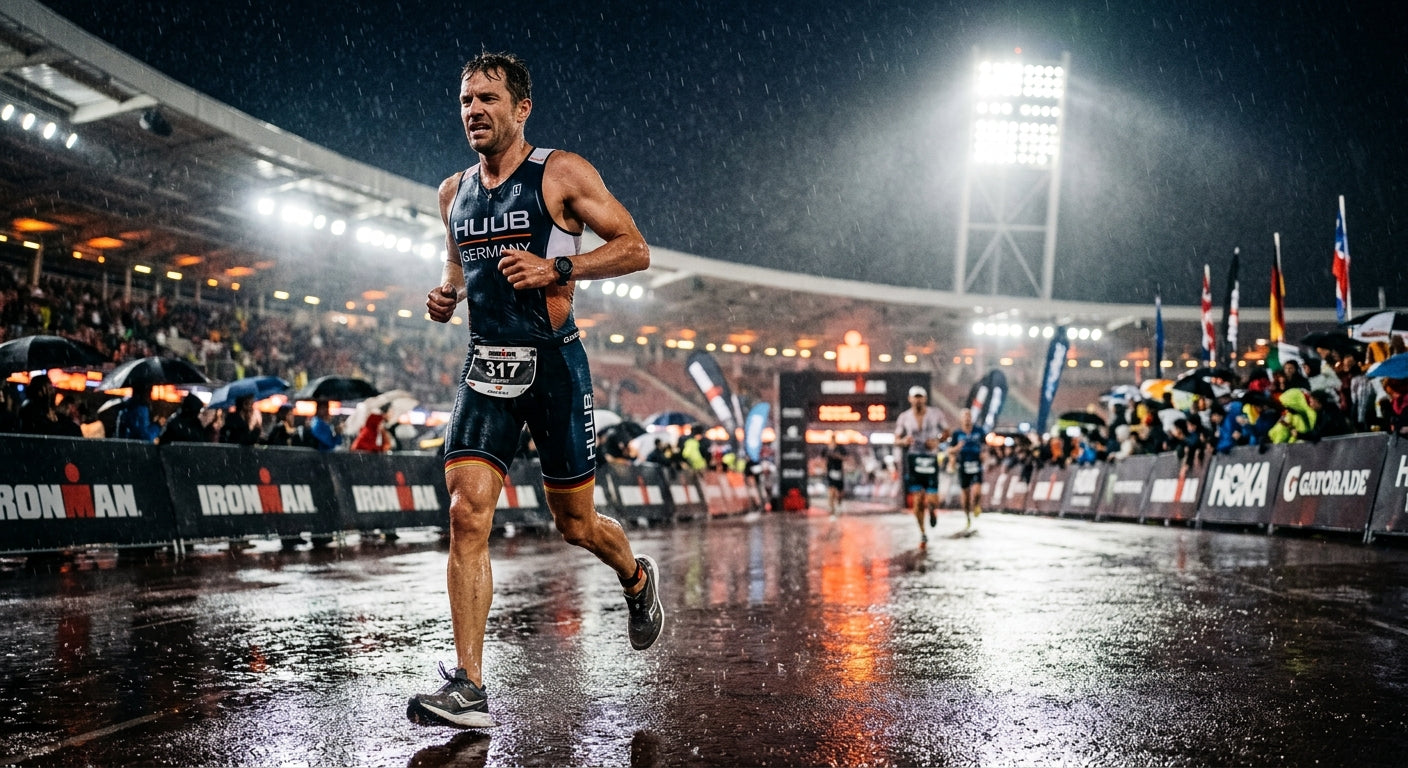
Integrating this level of competition into a busy life is the ultimate challenge. I personally use a 'block periodisation' method. I dedicate three weeks to high-intensity T50 prep, followed by a lighter recovery week. This keeps my motivation high without burning out before the main T100 events.
You must also be honest about your recovery. The travel schedule for the 2027 tour is intense. Prioritise your sleep and nutrition, even when you are on the road. I have found that carrying a portable foam roller and a specific supplement kit keeps my body resilient during those long-haul flights to the race centre.
Consistency is your best friend. Even on days when you are tired, a short, low-intensity session is better than skipping altogether. It helps maintain that athletic habit and keeps your cardiovascular system primed for the demands of the upcoming race season.

Hit a wall with form, pacing, or fatigue?
Skip searching forums. Chat directly on this page with our performance coach to solve training issues in seconds: 'How do I prevent side stitches on long runs?' Troubleshoot your run
Essential Kit
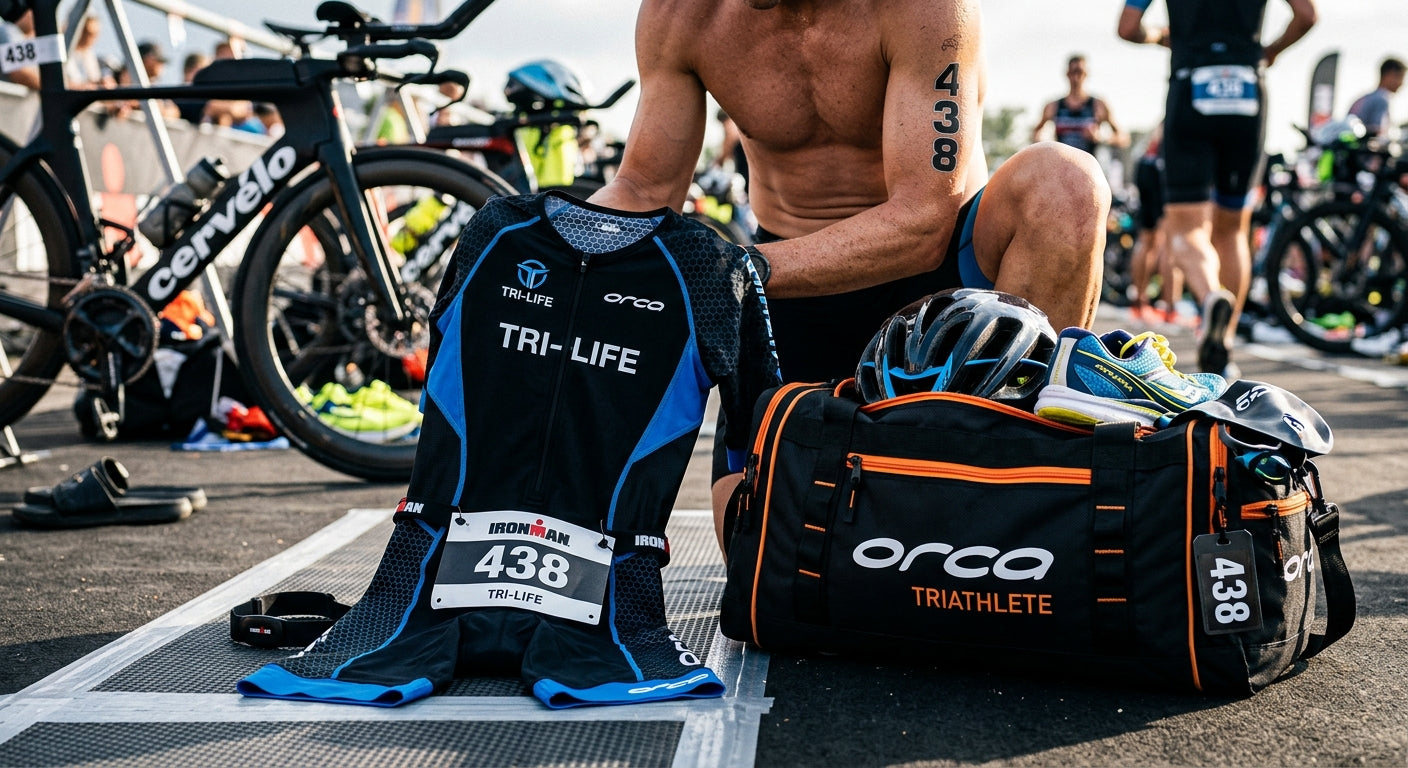
When it comes to gear, the merger has highlighted the need for versatility. You need a high-performance trisuit that offers exceptional breathability for the heat of the T50 but enough comfort for the long-haul T100. Look for fabrics that offer advanced moisture-wicking properties and a secure, aerodynamic fit that does not chafe.
A reliable race-belt is no longer just an accessory; it is a necessity. With the new timing systems, you need a belt that stays put during the transition and allows for rapid number changes. I also cannot stress enough the importance of a well-organised transition bag. Having dedicated compartments for your swim, bike, and run kit will shave precious seconds off your transition times.
Invest in quality, not quantity. A few pieces of high-end, durable kit will serve you much better than a pile of cheap gear that fails when you are under pressure. Your kit should be an extension of your body, allowing you to focus entirely on your output rather than your equipment.
10 alternative items to try
- Aero-Optimised Hydration System: Replacing standard bottles with an integrated front-hydration system can significantly improve your aerodynamic profile during the bike leg. These systems allow you to drink without leaving your aero bars, which is crucial for maintaining a steady cadence and power output during the longer T100 races on the tour.
- Custom Moulded Earplugs: Swimming in open water during mass starts can be chaotic. Custom-moulded earplugs not only protect your ears from cold water and potential infections but also help reduce the sensory overload of a crowded swim start, allowing you to maintain your focus and rhythm from the very first stroke.
- Compression Recovery Boots: After a punishing training block or a race, circulation is key. These boots use pneumatic pressure to flush out metabolic waste and reduce muscle soreness. They are an essential tool for any age-grouper looking to back up a T50 race with another training session just days later.
- High-Precision Power Meter Pedals: Accurate data is the backbone of modern triathlon training. Switching to power meter pedals allows you to track your left-right balance and total output with clinical precision. This feedback is vital for pacing your T100 efforts correctly so you do not blow up before the run.
- Polarised Performance Sunglasses: Managing glare on the road is essential for safety and comfort. High-end polarised lenses enhance contrast, allowing you to spot road hazards early. They also reduce eye strain significantly, which is a hidden factor in maintaining high concentration levels during the later stages of a long-distance triathlon.
- Carbon-Plated Racing Shoes: The technology in modern running shoes has changed the game. A pair of carbon-plated trainers provides that extra energy return needed to maintain a fast pace off the bike. These shoes are specifically designed to reduce fatigue in the lower legs, which is a massive advantage in the final kilometres.
- Smart Heart Rate Chest Strap: While wrist-based sensors are getting better, a chest strap remains the gold standard for accuracy. When you are pushing your threshold in a T50 race, you need real-time, reliable data to ensure you are staying within your zones and not redlining too early in the heat of battle.
- Triathlon-Specific Nutrition Flasks: Managing your carbohydrate intake on the fly is difficult. These soft flasks are designed to fit into your trisuit pockets or on your bike frame, making it easier to consume gels and electrolytes without fumbling. Consistency in your nutrition strategy is what will get you to the finish line.
- Anti-Chafe Balm Sticks: It sounds simple, but skin protection is vital. A high-quality anti-chafe stick applied to your neck, underarms, and inner thighs can save you from severe discomfort during the run. When you are sweating heavily, these areas are prone to friction, and prevention is always better than dealing with the pain.
- Digital Transition Timer: Some athletes use a small, waterproof digital timer attached to their bike or wrist to track their transition segments. By breaking down your T1 and T2 times, you can identify exactly where you are losing time and work on specific drills to improve your efficiency in the transition zone.


