

How to Transport Your Triathlon Bike to Overseas Races


Want to build strength to support your running?
Get targeted strength routines and mobility exercises designed specifically for runners directly on-site. Try asking Raye: 'What are 3 key gym exercises to improve running economy?' Get strength tips
Step by Step Starting Out
So, you have finally qualified for that dream race abroad. The excitement is palpable, but then the reality sets in: how on earth do you get your pride and joy, your triathlon bike, across the globe without it arriving looking like a pretzel? I have been there, sweating at the check-in desk, hoping the baggage handlers treat my carbon frame with the same reverence I do. The secret, my friend, is meticulous preparation.
First, start by stripping your bike down. You do not need to be a professional mechanic, but you must be comfortable removing your pedals, seat post, and handlebars. If you have an integrated cockpit, take photos of your settings before loosening a single bolt. Precision is key here; you want to replicate your exact fit the moment you reassemble it at your destination.
Next, invest in a high-quality bike box or bag. Do not skimp here. A hard-shell case offers the best protection against the inevitable knocks of international travel. Wrap your frame in pipe lagging—those foam tubes from the DIY shop are brilliant—and use plenty of bubble wrap. Treat your derailleur with extra care; remove it from the hanger if possible, wrap it in a microfibre cloth, and zip-tie it safely to the frame.
Finally, always deflate your tyres slightly to account for changes in cabin pressure, though do not let them go completely flat. Pack your tools, pedals, and spare tubes inside the box, but ensure they are secured so they do not rattle against your frame. Once everything is cushioned and locked in, give the box a good shake. If you hear movement, add more padding. It is better to be safe than sorry when you are thousands of miles from your local bike shop.
How to Build this into my life
Transporting a bike shouldn't be a source of pre-race anxiety. To make this a seamless part of your routine, start by building a 'travel checklist' months before your race. This list should include everything from your bike computer and pedals to the specific torque wrench you need for your seat post. Keep this list on your phone and update it after every trip.
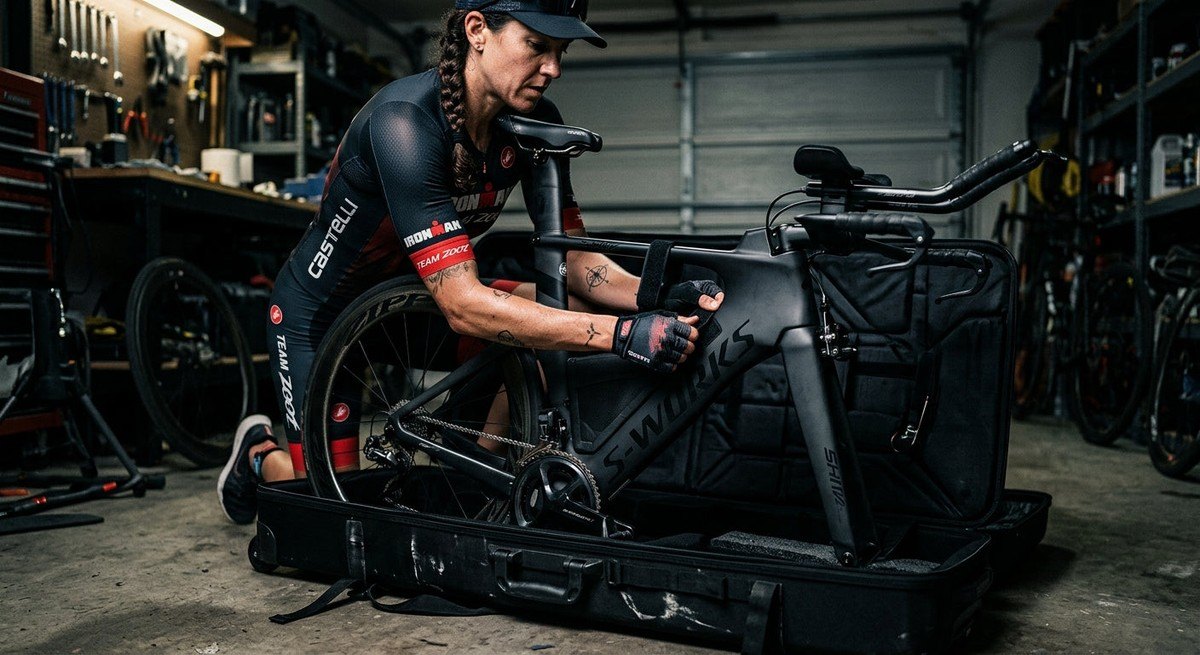
I find it incredibly helpful to schedule a 'practice pack' three weeks before your departure. This allows you to identify any missing tools or awkward packing angles while you are still in the comfort of your own garage. If you struggle to get the handlebars to fit, you will have plenty of time to figure out a better configuration without the pressure of an impending flight.
When it comes to the airline, prioritise booking your bike as 'sports equipment' well in advance. Some airlines have strict weight limits or pre-approval processes. Call them, get the name of the agent you spoke to, and have your confirmation printed out. Being organised at the check-in counter is the ultimate power move that saves your nerves.

Have a specific performance goal in mind?
Get direct feedback on your training targets right here on the page—no sign-up or account required. Try asking Raye: 'How should I adjust my weekly mileage for a sub-20 minute 5K?' Ask about your goals
Finally, consider the logistics of the 'last mile'. How are you getting that massive bike box from the airport to your hotel? Research pre-booked airport transfers that can accommodate large luggage. Dragging a bike box onto a crowded train or a tiny city taxi is a recipe for a meltdown. Prioritise comfort and ease to keep your legs fresh for the race.
Essential Kit
Beyond the bike box, you need a solid 'travel kit'. This should include a high-quality torque wrench, a set of hex keys, and a small tub of carbon assembly paste. You would be surprised how often you need that paste after reassembling your seat post. Always pack a spare derailleur hanger specific to your bike model; it is a cheap, lightweight insurance policy against a race-ending disaster.
Include a roll of strong packing tape and a few spare zip ties. You will inevitably need to re-secure some padding after airport security has had a rummage through your case. I also like to pack a small rag and some degreaser wipes to clean up any chain grease before I start putting the bike back together in a hotel room.
Lastly, consider an AirTag or similar GPS tracker. Tucking one inside your bike box provides immense peace of mind. Knowing your bike has landed in the same city as you is worth every penny. With these tools and a calm approach, you will arrive at your race feeling like a pro, ready to focus entirely on your performance.
10 alternative items to try
- Bike Box Alan: This is widely considered the gold standard for hard-shell bike cases. It is incredibly robust, virtually indestructible, and designed by cyclists for cyclists. The internal padding is excellent, ensuring your bike remains static throughout the journey. It is a significant investment but offers the best possible protection for your bike.
- Scicon Aerocomfort Triathlon Bag: This is a soft-shell bag that is incredibly popular because it requires minimal disassembly of your bike. It features a built-in metal frame that holds your bike securely. It is much easier to pack than a hard box, though it offers slightly less impact protection during rough airport handling.
- Orucase Airport Ninja: Designed specifically to bypass oversized baggage fees, this case is compact and clever. It requires more disassembly than other options, but the cost savings on flights can be substantial. It is perfect for the minimalist traveller who is confident with their mechanical skills and wants to avoid airline surcharges.
- Evoc Bike Travel Bag Pro: A fantastic hybrid option that balances durability with ease of use. It features a reinforced base and excellent wheel compartments. The internal structure supports the bike well, and the high-quality wheels make it a breeze to manoeuvre through busy airport terminals, which is a massive plus for solo travellers.
- Thule RoundTrip Bike Box: Known for its exceptional engineering, this case offers integrated wheels and a mounting system that keeps your bike stable. It is very user-friendly and provides a high level of security. It is a great middle-ground choice for those who want professional-grade protection without the weight of a heavy plastic shell.
- Dakine Bike Roller Bag: This bag is fantastic if you need extra room for your kit. It is spacious and well-padded, allowing you to store your helmet, shoes, and wetsuit alongside your bike. While it is a soft-shell bag, the internal structure is impressive and keeps the frame well-protected during transit.
- Topeak PrepStand: While not a travel case, having a portable, foldable work stand is essential once you reach your destination. This model is lightweight and fits easily into your luggage. It allows you to perform your final assembly and tune-up with the same precision you would expect in your own home workshop.
- Feedback Sports Velo Cache: This is a fantastic storage solution for your hotel room. It keeps your bike off the floor and prevents accidental damage from cleaning staff or other guests. It is easy to assemble and disassemble, making it a highly practical accessory for long-stay triathlon events where you need stable storage.
- Muc-Off Travel Kit: Keeping your bike clean is part of the maintenance process. This travel-sized kit includes everything you need to keep your drivetrain running smoothly after the long flight. It is lightweight, leak-proof, and ensures you do not have to rely on local shops for basic maintenance supplies when you arrive.
- Park Tool P-Handle Hex Set: These are a joy to use and provide far better leverage than standard multi-tools. When you are reassembling your bike in a hotel, you want tools that feel like an extension of your hands. They are durable, reliable, and will last a lifetime of international racing adventures.


