

Hyrox 2026/2027 Season Calendar: Locations and Registration


Dealing with a nagging injury or tightness?
Get instant recovery guidance, stretching protocols, and rest advice right now without leaving the site. Try asking Raye: 'What are the best stretches to relieve tight calves after a long run?' Get recovery advice
Step by Step Starting Out
Getting your head around the Hyrox 2026/2027 calendar feels a bit like trying to solve a Rubik’s cube in the dark, doesn't it? As someone who has slogged through various race circuits, I have learnt that the secret isn't just in the burpees; it is in the logistical planning. First, you need to identify your 'A-race'. Don't just sign up for everything in sight. Look at the official Hyrox website for the full 2026/2027 schedule and pick one event that gives you at least twelve weeks of uninterrupted training. This is your foundation.
Once you have selected your location, set a calendar alert for the registration opening date. Hyrox events sell out with frightening speed, often in minutes. I have seen many mates miss out because they assumed they could just book a month before. Treat the registration window like a high-stakes auction; be on the site, logged in, and ready to pay the moment the portal opens.
Next, familiarise yourself with the qualification criteria for the World Championships. If you are aiming for the elite or age-group podiums, you need to understand the point system early. Check if your chosen event is a 'Major' or a 'Standard' race, as this affects the weighting of your results. Knowing where you stand before the starting gun fires is a massive advantage.
Don't forget to account for travel. If you are planning a trip to a major European hub or a long-haul destination, book your accommodation near the race venue. You do not want to be navigating public transport across a foreign city at 5:00 AM on race day. Prioritise staying within walking distance to keep your stress levels low and your focus sharp.
How to Build this into my life
Integrating Hyrox training into a busy life is all about micro-habit stacking. You don't need to live in the gym, but you do need to be consistent. I find that scheduling my hardest sessions on Tuesday and Thursday mornings keeps my weekends free for recovery or active socialising. This approach ensures that your training doesn't feel like a chore but rather a non-negotiable appointment with your future self.

Nutrition is the silent partner to your training. Start tracking your intake during the build-up phases. You need to fuel your body for the intensity of the sled push and the lung-burning wall balls. If you aren't hitting your macros, your performance on the floor will suffer. Keep it simple: whole foods, plenty of water, and consistent sleep patterns.
Recovery needs to be just as structured as your training. Use your rest days to focus on mobility and foam rolling. If you have the budget, booking a sports massage once a fortnight can be a game-changer. It helps you iron out those niggles before they turn into injuries that could derail your entire season.

Have a quick training or recovery question?
Get fast expert advice right here on the page—no sign-up, account, or app needed. Try asking Raye: 'What's the best way to relieve tight calves after a run?' Ask a question now
Finally, find a community. Training alone is tough, but finding a local box or a group of mates who are also targeting a 2026/2027 event makes the journey infinitely more enjoyable. We push each other harder, share travel tips, and celebrate the small wins together. It makes the gruelling kilometres of running feel like a shared adventure.
Essential Kit
When it comes to gear, keep it functional. You need a pair of trainers that offer excellent cushioning for the running segments but are stable enough for the functional movements. Don't experiment with new shoes on race day; break them in during your long training runs weeks in advance.
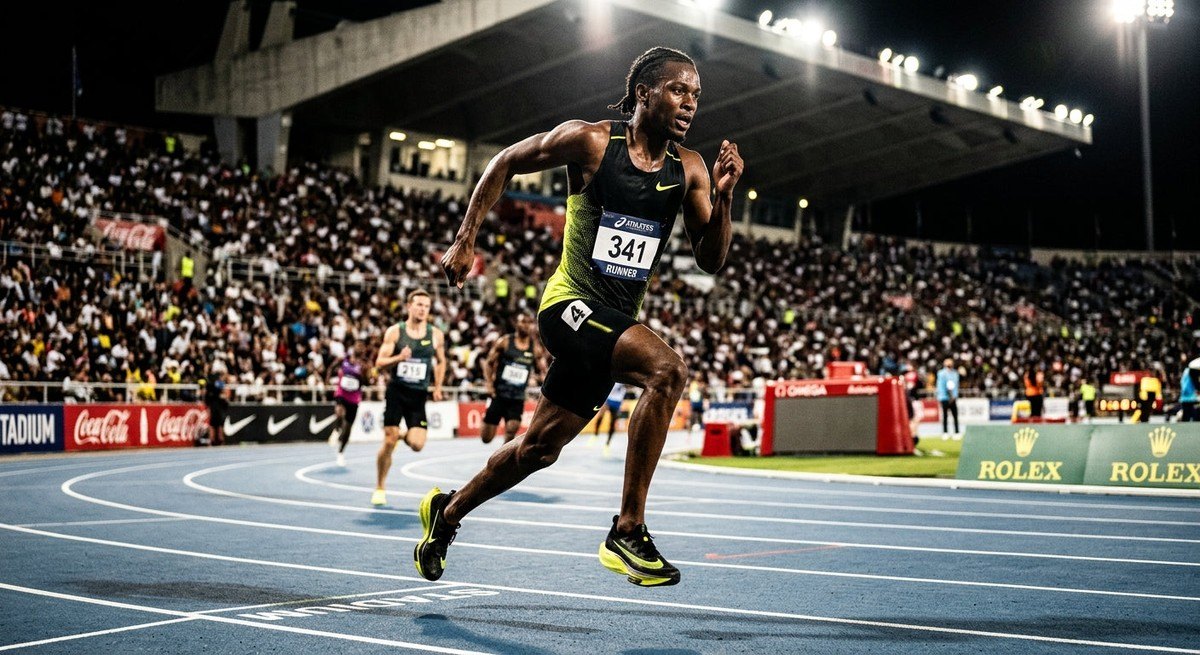
For clothing, moisture-wicking fabrics are your best friend. The race environment is humid and intense; you want kit that breathes and doesn't chafe. Compression gear can also be quite effective for recovery during the race, helping to keep your muscles primed through the various stations.
Hydration is critical. I always carry a collapsible soft flask during my training sessions to get used to drinking on the move. While there are water stations on the course, knowing exactly how you handle fluid intake under pressure is a massive tactical edge. Prepare your nutrition strategy, test it, and stick to it.
10 alternative items to try
- Weighted Vest: Incorporating a weighted vest into your runs mimics the fatigue of the sled push. It builds specific endurance in your core and legs, helping you maintain a better posture when you are deep in the 'pain cave' during the latter stages of the race.
- Resistance Bands: These are perfect for dynamic warm-ups and targeting accessory muscles. They are lightweight, portable, and essential for keeping your shoulders healthy, especially given the high volume of pulling and pushing movements you will encounter throughout the season.
- High-Performance Insoles: Replacing the standard insoles in your trainers can improve arch support and energy return. For a race that involves eight kilometres of running, having a solid foundation for your feet is paramount to preventing fatigue and ensuring you maintain a consistent pace.
- Massage Gun: A percussion therapy device is a lifesaver for tight quads and calves. Using it post-session helps flush out metabolic waste and reduces muscle soreness, allowing you to get back to your training programme faster and with less discomfort between sessions.
- Electrolyte Tablets: Essential for maintaining fluid balance during the intense, sweat-heavy race. They provide the necessary salts to prevent cramping and keep your cognitive function sharp, ensuring you don't make tactical errors when you are physically exhausted during the final stations.
- Heart Rate Monitor: Tracking your zones during training is the only way to ensure you are building the right energy systems. Knowing your threshold allows you to pace the race correctly, preventing you from burning out in the first two stations and finishing strong.
- Compression Socks: These help improve circulation and reduce swelling during long travel days to your race location. They also provide extra support during the race itself, potentially reducing the risk of calf strains and helping you feel fresher once you cross the finish line.
- Energy Gels: Having a pre-planned nutrition strategy is vital. Testing different brands during training allows you to find one that doesn't upset your stomach. These provide a quick, accessible source of glucose to fuel your muscles during the high-intensity portions of the Hyrox circuit.
- Foam Roller: A classic for a reason. It is the most effective way to perform self-myofascial release. Spending ten minutes rolling out your major muscle groups after a session can significantly improve your range of motion and overall recovery speed over the long term.
- Digital Race Timer: Using a dedicated timer during your workouts helps you stay disciplined with your rest periods between stations. Hyrox is a game of time management, and training yourself to keep an eye on the clock will help you maintain intensity throughout your training blocks.


