

Sleeved vs. Sleeveless Trisuits: Finding Your Perfect Race Day Fit


Planning your next fitness milestone?
Get immediate guidance on pacing, workout structure, or race prep directly on-site for free. Try asking Raye: 'Can you outline a simple 4-week build plan for a 10K?' Get instant guidance
Step by Step Starting Out
Choosing your trisuit is one of the most personal decisions you will make as a triathlete. It is the piece of kit you spend hours in, and getting it right can be the difference between a podium finish and a miserable day on the bike. When you are just starting out, it is easy to get overwhelmed by the technical jargon, but let us break it down simply. If you are aiming for peak aerodynamics, particularly on long-distance courses where you spend the majority of your time in the aero bars, sleeved trisuits are your best friend. The fabric covering your shoulders helps smooth airflow, potentially saving you precious watts.
However, if you are a swimmer who feels restricted by fabric or you are racing in an extremely hot climate, the sleeveless cut offers a distinct advantage. Sleeveless suits provide an unparalleled range of motion in the shoulder girdle, which can feel more natural during a long swim. It is all about assessing your personal priorities: do you need the marginal gains of a sleeved suit, or does your biomechanical comfort in the water take precedence?
When you start, I recommend trying both styles during your training sessions. Do not just test them on a short jog; take them into the pool and onto the turbo trainer. Pay attention to how the fabric sits across your lats and whether the sleeves cause any chafing under the armpits. Remember, what feels fast in the shop might feel restrictive after three hours of racing. Your body is unique, and your gear should reflect that.
How to Build this into my life
Integrating a new trisuit into your routine is about more than just race day. You need to build familiarity. Start by wearing your chosen suit for your brick sessions. This allows you to understand how the chamois performs when moving from the bike to the run. If you choose a sleeved Sundried trisuit, notice how the aerodynamic properties feel as you settle into your tuck. It is about creating a symbiotic relationship between your body and your equipment.
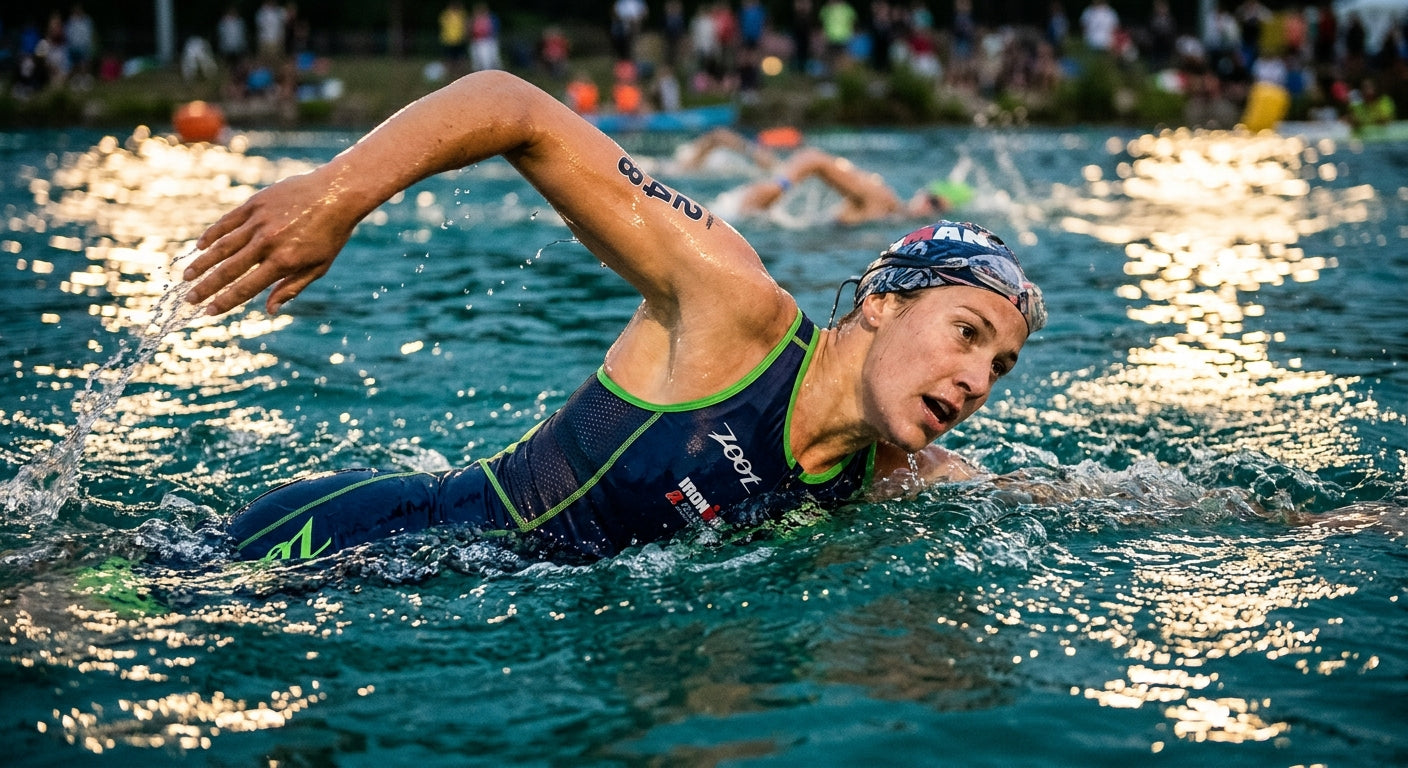
Consistency is key. If you are training for an Ironman, you should be doing your long rides in your race kit at least once a week. This helps you identify any potential pressure points or issues with the zipper placement before you are out on the course. If you find the sleeves are causing overheating, you might need to adjust your hydration strategy or look for a suit with better moisture-wicking technology, which is where Sundried excels with their advanced fabric blends.
Adjusting your routine also means considering the weather. In cooler climates or early morning races, a sleeved suit provides a bit of extra warmth that can keep your muscles primed. Conversely, if you are racing in the heat, the sleeveless option allows for better airflow over the skin. Listen to your body and be prepared to switch things up based on the race profile. It is perfectly fine to own two suits for different types of events.

Looking to shave time off your personal best?
Get immediate pacing strategies and interval workout ideas directly on-site for free. Try asking Raye: 'What is the best threshold session to help drop my 10K time?' Get instant pacing tips
Essential Kit
To get the best out of your trisuit, you need to treat it with care. Always rinse it in cold water immediately after a session to remove salt and chlorine, which can degrade the elastic fibres over time. Invest in a high-quality laundry bag to prevent the delicate stitching of your trisuit from snagging in the washing machine. Proper maintenance ensures that the compressive qualities of your Sundried gear remain intact for as long as possible.
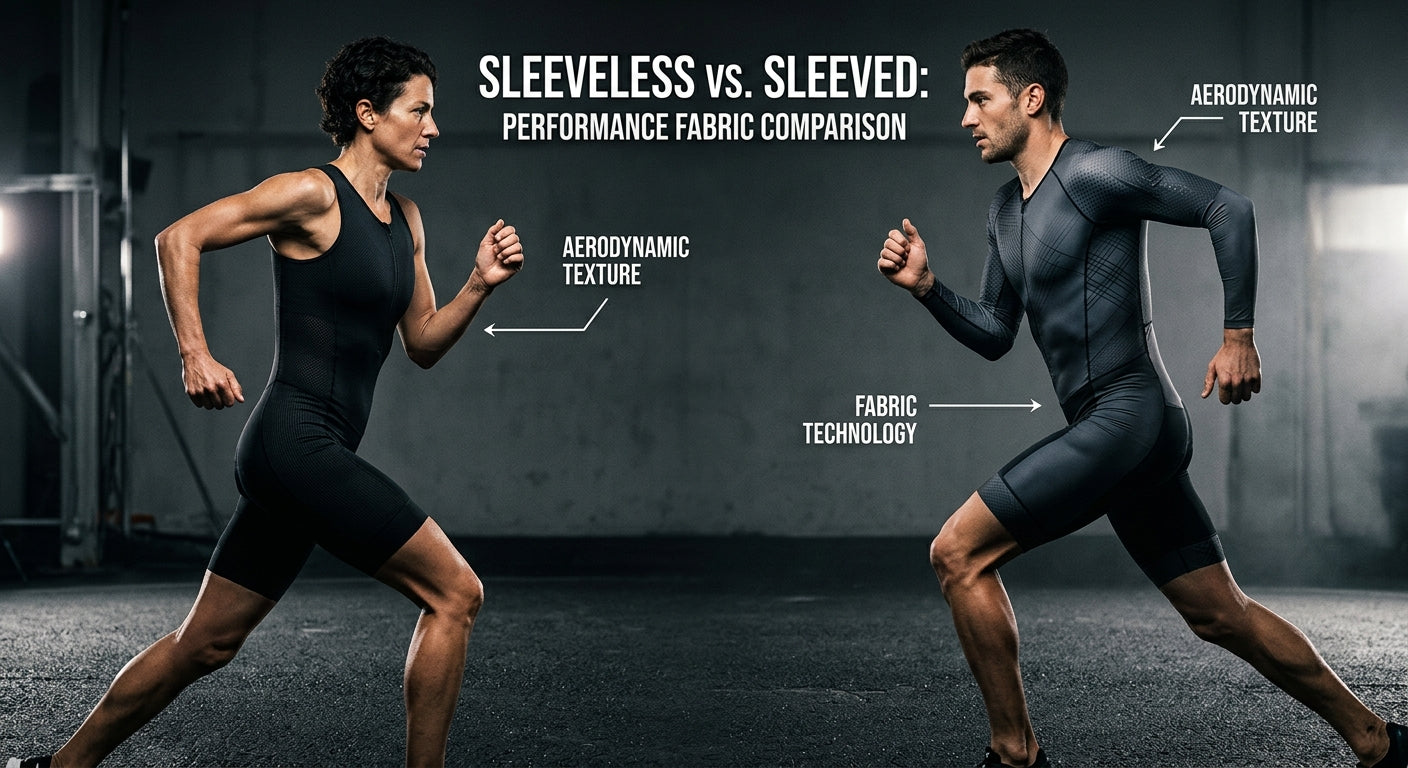
Beyond the suit, consider your accessories. A good pair of race-day socks and a well-fitting helmet can complement the aerodynamic benefits of your sleeved trisuit. If you go with a sleeveless option, ensure you have quality arm coolers if you are worried about sun exposure. Your kit is a system; every element should work in harmony to keep you comfortable and fast.
Finally, remember that confidence is a piece of kit in itself. When you stand on the start line wearing gear that you have tested, adjusted, and learned to trust, you are already halfway to a personal best. Whether you choose the sleek, aero-focused design of a Sundried sleeved suit or the liberating freedom of a sleeveless cut, make sure it makes you feel like the best version of yourself.
10 alternative items to try
- Sundried Pro Sleeved Trisuit: This premium option offers advanced aerodynamic fabrics that reduce drag on the bike. The compression panels provide excellent muscle support, reducing fatigue during long-distance efforts. It is designed with breathable materials that wick moisture away, ensuring you stay cool even when the intensity rises during the final run segment.
- Sundried Sleeveless Trisuit: Perfect for those who prioritise shoulder mobility during the swim. The sleeveless design allows for a full range of motion, making it ideal for athletes who struggle with restriction. It features a high-quality chamois that provides comfort on the bike without feeling bulky or cumbersome during your transition.
- Zone3 Aquaflo Plus: This suit is renowned for its excellent water repellency and speed. The fabric is designed to be highly breathable and flexible, allowing for a natural stroke. It is a fantastic choice for triathletes who want a blend of performance and comfort without sacrificing the benefits of a technical fabric.
- Orca Core Race Suit: A reliable staple in the triathlon world, the Orca Core offers great durability and comfort. It is designed to be versatile, performing well across all three disciplines. The fabric is soft against the skin, which helps prevent chafing during long-distance races, while the fit remains snug and supportive throughout.
- 2XU Perform Front Zip Trisuit: Known for its superior compression technology, this suit helps reduce muscle oscillation and improves blood flow. The front zip allows for easy temperature regulation, which is vital when the mercury rises. It is a top-tier choice for athletes looking to maximise their recovery and performance during intense racing.
- Castelli Free Sanremo Suit: This is a top-end choice for those who take aerodynamics seriously. The innovative Sanremo construction means the top is not fully sewn to the shorts, providing a more comfortable fit when you are in the aero position. It is a high-performance piece of engineering for the serious racer.
- Huub Dave Scott Long Course Suit: Designed with input from the legend himself, this suit focuses on aerodynamics and comfort for long-distance events. It features specific panels to manage heat and reduce drag, making it a favourite among Ironman athletes who spend significant time in the saddle and need consistent, reliable performance.
- Pearl Izumi Elite Pursuit: This suit offers a great balance of value and performance. The fabric is designed to move with you, and the chamois is specifically shaped for the triathlon riding position. It is an excellent option for beginners and intermediates who want a high-quality suit without an extreme price tag.
- TYR Competitor Speed Suit: Built for speed, this suit uses lightweight, quick-drying fabrics that feel almost weightless. It is designed to be as fast as possible in the water and on the bike. The fit is exceptionally streamlined, catering to those who want to shave every possible second off their transition and race times.
- Desoto Riviera Stealth: Known for its unique features like the integrated pockets and the ability to separate the top and bottom, this suit is incredibly versatile. It is perfect for those who want a customisable fit and excellent storage options for their nutrition. It is a highly functional choice for endurance athletes.


