

Decoding Ironman’s Performance Pool: How Age-Graded Scoring Changes Qualification


Dealing with a nagging injury or tightness?
Get instant recovery guidance, stretching protocols, and rest advice right now without leaving the site. Try asking Raye: 'What are the best stretches to relieve tight calves after a long run?' Get recovery advice
Understanding the New Landscape
If you have spent your season chasing that elusive Kona or Nice qualification, you have likely noticed that the game has changed. The shift towards age-graded scoring is not just a minor tweak; it is a fundamental pivot in how Ironman calculates performance. For us long-course triathletes, it means we can no longer rely solely on winning our age group by a hair. Instead, we are now competing against the clock and a complex performance pool multiplier.
The Multiplier Effect
The core of this system is the age-graded time factor. Essentially, Ironman now applies a coefficient to your finishing time based on your age and gender. This levels the playing field, theoretically allowing a faster athlete in an older bracket to be compared equitably against a younger contender. It is a more nuanced approach than the legacy 'first past the post' model, where slot allocation felt like a lottery based on who showed up on the day.
Step by Step Starting Out
To start, you must analyse your historical performance data against current age-graded benchmarks. Don't just look at your overall time; break down your splits by discipline. Identify where you lose the most time relative to your age-group peers globally. Once you have these metrics, adjust your training blocks to focus on your weakest leg, whether that is the swim efficiency or the run endurance.
Refining Your Aerobic Engine
After identifying your gaps, prioritise 'threshold-plus' training. This means sessions that push your lactate threshold while maintaining a manageable heart rate. For the bike leg, utilise power-based intervals to ensure you are not just riding hard, but riding efficiently. Remember, age-graded scoring rewards consistency across the entire 140.6 miles, not just one stellar discipline.
Essential Kit
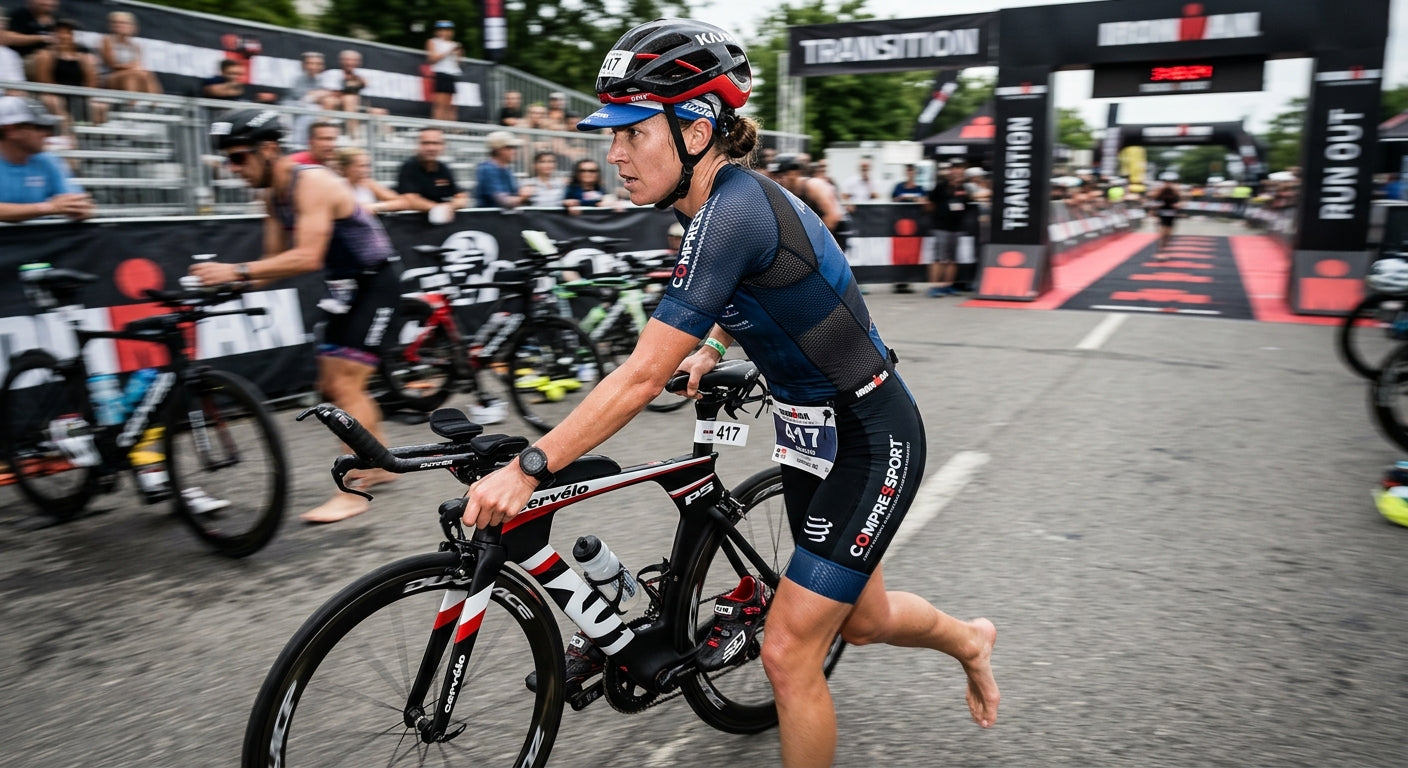
When every second counts, your equipment becomes a vital partner in your performance. First, invest in a high-quality aero trisuit. These are engineered to reduce drag in the wind tunnel, saving you precious minutes during the bike split. Look for suits with integrated pockets for gels, as fumbling for nutrition is a waste of energy and time.
Optimising Comfort and Hydration
Long-distance bib shorts are non-negotiable. You need a chamois that provides enough cushioning for five or six hours in the saddle without causing chafing during the marathon. Pair this with a sophisticated hydration system—specifically, an integrated front-mounted bottle that allows you to drink without leaving your aero position. Staying hydrated while maintaining your aerodynamic profile is the secret weapon of the modern pro-am athlete.

Have a quick training or recovery question?
Get fast expert advice right here on the page—no sign-up, account, or app needed. Try asking Raye: 'What's the best way to relieve tight calves after a run?' Ask a question now
How to Build this into my life
Integrating this level of rigour into a busy life is the real challenge. I find that 'micro-sessions' work best for the working triathlete. If you cannot fit in a four-hour ride, do a high-intensity 90-minute session that mimics race-day power demands. Consistency beats intensity every single time, so prioritise showing up to your workout, even if it’s shorter than planned.
Recovery as a Pillar
You cannot train at this intensity without prioritising recovery. Use your rest days to focus on mobility and nutrition. If your body is constantly in a state of inflammation, your age-graded score will inevitably suffer. Treat your sleep and your post-workout protein intake with the same seriousness you give to your Sunday long run.
The Mental Shift
Finally, embrace the shift in philosophy. The age-graded model rewards the 'all-rounder.' Instead of trying to be the fastest cyclist, aim to be the most consistent triathlete. This requires a balanced approach to training where you don't over-emphasise one discipline at the expense of your overall health. By focusing on steady, incremental improvements, you will find yourself naturally rising in the performance pool rankings.
10 alternative items to try
- Aero Helmet: An aerodynamic helmet is perhaps the single most cost-effective way to save time on the bike course. By smoothing the airflow over your head and shoulders, you can gain significant time advantages without increasing your power output. Ensure it fits your head shape correctly to prevent unnecessary drag.
- Carbon-Plated Running Shoes: These shoes offer superior energy return, which is vital during the final marathon leg of an Ironman. The carbon plate acts as a lever, helping to propel you forward with each stride. They reduce muscle fatigue, allowing you to maintain a faster pace for longer durations under stress.
- Power Meter Pedals: Accurate data is essential for pacing. Power meter pedals allow you to track your output in real-time, ensuring you don't go too hard on the climbs and burn out before the run. This data is critical for calibrating your effort against the age-graded time factor requirements.
- Triathlon-Specific Wetsuit: A suit designed for swimming provides buoyancy where you need it most, helping you maintain a better body position in the water. This reduces drag and saves your legs for the bike. Look for flexible shoulder panels that allow for a natural, uninhibited stroke during the swim.
- Nutrition Strategy Coaching: Sometimes the gear is fine, but the strategy is flawed. Working with a sports nutritionist ensures your fuelling matches your metabolic needs. They can help you calculate exact electrolyte and carbohydrate requirements, preventing the dreaded 'bonk' that ruins many race-day performances in the late stages.
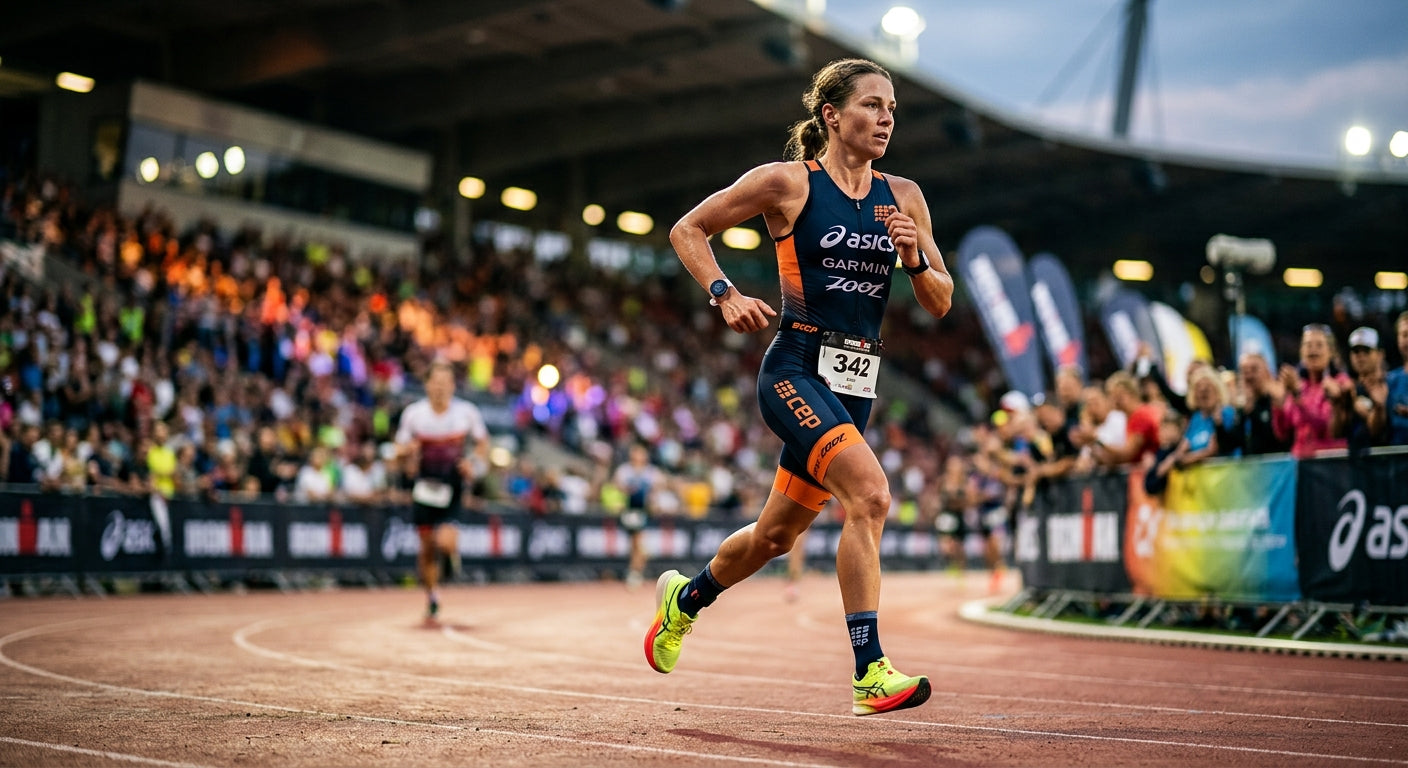
- Compression Socks: Wearing compression socks during the run phase can help improve blood circulation and reduce swelling in the lower limbs. This is especially beneficial for older athletes looking to maintain their speed in the final miles, as it aids in recovery even while you are still moving forward.
- Smart Bike Trainer: A high-end smart trainer allows for precise interval training in the comfort of your home. It simulates outdoor gradients, helping you build the specific leg strength needed for hilly Ironman courses. It is the best way to ensure your training remains consistent regardless of the weather.
- Heart Rate Monitor Strap: While wrist-based sensors are convenient, a chest strap remains the gold standard for accuracy. Keeping a close eye on your heart rate variability and recovery zones helps you avoid overtraining, ensuring you are in peak condition for your target race when qualification slots are on the line.
- Race-Day Lubricant: Never underestimate the importance of anti-chafing balm. In an Ironman, even the smallest irritation can become a massive issue over several hours. Applying a high-quality lubricant to high-friction areas before the race ensures you stay comfortable and focused on your performance rather than your discomfort.
- Recovery Boots: These pneumatic compression devices are excellent for flushing out metabolic waste from your legs after hard training sessions. By speeding up the recovery process, they allow you to hit your next workout with fresh legs, which is essential for consistent, high-quality training throughout your racing season.


