

The Ultimate Guide to Open Water Swimming for Pool Swimmers


Dealing with a nagging injury or tightness?
Get instant recovery guidance, stretching protocols, and rest advice right now without leaving the site. Try asking Raye: 'What are the best stretches to relieve tight calves after a long run?' Get recovery advice
Making the Leap from Lane to Lake
If you have spent your winter months clocking up kilometres in the local leisure centre, you are likely feeling that itch to take your swimming outdoors. There is something truly exhilarating about trading the chlorinated silence of the pool for the vast, unpredictable beauty of an open lake or the rhythmic pulse of the sea. However, the transition can be daunting. The lack of a black line on the bottom, the absence of walls to push off from, and the temperamental nature of British weather all add layers of complexity that require a bit of preparation.
First, take a deep breath. You already possess the technical foundation; now, we just need to adapt your mindset and your kit. Swimming in open water is less about the perfect stroke rate and more about confidence, sighting, and staying calm when the water feels a bit chilly or choppy. It is a brilliant way to build resilience, and for the triathlete, it is the only way to truly prepare for race day.
Step by Step Starting Out
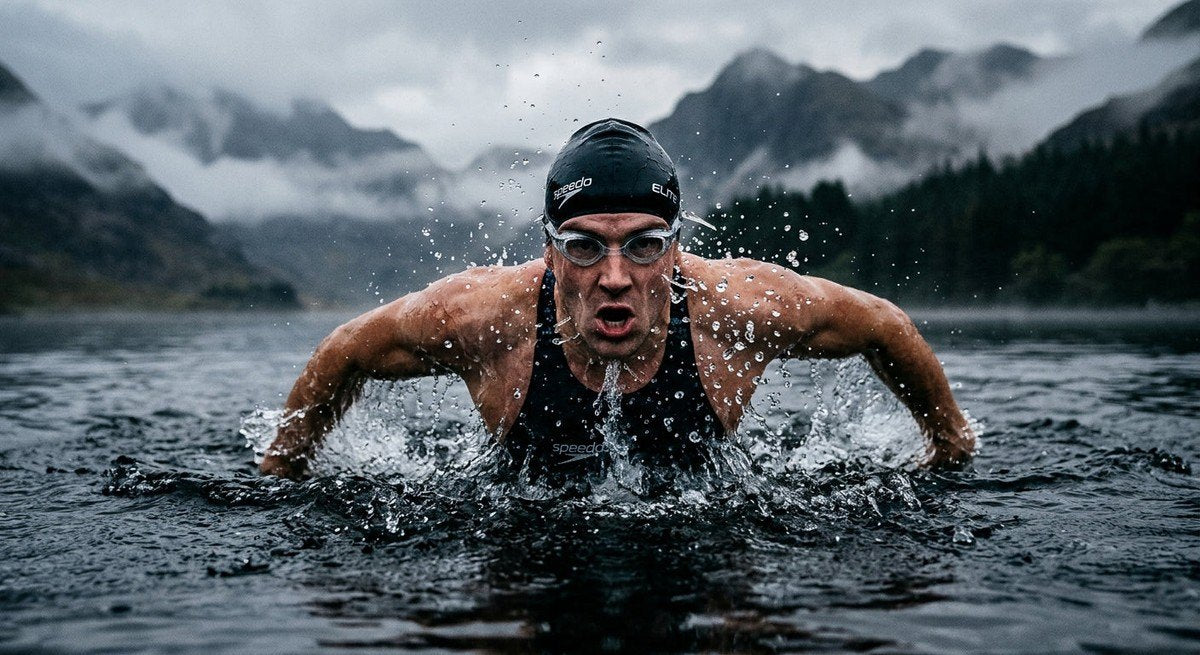
Your first session should never be a solo mission. Always prioritise safety by choosing a venue with a lifeguard or an established swimming community. Start by simply getting comfortable in the water. Wading in slowly allows your body to adjust to the temperature, which helps prevent that initial gasp reflex. Once you are in, spend a few minutes just treading water and acclimatising your face and neck.
Next, focus on your sighting. In the pool, you look down; outdoors, you need to look forward. Practice 'alligator eyes'—lifting just your eyes above the surface to spot a landmark like a tree or a buoy without disrupting your body position. Integrate this into your stroke every six to ten strokes. It feels awkward initially, but it is the secret to swimming in a straight line towards your destination.
Finally, practice your navigation. Pick a point in the distance and try to swim towards it, checking your trajectory frequently. Remember, you do not need to lift your whole head; a tiny peek is all it takes. Once you have mastered sighting, you can start focusing on your pacing, ensuring you are not burning all your energy in the first two hundred metres.
How to Build this into my life
Consistency is key, but you do not need to abandon the pool entirely. I recommend a hybrid approach. Keep two sessions in the pool for technical drills and speed work, and dedicate one weekend session to open water. This allows you to refine your stroke in controlled conditions while building the specific endurance required for the open environment.

Have a quick training or recovery question?
Get fast expert advice right here on the page—no sign-up, account, or app needed. Try asking Raye: 'What's the best way to relieve tight calves after a run?' Ask a question now
To make this a sustainable habit, treat your open water session like a social event. Join a local club or a 'wild swimming' group. Having a friend waiting for you at the water's edge is the best motivation to get out of bed on a grey Saturday morning. Plus, swimming in a group provides an extra layer of safety and makes the experience far more enjoyable.
Listen to your body, particularly when it comes to cold water. If you feel yourself shivering or losing dexterity in your fingers, get out immediately. You can always build up your tolerance over time. Start with fifteen-minute sessions and gradually increase the duration as the season progresses. It is about steady, incremental progress rather than jumping straight into a three-kilometre swim.
Essential Kit
The right gear changes everything. A high-quality wetsuit is your best friend. Look for one specifically designed for swimming, which offers more flexibility in the shoulders than a surfing wetsuit. It provides buoyancy, keeping your legs high in the water, and essential insulation against the chill of the British climate.
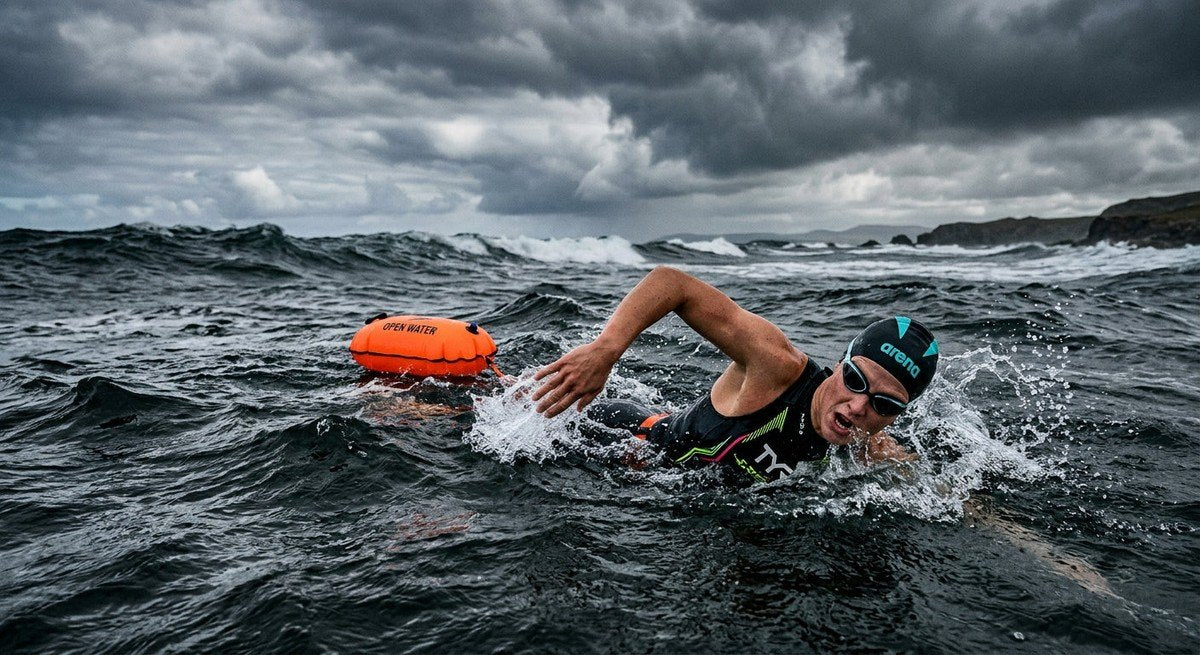
Do not forget a brightly coloured tow float. Not only does it make you visible to boat traffic and fellow swimmers, but it also gives you something to hold onto if you need a quick rest. A good pair of tinted goggles is also vital to reduce glare from the sun, and a silicone cap—or two—will help keep your head warm during those early spring sessions.
Finally, consider a pair of neoprene gloves or booties if you are swimming in colder water. They might feel a bit bulky at first, but they will allow you to stay in the water longer, which is essential for building your fitness. Keep your kit organised in a waterproof bag, and always have a warm, oversized robe or towel ready for the moment you exit the water.
10 alternative items to try
- Neoprene Swim Socks: These are essential for keeping your feet warm during early season lake swims. They provide a snug fit and prevent heat loss, allowing you to focus on your stroke rather than numb toes. They are particularly useful for those sensitive to cold water, ensuring you can extend your time in the water safely.
- Polarised Goggles: Unlike standard goggles, these are designed to reduce glare from the water surface. This is a game-changer for open water swimming, especially on bright days. By cutting out the harsh reflections, you can spot your sighting markers with much greater clarity, helping you maintain a straight line towards your destination.
- Thermal Swim Cap: Made from thicker neoprene, these caps provide significantly more warmth than a standard silicone cap. They are designed to cover your ears, which is crucial for preventing 'swimmer's ear' and keeping your core temperature stable. This is a must-have for any swimmer who plans to train throughout the autumn months in the UK.
- Changing Robe: A thick, fleece-lined changing robe is perhaps the greatest luxury an open water swimmer can own. It allows you to change out of your wet gear in privacy and warmth, regardless of the weather conditions. It is the perfect way to recover your body temperature quickly after a cold, invigorating swim session.
- Anti-Fog Spray: There is nothing more frustrating than your goggles fogging up halfway through a long swim. A small bottle of high-quality anti-fog spray applied before your session ensures crystal-clear vision for the duration. It is a simple, inexpensive addition to your kit bag that significantly improves your confidence and safety in the water.
- Ear Plugs: Specifically designed for swimmers, these plugs help prevent water from entering your ear canal. This is vital for avoiding infections and keeping your balance stable in choppy water. They are comfortable to wear for long periods and are a simple way to protect your long-term ear health during frequent open water training.
- Dry Bag Float: This dual-purpose item serves as both a high-visibility tow float and a waterproof storage bag. You can keep your car keys, phone, and a dry towel inside while you swim. It is an excellent solution for those who swim solo or want to keep their valuables safe and dry while they are training.
- Neoprene Swim Cap (Chin Strap): This specific style of cap includes a chin strap to keep the cap securely in place during rough water or high-intensity training. The added security prevents the cap from slipping, ensuring your head stays warm and your goggles remain firmly in place, even when you are swimming with a powerful front crawl.
- Body Glide Balm: Wetsuit chafing is a common issue for many swimmers, particularly around the neck and underarms. Applying a specialised anti-chafe balm before putting on your suit creates a protective barrier on your skin. It is a small but vital preventative measure that ensures your swim remains comfortable from start to finish.
- Swim Buoy with Light: For those who swim in lower light conditions, such as early mornings or late evenings, a buoy with an integrated LED light is a fantastic safety feature. It ensures you remain highly visible to other water users and helps your support team track your position easily in the darker, more challenging conditions.

