

How to Choose Sunglasses for Water Sports and Triathlon Glare


Need performance advice right now?
Ask our on-site coach anything about your routines. It's completely free and available immediately right here: 'What are 3 quick exercises for ankle mobility?' Ask Raye for free
The Challenge of the Open Water
If you have ever spent time staring into the sun while navigating a choppy bay or rowing across a reflective lake, you know that glare is not just an annoyance—it is a performance killer. For triathletes and water sports enthusiasts, the sun reflecting off the surface can create a blinding whiteout that makes it impossible to spot your next buoy or keep your rhythm. Getting the right eyewear is about more than just looking the part; it is about safety and precision.
I have spent years battling the elements on the water, and I have learned that standard lifestyle shades simply do not cut it. When you are pushing your body to the limit, you need gear that stays put, provides high-contrast vision, and protects your eyes from harmful UV rays that bounce off the water’s surface. Let me walk you through how to curate the perfect setup for your next session.
Step by Step Starting Out
Your first priority must be polarisation. Polarised lenses are non-negotiable for water sports because they filter out the horizontal light waves that cause that nasty, blinding glare. Look for high-quality lenses that offer a base tint specifically designed for aquatic environments, such as a grey or copper base, which helps to neutralise the overwhelming brightness of the sea or lake.
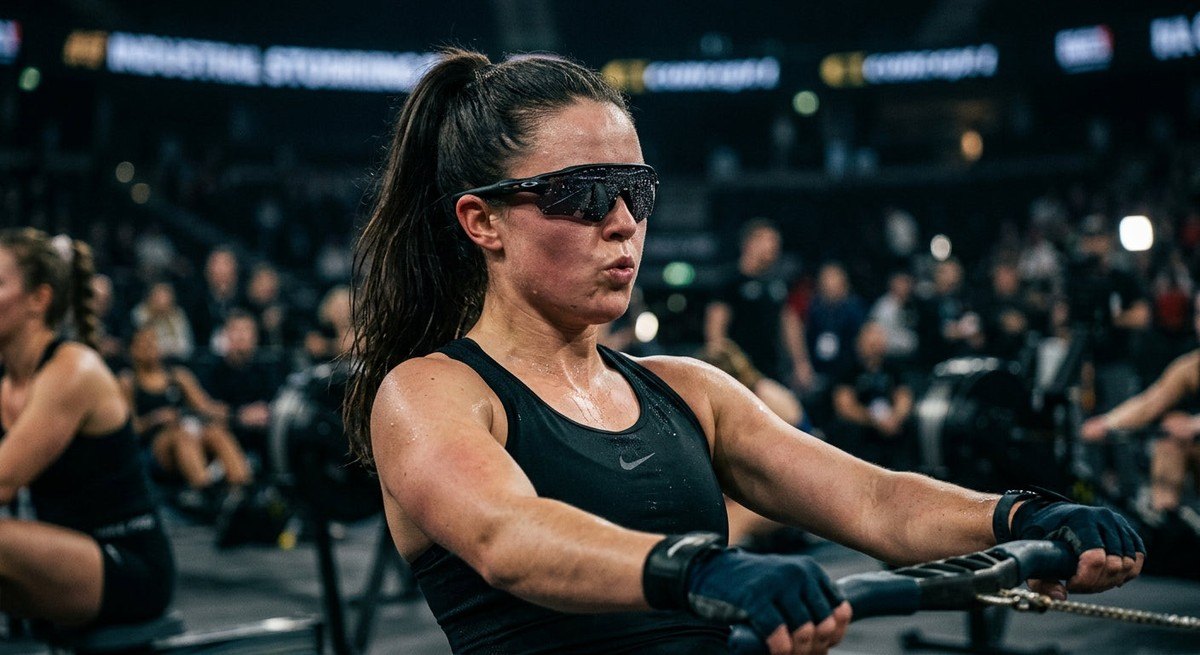
Once you have secured your lenses, focus on the frame geometry. You need a wrap-around design. This is essential for protecting your peripheral vision from light leaks. If light sneaks in around the sides, you will lose the benefit of the polarisation, and you will find yourself squinting even with expensive glasses on. Ensure the fit is snug enough that they won't slip when you are covered in salt spray or sweat.
Finally, check the hydrophobic coatings. The best lenses for water sports are treated to repel water, oil, and sweat. This ensures that when you splash through a wave or break a sweat during a hard row, the water beads off rather than leaving streaks that obscure your vision. It is a small detail, but it makes a massive difference when you are in the middle of a race.
Essential Kit
Beyond the lenses, you need to consider the structural integrity of the frame. Opt for lightweight materials like TR90 nylon or polycarbonate. These are flexible enough to absorb impact but sturdy enough to hold their shape. You want a frame that feels like an extension of your face, not a heavy weight dragging you down.
Do not forget the importance of rubberised nose pads and temple tips. When you are in the thick of a triathlon, you will be moving your head constantly. Hydrophilic rubber grips—which actually become tackier when wet—are a game-changer. They ensure your sunglasses stay locked in place even when the conditions turn rough or your intensity spikes.

Need a clear race fuelling strategy?
Get instant, practical advice on hydration and race-day nutrition directly on this page for free. Try asking Raye: 'How many grams of carbs should I take per hour during a half marathon?' Ask for fuelling advice
Lastly, consider a secure strap or leash. Even the best-fitting glasses can be lost to a rogue wave or an accidental collision during a mass swim start. A lightweight, adjustable neoprene strap is a cheap insurance policy for your expensive optics. It provides peace of mind, allowing you to focus entirely on your stroke rate or your rowing technique.
How to Build this into my life
Consistency is key when it comes to eye health and performance. Start by keeping your eyewear in a dedicated hard case in your transition bag. If your glasses are easily accessible and protected, you will be much more likely to use them for every single training session. Treat them as a vital piece of kit, right alongside your wetsuit or your oars.
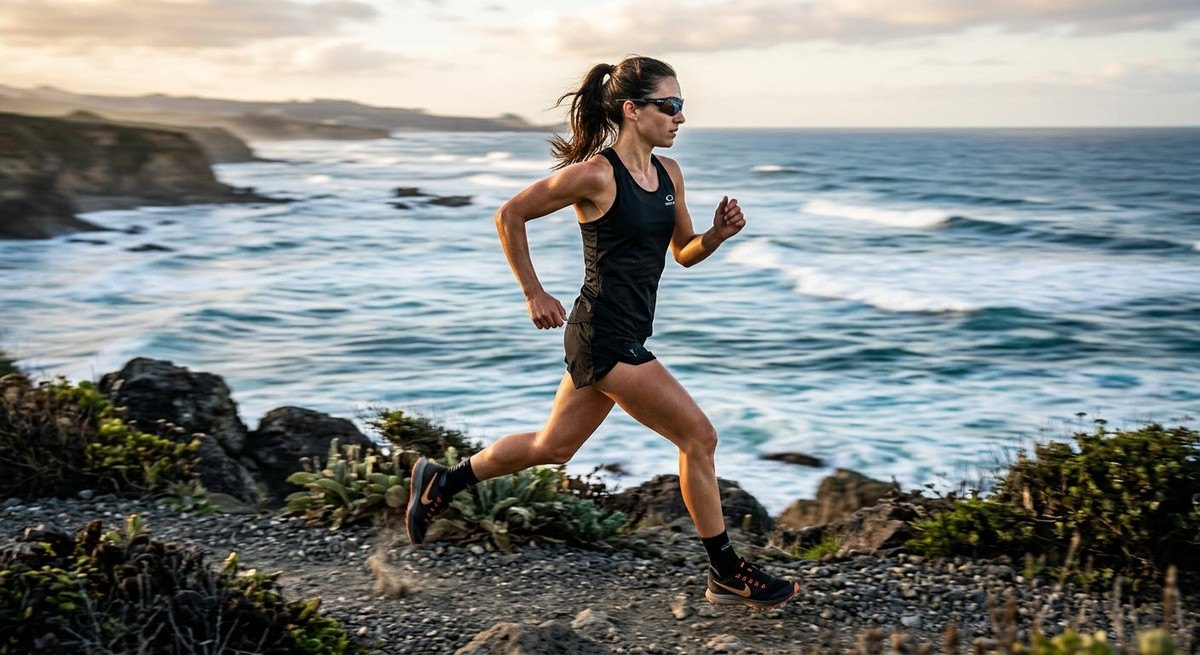
Develop a cleaning routine. Saltwater and chlorine are brutal on optical coatings. Rinse your glasses with fresh water immediately after every use and pat them dry with a clean microfibre cloth. Never leave them baking in a hot car, as the extreme heat can warp the frames and degrade the protective lens coatings over time.
Finally, adjust your gear based on the conditions. If you are training in overcast weather, a lighter tint might be better to maintain depth perception, whereas bright, sunny days demand a darker, high-contrast lens. Having a couple of interchangeable lens options will make you a much more versatile athlete, ready to tackle any environment the weather throws at you.
10 alternative items to try
- Oakley Split Shot: These offer a Prizm Deep Water lens which is specifically engineered to filter out the shades of blue that drown out vision on the water, while boosting greens and reds. They include an integrated leash, making them perfect for high-intensity rowing or kayaking where losing gear is a constant risk.
- Costa Del Mar Fantail Pro: Known for their superior 580G glass lenses, these provide incredible clarity and scratch resistance. The frame features sweat management channels that direct moisture away from your eyes, ensuring you remain comfortable during long endurance sessions on the water, whether you are paddleboarding or training for a triathlon.
- Smith Optics Guide's Choice: These are built for the serious water athlete. The ChromaPop technology enhances colour definition, allowing you to see contrast in the water that you would otherwise miss. The frames are incredibly durable, and the temple tips are designed to stay secure even when soaked in saltwater or intense perspiration.
- Rudy Project Rydon: A favourite among triathletes for their adjustability. You can customise the nose pads and temple tips to fit your face shape perfectly, which is essential for comfort during a long race. The interchangeable lens system allows you to swap from sunny day lenses to low-light options in seconds.
- Bolle Kayman: These glasses are designed with the water in mind, featuring a floating frame technology. If they happen to fall into the drink, they won't sink to the bottom. This is a brilliant safety feature for anyone spending time on deep water, offering both protection and the practical benefit of easy retrieval.
- Julbo Renegade: These frames are designed for those who move between the water and the shore. They offer a stylish look but with the technical grip required for active sports. The lenses provide excellent glare reduction and a wide field of vision, which is crucial for spotting obstacles in choppy, open water conditions.
- Tifosi Vero: A great budget-friendly option that doesn't compromise on performance. They offer decent polarisation and a lightweight, durable frame that stays put during movement. They are an excellent entry-level choice for those just starting to take their open water training seriously and wanting reliable protection without spending a fortune.
- Maui Jim Waterways: Renowned for their PolarizedPlus2 technology, these lenses wipe out glare while enhancing colour like no other. They are built for those who spend their lives on the ocean, offering robust protection against the harsh elements while maintaining a sophisticated aesthetic that works well both on and off the water.
- Spy Optic Frazier: These feature the Happy Lens technology, which is designed to boost mood and alertness, something every athlete can appreciate during a tough workout. The frames are lightweight and feature a high-wrap design that keeps the sun from creeping in at the edges, ensuring your focus remains on the race.
- Goodr Wrap Gs: If you want something fun and affordable that still does the job, these are a fantastic pick. They provide a secure fit and polarised lenses at a fraction of the cost of premium brands. While they might lack some of the advanced tech, they are perfect for casual training and recreational use.


