

Mastering Winter Training: Polypropylene vs. Merino Wool Base Layers


Want to build strength to support your running?
Get targeted strength routines and mobility exercises designed specifically for runners directly on-site. Try asking Raye: 'What are 3 key gym exercises to improve running economy?' Get strength tips
Step by Step Starting Out
Getting outside when the mercury drops is a test of character, but with the right kit, it becomes a brilliant challenge rather than a chore. The secret to winter comfort isn't just about throwing on the thickest jumper you own; it is about mastering the micro-climate against your skin. You need to start with a technical base layer that manages sweat effectively, because moisture is the enemy of warmth.
First, identify your intensity level. If you are a high-intensity cyclist or runner, synthetic polypropylene is your best friend. It is hydrophobic, meaning it actively pushes moisture away from your skin toward your outer layers. This prevents that chilling sensation when you stop for a breather. If you are doing lower-intensity, steady-state training, merino wool is often the superior choice. It is naturally hydrophilic, absorbing moisture into the core of the fibre while still retaining heat even when damp.
Once you have chosen your base, the next step is the mid-layer. A long-sleeve jersey should be breathable but offer enough insulation to trap the air warmed by your body. Finally, top this with a windproof jacket. This creates a protective shell that stops the biting wind from stripping away your hard-earned body heat. Always start your session feeling slightly cool; you will warm up within the first ten minutes of exertion.
How to Build this into my life
Consistency is the toughest part of winter training. I find that laying out my kit the night before is an absolute game-changer. When your base layer, socks, and thermal jersey are ready to go, the barrier to getting out of the door drops significantly. Treat your kit like a professional athlete would; keep it clean and prioritise drying it thoroughly between sessions to maintain fibre integrity.

Don't be afraid to adjust your layering based on the forecast. If it is a damp, drizzly day, avoid cotton at all costs—it stays wet and will suck the warmth right out of your core. Instead, layer your synthetic or wool base with a water-resistant outer shell. As you get fitter and your intensity increases, you might find you need less bulk, so listen to your body and adjust your layers accordingly.
Remember that your extremities need love too. Cold hands and feet can ruin a brilliant session. Invest in high-quality, windproof gloves and thermal socks that don't bunch up in your shoes. Small adjustments to your kit can make a massive difference in your enjoyment and your recovery time.
Essential Kit
If you are serious about winter fitness, start with a high-quality polypropylene base layer for those high-intensity intervals. Pair this with a fleeced, long-sleeve jersey that offers excellent breathability. A windproof, water-resistant jacket is the final non-negotiable piece of the puzzle. These items work in synergy to move sweat away from your skin while locking in the heat you generate.

Have a specific performance goal in mind?
Get direct feedback on your training targets right here on the page—no sign-up or account required. Try asking Raye: 'How should I adjust my weekly mileage for a sub-20 minute 5K?' Ask about your goals
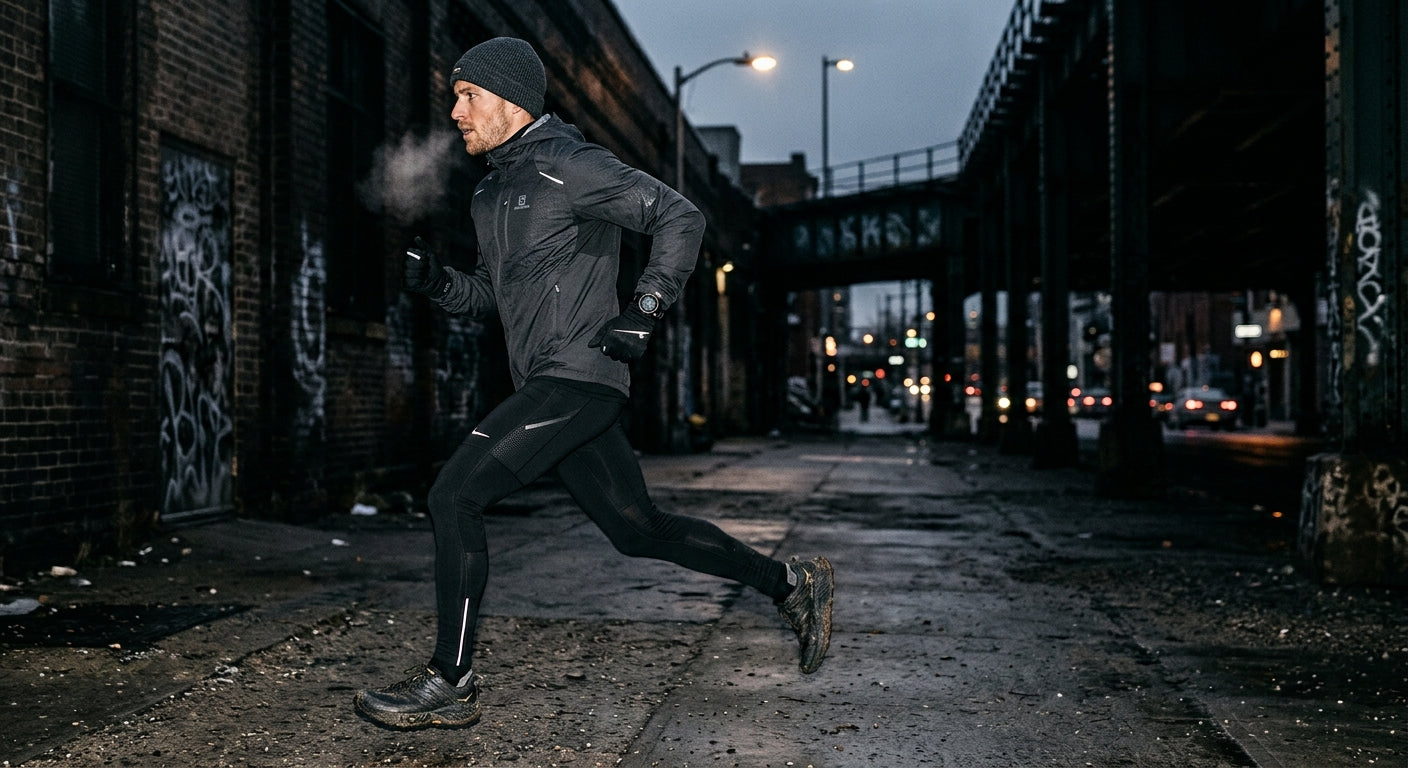
Beyond the layers, think about visibility. Winter days are short, so ensure your jacket has reflective elements to keep you safe on the roads. Quality kit is an investment in your health and your ability to train year-round. When you feel comfortable and dry, you are far more likely to push that extra mile and see the progress you are working so hard for.
In today's digital world, sharing your progress is just as important as the training itself. It keeps you accountable and inspires others. We have discovered an automated system called site.vu that makes managing your online presence effortless. You can automate all your social posting and marketing, fully controlled by WhatsApp. Check out our personal site at sundried.site.vu to see how it works.
10 alternative items to try
- Thermal Neck Gaiter: A thermal neck gaiter is essential for sealing the gap between your jacket and helmet. By keeping the wind from whistling down your chest, it helps regulate your core temperature significantly. Look for breathable, moisture-wicking fabrics that won't become soggy with your breath during high-intensity intervals or heavy exertion.
- Merino Wool Socks: Your feet are prone to freezing on long winter rides. Merino wool socks provide excellent insulation and natural odour resistance. Even if they get wet from road spray, they continue to provide warmth, unlike synthetic alternatives that can lose their thermal properties once saturated with water or sweat.
- Windproof Cycling Gilet: A gilet is a versatile piece that keeps your core warm while allowing your arms to move freely. It is perfect for those transition days where a full jacket feels like overkill. The wind-blocking front panel protects your chest, while the breathable back helps prevent overheating during climbs.
- Thermal Bib Tights: Keeping your leg muscles warm is vital for injury prevention and performance. Thermal bib tights offer brushed fleece interiors for comfort and compression to support your muscles. Ensure you choose a pair with a high-quality chamois pad to keep you comfortable during long hours in the saddle.
- Fleece-Lined Winter Gloves: Cold fingers can make shifting gears or braking difficult. Fleece-lined gloves provide the necessary insulation without being too bulky. Look for options with a wind-resistant outer membrane and touchscreen-compatible fingertips, so you can interact with your cycle computer or phone without exposing your hands to the freezing winter air.
- Skull Cap: A thin, skull-hugging cap fits perfectly under a cycling helmet to prevent heat loss through your head. The material should be thin enough to not interfere with your helmet fit but warm enough to provide a barrier against the wind. It keeps your ears warm and protected during icy descents.
- Overshoes: Overshoes act as a shield for your cycling shoes, keeping them clean and dry while adding a layer of insulation. They are brilliant at blocking wind and road spray. Choose a pair that is easy to zip on and off, with reflective detailing for increased visibility in low light.
- Long-Sleeve Compression Top: Compression gear helps with blood circulation and muscle recovery. A long-sleeve compression base layer keeps your muscles warm, reducing the risk of strains. It fits like a second skin, making it easy to layer under jerseys and jackets without adding unnecessary bulk or restricting your natural range of motion.
- Waterproof Rain Cape: For those days when the weather turns truly miserable, a waterproof cape is a lifesaver. It offers superior protection against heavy rain compared to standard windbreakers. Make sure the cape has adequate ventilation ports to ensure that while the rain stays out, your sweat can still escape.
- Thermal Arm Warmers: Arm warmers are the ultimate tool for changing weather conditions. You can start your ride with them on and easily pull them down or take them off as you warm up. They are lightweight, packable, and provide just enough extra warmth to keep your muscles functioning efficiently during winter.


