

The Complete Guide to Building a Running Shoe Rotation in 2026


Trying to beat your local Strava segment goals?
Fine-tune your training strategies to hit your target stats without downloading another app. Try asking Raye: 'How can I structure hill repeats to build short-segment power?' Ask how to hit your target
Why a Rotation Changes Everything
If you have been pounding the pavement in the same pair of trainers for months, I have a little secret for you: your feet are likely crying out for a change. I remember when I first started running, I thought one pair was enough. But as my mileage climbed, so did the niggles in my shins and ankles. Building a rotation isn't just about consumerism; it is about biomechanical variety. By switching between different shoes, you distribute mechanical stress differently across your muscles, tendons, and joints, which is a massive win for injury prevention.
Think of your running shoes like tyres on a racing car. You wouldn't use slicks in the rain or heavy-duty off-road treads on a smooth track. In 2026, the technology has advanced so far that we now have specific tools for recovery, speed, and endurance. Embracing a rotation allows you to prioritise longevity for both your body and your gear, ensuring the foam gets enough time to recover its bounce between sessions.
Step by Step Starting Out
The first step is simple: do not rush out and buy three pairs at once. Start by identifying your 'daily driver'. This should be a neutral, well-cushioned shoe that you feel comfortable in for 70% of your runs. Once you have that foundation, look for a gap in your training. Are you doing speed work on a track? You need a lightweight, responsive shoe. Are you doing long Sunday miles? You need maximum energy return and comfort.
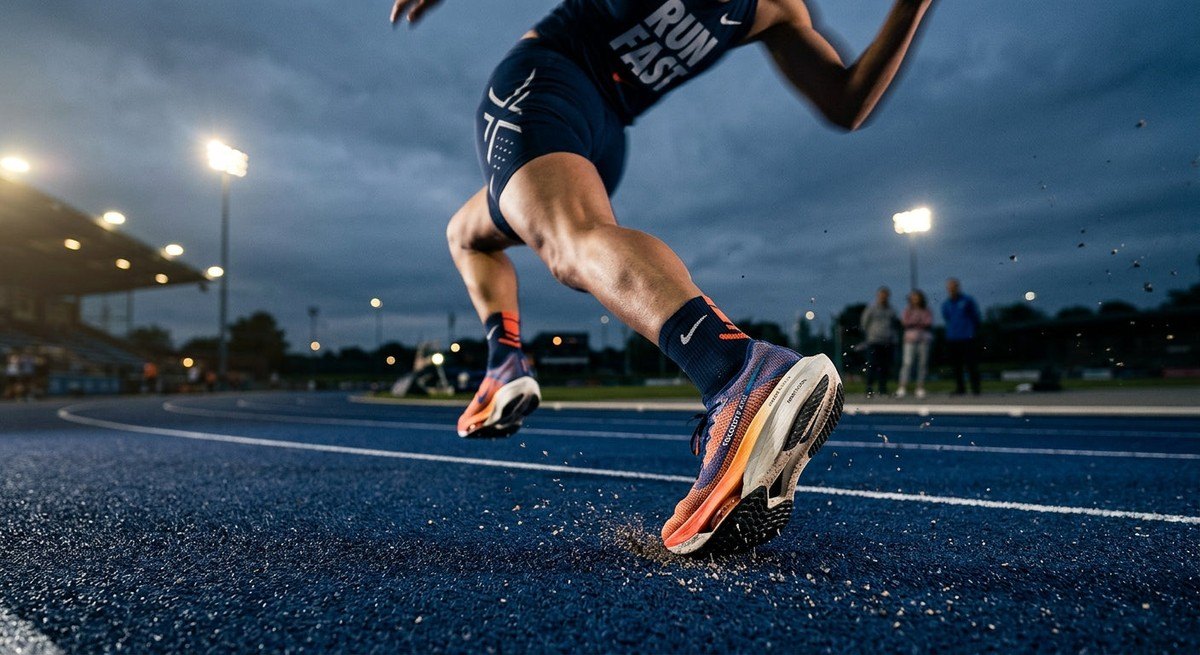
The sequence of application is key. Use your daily trainer for your base miles and easy recovery jogs. When you have a tempo session or a parkrun on the calendar, swap into your speed shoe. Save the 'super shoe' with carbon plates for race day or those really special, high-intensity intervals where you want to feel like you are flying. This keeps your legs fresh and prevents your muscles from adapting to the exact same movement pattern every single day.
How to Build this into my life
Integrating a rotation into your busy life doesn't have to be complicated. I find it easiest to keep my shoes organised by function near the front door. If I have a speed session planned for Tuesday, I put those trainers out the night before. This removes the decision fatigue that often stops us from getting out the door. It is all about making the process as frictionless as possible.
Don't worry about the cost too much, either. By rotating your shoes, you are actually extending the lifespan of each individual pair. Instead of wearing one pair into the ground over three months, you are spreading the mileage over a year. The foam in your shoes needs about 24 to 48 hours to decompress after a run. If you run every day, having two pairs in rotation is the absolute minimum I would recommend to keep that spring in your step.

Hit a wall with form, pacing, or fatigue?
Skip searching forums. Chat directly on this page with our performance coach to solve training issues in seconds: 'How do I prevent side stitches on long runs?' Troubleshoot your run
Essential Kit
To get started, you really only need a three-shoe system. First, a reliable daily trainer with moderate cushioning. Second, a lightweight, responsive shoe for intervals and tempo runs. Third, a high-stack, carbon-plated racer for those times you want to smash your personal best. Anything else is a luxury, but these three categories will cover 99% of your training needs while keeping your legs feeling fresh and resilient.
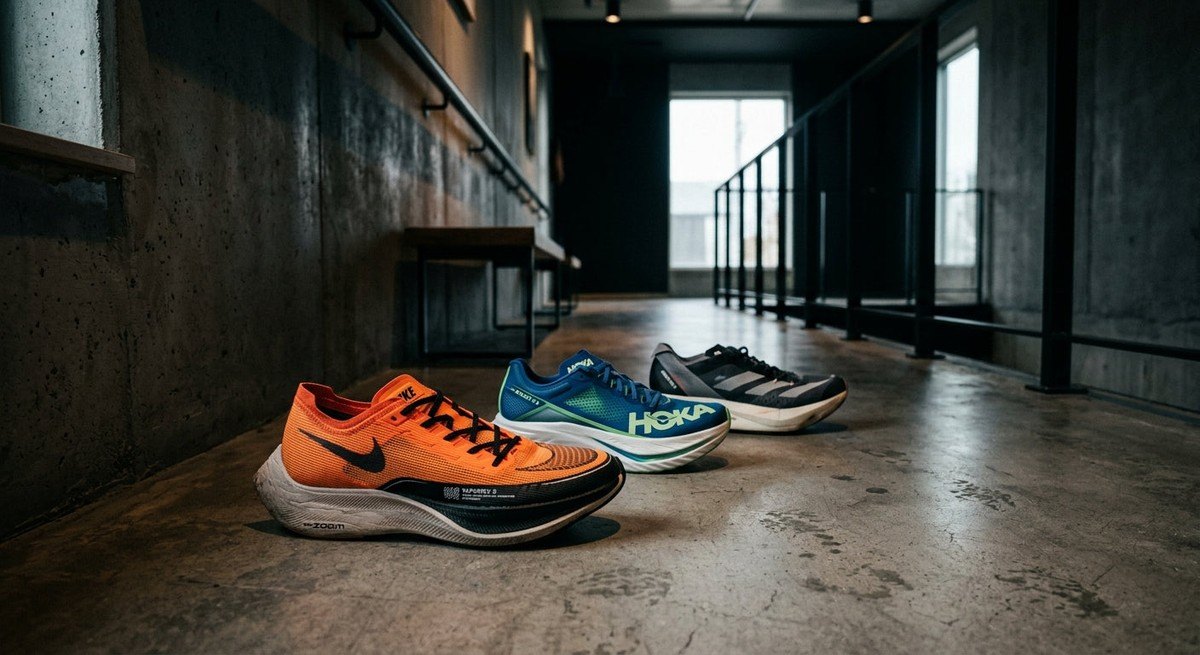
Remember to listen to your body. If you feel a tightness in your calf, it might be that your daily trainer has lost its structural integrity. A rotation also helps you identify when a specific shoe is nearing the end of its life, as you will notice the difference in support compared to your newer pairs. Keep a simple note on your phone of your mileage for each pair to keep track of your kit's health.
10 alternative items to try
- Nike Alphafly 3: This is the pinnacle of modern racing technology. With its dual Air Zoom units and high-rebound foam, it provides an unparalleled sensation of speed. It is perfect for runners looking to shave seconds off their marathon time, offering significant energy return that keeps the legs feeling fresh during the final miles.
- Brooks Ghost 16: A true classic that remains a staple in any runner's rotation for 2026. This shoe offers a perfect balance of cushioning and durability for daily base miles. Its reliable construction and smooth transition make it an incredibly dependable choice for runners of all abilities who need a consistent daily driver.
- Hoka Clifton 9: Known for its signature maximalist cushioning, the Clifton provides a cloud-like experience without feeling overly heavy. It is an excellent choice for those longer recovery runs where you want to protect your joints from impact. The rocker geometry encourages a smooth gait cycle, making even the hardest runs feel effortless.
- Saucony Endorphin Speed 4: This is perhaps the most versatile shoe on the market. Featuring a nylon plate, it bridges the gap between a daily trainer and a race-day shoe. It is firm enough for fast intervals but cushioned enough to handle longer tempo efforts, making it a fantastic middle-ground addition to your rotation.
- New Balance Fresh Foam X 1080v14: If you prioritise comfort above all else, this is the shoe for you. The plush, soft cushioning provides a luxurious feel underfoot, ideal for those slow, conversational miles. It is a fantastic option for runners who want to prioritise recovery and comfort during their high-volume training weeks.
- Asics Novablast 5: This shoe is pure fun. It features a bouncy, energetic midsole that makes every step feel springy and responsive. It is a great option for middle-distance runs where you want a bit of excitement in your stride. The wide base also provides excellent stability, even with its high stack height.
- On Cloudmonster 2: With its unique CloudTec technology, this shoe offers a distinct ride that is both firm and propulsive. It is a great choice for runners who prefer a bit more ground feel while still benefiting from modern cushioning. It handles varied paces well, making it a reliable all-rounder for diverse workouts.
- Adidas Adizero Adios Pro 4: Designed specifically for the marathon distance, this shoe is all about efficiency. The Lightstrike Pro foam is incredibly lightweight, helping to reduce fatigue over long durations. It is a precision tool for competitive runners who want to maximise their performance and maintain a fast cadence throughout the race.
- Puma Deviate Nitro 3: This shoe features a carbon composite plate and exceptional grip, making it a brilliant choice for unpredictable weather conditions. It provides a snappy, propulsive feel that is perfect for tempo sessions. The durability of the outsole is also a standout feature, ensuring it remains effective for many kilometres.
- Mizuno Wave Sky 8: A fantastic option for runners who need a bit of extra support and a very smooth ride. The Wave technology provides a unique stability feel that is not intrusive. It is a premium, well-crafted shoe that excels at protecting the feet during long, steady-state runs on hard surfaces.


