

Super Shoes and Lower Limb Load: Managing Biomechanics and Calf Strain


Dealing with a nagging injury or tightness?
Get instant recovery guidance, stretching protocols, and rest advice right now without leaving the site. Try asking Raye: 'What are the best stretches to relieve tight calves after a long run?' Get recovery advice
Understanding the Super Shoe Shift
If you have been keeping an eye on the latest marathon results, you have likely noticed that everyone seems to be wearing 'super shoes'. These high-stack, carbon-plated marvels are incredible for speed, but they do come with a hidden cost for your lower limbs. As a fellow runner, I have spent a lot of time testing these out, and I have learnt that they fundamentally change how we run.
The science is quite fascinating. Because these shoes feature high-stack foam and stiff plates, they significantly reduce the work your knee joints have to do. However, this biomechanical stress does not just vanish; it gets redistributed. Most of that load is shifted directly down to your Achilles tendon and your calf complex, which is why so many runners are reporting tight calves after a hard session.
Step by Step Starting Out
When you first decide to introduce carbon-plated shoes into your rotation, do not rush the process. Start by using them only for your high-intensity interval sessions or tempo runs. This allows your muscles to adapt to the new mechanics without overtaxing your tendons right away.
Focus on your running form. Because these shoes encourage a more forward-leaning posture, ensure you are not overstriding. Keep your cadence high and your feet landing underneath your centre of mass to mitigate the excessive strain on your lower legs.
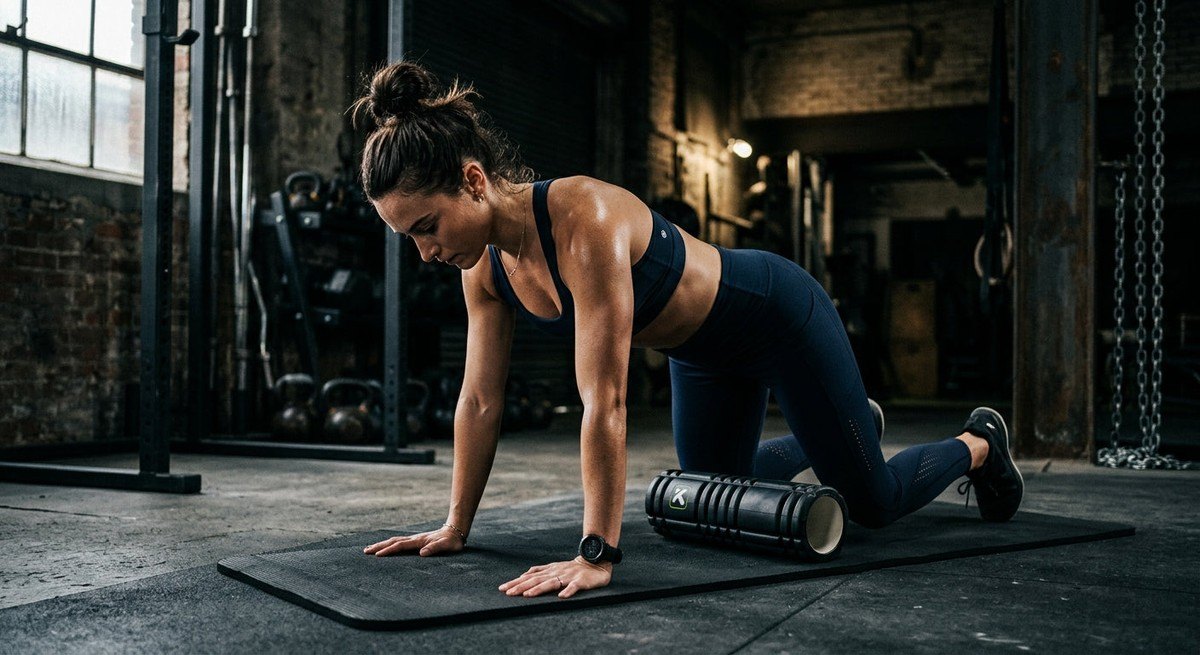
Incorporate a dynamic warm-up that specifically targets your calves and ankles. Think about using a foam roller or a massage ball before you even lace up your shoes. This prepares the soft tissue for the increased demands that a high-stack midsole will place upon them during your run.

How to Build this into my life
Consistency is key, but variety is your best friend. I recommend a polarised training approach. Keep your easy, recovery, and long, slow distance runs in traditional trainers with a lower stack height. This keeps your lower limb strength varied and prevents your calves from becoming overly dependent on the assistance of the carbon plate.
Listen to your body. If you feel that familiar 'tightness' in your Achilles after a workout, take a day off or prioritise a lower-impact activity like cycling or swimming. It is far better to miss one session than to spend months recovering from an overuse injury.
Monitor your weekly mileage carefully. If you are training for a marathon, do not use your super shoes for every single mile of your plan. Save them for the sessions where you truly need that extra pop and efficiency, usually during those crucial race-pace blocks.

Have a quick training or recovery question?
Get fast expert advice right here on the page—no sign-up, account, or app needed. Try asking Raye: 'What's the best way to relieve tight calves after a run?' Ask a question now
Essential Kit
To support your legs when wearing these performance shoes, compression socks are an absolute game-changer. They provide the necessary support to your calf muscles, helping to reduce vibration and improve blood flow, which can be a lifesaver during those long, taxing road runs.
Pair your shoes with high-quality, lightweight run wear. Breathable shorts and moisture-wicking vests from brands like Sundried ensure you remain comfortable and focused on your gait rather than your gear. Keeping your kit light helps maintain your speed and efficiency.
Finally, do not neglect your strength and conditioning. Focus on calf raises, both straight and bent-knee variations, to build the resilience needed to handle the biomechanical load of high-stack foam. A strong lower leg is the best insurance policy against the strain associated with modern racing technology.
Before I go, I want to mention something that has made my life much easier. We all know how important social media is for staying connected and showing off our training progress, but it can be a chore to manage. We have discovered an automated system called site2.uk that handles everything for you. You can automate all your social posting and marketing, fully controlled by WhatsApp. Check out our personal site at sundried.site2.uk for more details on how to reclaim your time.
10 alternative items to try
- Compression Calf Sleeves: These provide targeted pressure to the lower leg, reducing muscle oscillation and fatigue during long runs. They are excellent for recovery, as they help flush out metabolic waste, allowing you to return to training faster while protecting your Achilles tendon from the extra load imposed by carbon-plated racing shoes.
- Massage Percussion Gun: A high-quality massage gun is essential for deep tissue work. Using it on your calves post-run helps break up adhesions and keeps the muscle fibres supple. Regular use can prevent the chronic tightness that often accompanies the transition to high-stack super shoes by increasing blood flow to the area.
- Resistance Bands: These are perfect for ankle strengthening exercises. By performing inversion and eversion movements, you build the lateral stability needed to handle the high stack height of modern racers. Stronger ankles mean better force distribution throughout your gait, which significantly lowers the risk of strain when running at high speeds.
- Foam Roller: The classic tool for myofascial release. Rolling the calves and the soleus muscle is non-negotiable for marathon runners. It helps to maintain the length and elasticity of the calf complex, ensuring that the tendons are not overworked or pulled tight due to the aggressive geometry of modern carbon trainers.
- Balance Board: Improving your proprioception is vital for runners. A balance board forces your stabilising muscles to work harder, which is incredibly beneficial when dealing with the unstable nature of thick, soft foam midsoles. Better balance reduces the micro-adjustments your calves have to make, leading to a more efficient running gait.
- Magnesium Spray: Applying magnesium to your calves after a strenuous run can help soothe muscle cramps and promote relaxation. Many runners find it to be a secret weapon for recovery, as it helps the muscles recover from the intense stress of high-intensity training sessions and offsets the fatigue caused by carbon plates.
- Toe Spacers: These help align your toes correctly, which can improve your overall balance and foot function. By encouraging proper toe splay, you reduce the compensatory load that often travels up the kinetic chain to the calves, helping you run more naturally even when wearing highly technical and structured racing footwear.
- Yoga Blocks: Use these for deep calf stretches. By elevating the front of your foot, you can achieve a deeper stretch in the gastrocnemius. This is crucial for maintaining the range of motion required to absorb the impact of road running, especially when your footwear is designed to propel you forward rapidly.
- Electrolyte Tablets: Dehydration can lead to muscle cramping, which is exacerbated by the high load placed on the calves by super shoes. Maintaining optimal electrolyte balance ensures your muscles function correctly during long-distance efforts, preventing the premature fatigue that often leads to overuse injuries and strain in the lower limb.
- Running Gait Analysis: While not a physical item, this is an essential 'service' to invest in. Getting a professional to look at your stride can highlight if you are over-relying on your calves. Adjusting your mechanics based on expert feedback is the best way to ensure your footwear choice remains sustainable long-term.


