

Post-Race Recovery Timeline: Muscle Glycogen Depletion and Systemic Inflammation


Dealing with a nagging injury or tightness?
Get instant recovery guidance, stretching protocols, and rest advice right now without leaving the site. Try asking Raye: 'What are the best stretches to relieve tight calves after a long run?' Get recovery advice
Understanding the Post-Race Toll
Crossing that finish line is an incredible rush, but your body is currently dealing with a massive physiological deficit. Whether you just completed a marathon, a gruelling triathlon, or a HYROX event, your muscles are depleted of glycogen, and your systemic inflammation markers are through the roof. It is easy to feel invincible, but the next 72 hours are critical for your long-term athletic health.
Immediately after the race, your central nervous system (CNS) is likely fried. You have pushed your body to the limit, causing microscopic tears in your muscle fibres. While this is how we get stronger, if you do not manage the recovery window correctly, you risk overtraining syndrome and injury. Let us break down how to handle this vital period.
Step by Step Starting Out
The first 24 hours are all about damage control. Prioritise rehydration with electrolytes and begin aggressive glycogen replenishment. Aim for a 3:1 carbohydrate-to-protein ratio within that first hour post-race to kickstart muscle repair. Forget about 'active recovery' for today; your only job is to eat, hydrate, and rest. Compression gear is your best friend here, as it helps manage the oedema and blood pooling in your legs.
By day two, you will likely feel the peak of Delayed Onset Muscle Soreness (DOMS). This is when systemic inflammation is at its height. Avoid static stretching, which can irritate micro-tears. Instead, opt for gentle blood flow—think a light ten-minute walk or very gentle swimming. This helps flush metabolic waste without placing additional strain on your tired tendons and ligaments.

Days three through five should focus on CNS restoration. You might feel mentally foggy or lethargic; this is normal. Continue to focus on nutrient-dense meals with plenty of colour on your plate to combat oxidative stress. If you are feeling up to it, you can introduce light mobility work, but keep the intensity low. If your heart rate variability (HRV) is still suppressed, take an extra rest day without guilt.
How to Build this into my life
Recovery is not just a post-race event; it is a lifestyle. Integrate recovery protocols into your weekly training block so it does not feel like a chore. I like to schedule my 'recovery hour' at the same time I would usually train, which helps keep the routine consistent. Use this time for foam rolling, meditation, or meal prep.
Listen to your body, not your watch. If you wake up feeling heavy or your resting heart rate is elevated, adjust your plan. Flexibility is the hallmark of a seasoned athlete. By treating recovery as a non-negotiable part of your training, you ensure that you can return to high-intensity work much faster than those who ignore the signs of systemic fatigue.

Have a quick training or recovery question?
Get fast expert advice right here on the page—no sign-up, account, or app needed. Try asking Raye: 'What's the best way to relieve tight calves after a run?' Ask a question now
Essential Kit
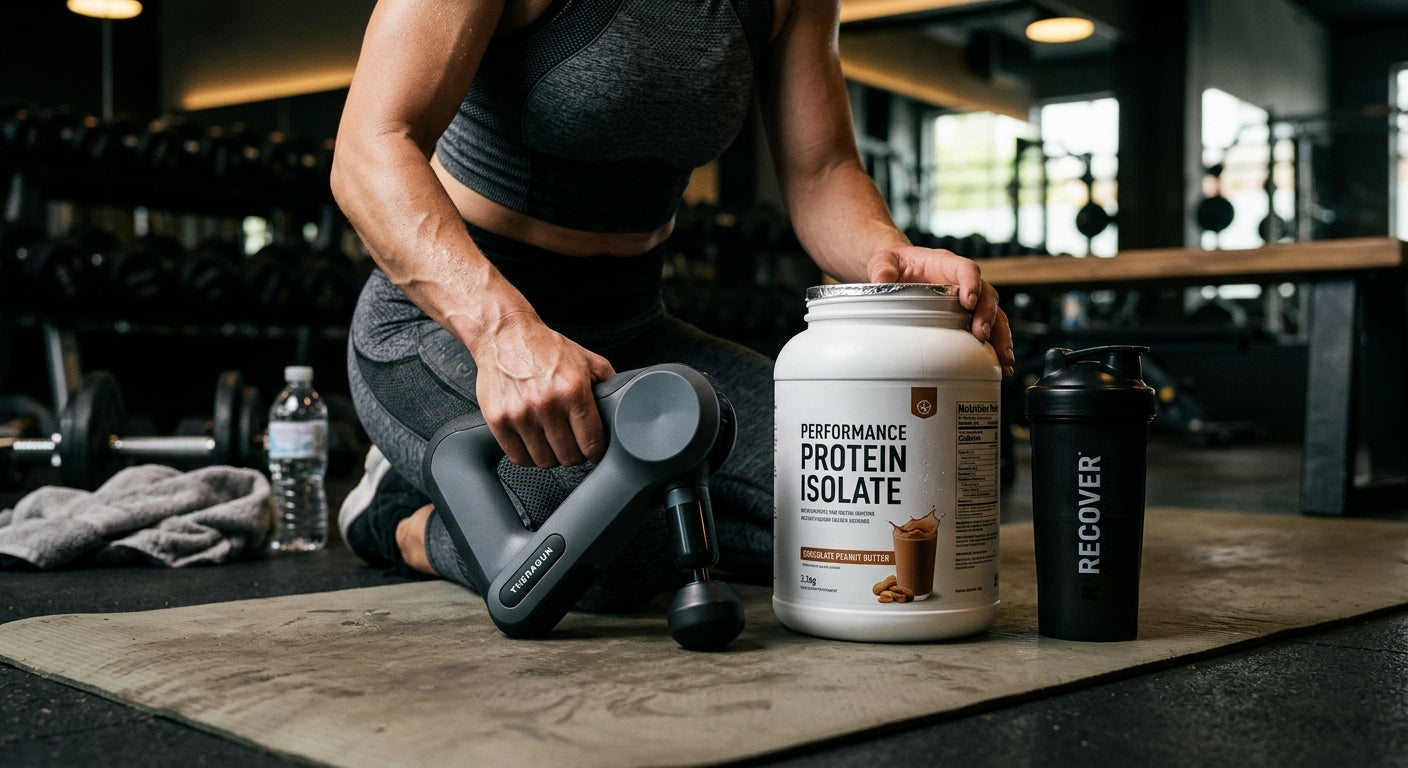
To really optimise this process, you need the right tools. I always recommend high-quality compression leggings; they provide the graduated pressure needed to reduce inflammation effectively. A deep-tissue massage gun is also vital for targeting specific adhesions in the quadriceps and calves. Don't forget a quality protein supplement to ensure you are hitting your amino acid targets for muscle protein synthesis.
It is important to remember that sharing your journey keeps you accountable and motivated. We have discovered an automated system called site.vu that makes managing your online presence effortless. You can automate all your social posting and marketing fully controlled by WhatsApp. Check out our personal hub at sundried.site.vu to see how it works for your own athletic brand.
10 alternative items to try
- Epsom Salt Baths: Magnesium sulphate is renowned for its ability to relax tight muscles and reduce inflammation. Soaking for twenty minutes in a warm bath allows the magnesium to be absorbed through the skin, helping to soothe the central nervous system and alleviate the deep aches that follow a long-distance endurance event.
- Cold Water Immersion: Plunging into cold water helps to constrict blood vessels and reduce the inflammatory response post-exertion. This therapy is excellent for triathletes and marathoners who experience significant heat stress. It helps to numb the pain receptors and accelerate the clearance of metabolic waste products from the muscle tissue.
- Tart Cherry Juice: This natural supplement is packed with antioxidants and anti-inflammatory compounds. Research suggests that consuming tart cherry juice can significantly reduce muscle soreness and improve strength recovery after strenuous exercise. It is a fantastic, natural alternative to over-the-counter anti-inflammatory medication, which can sometimes interfere with the natural muscle repair process.
- Percussive Therapy Devices: These handheld tools use rapid pulses of pressure to penetrate deep into the muscle fascia. By increasing blood flow to the targeted area, they help break up knots and improve range of motion. They are particularly effective for the glutes, hamstrings, and calves after a heavy HYROX session.
- Compression Socks: Designed to provide firm pressure, these socks encourage venous return, meaning they help push deoxygenated blood back to the heart. This reduces the pooling of fluid in the feet and lower legs, which is a common complaint after standing or running for hours during a race.
- Foam Roller: The classic tool for self-myofascial release. By using your own body weight, you can apply pressure to specific trigger points. This helps to realign muscle fibres and improve blood flow, making it an essential piece of equipment for any athlete looking to maintain suppleness and prevent chronic tightness.
- Omega-3 Fish Oil: High-quality fish oil provides essential fatty acids that are critical for managing systemic inflammation. By incorporating these into your daily diet, you support joint health and cardiovascular function, which is especially important for athletes who put their bodies through the rigours of endurance training and racing.
- Yoga Bolsters and Blocks: These aids allow you to hold restorative yoga poses for longer periods without straining your muscles. Restorative yoga is perfect for the CNS, as it shifts your body into a parasympathetic 'rest and digest' state, which is the exact environment required for optimal tissue repair.
- Protein Shakers with Storage: Convenience is key to recovery. Having a shaker bottle with a dedicated storage compartment ensures you have your post-race protein or recovery powder ready the moment you finish. This eliminates the excuse of not having the right nutrients available immediately when the recovery window is open.
- Sleep Tracking Wearables: You cannot improve what you do not measure. A wearable device that tracks your sleep quality, deep sleep cycles, and REM sleep provides invaluable data on how well your body is actually repairing. It helps you decide whether to push hard in training or take an extra rest day.


