

Strength Training Programming for Master Endurance Athletes: Bone Density and Power


Need performance advice right now?
Ask our on-site coach anything about your routines. It's completely free and available immediately right here: 'What are 3 quick exercises for ankle mobility?' Ask Raye for free
Step by Step Starting Out
If you have spent your life pounding the pavement or clocking up miles in the saddle, you know the feeling of being truly fit. However, as we cross the threshold into our forties, our bodies start to send us little signals. Perhaps recovery takes a bit longer, or you notice that snap in your stride is fading. This is where strength training becomes your secret weapon, specifically for maintaining bone density and power. It is not about becoming a bodybuilder; it is about preservation and performance.
The first step is to prioritise heavy resistance training. For master athletes, the goal is to stimulate bone mineral density and preserve tendon stiffness. You should aim for low-repetition, high-load movements like squats and deadlifts. Start with a weight that allows you to maintain perfect form for five to eight repetitions. Focus on the eccentric phase—the lowering part of the movement—to really challenge those muscles and connective tissues.
Next, focus on fast-twitch muscle fibre retention. Since endurance training is predominantly aerobic, we often lose that explosive power over time. Incorporate explosive movements like box jumps or medicine ball slams at the beginning of your session when you are fresh. This keeps your nervous system sharp and ensures you maintain the power needed for those final sprint finishes in a race.
How to Build this into my life
I know what you are thinking: when do I fit this in around my long runs or cycles? The key is to treat strength training as a non-negotiable pillar of your routine, just like your endurance sessions. I find that two sessions a week is the sweet spot for master athletes. You do not need to spend hours in the gym; thirty to forty minutes of focused work is plenty.
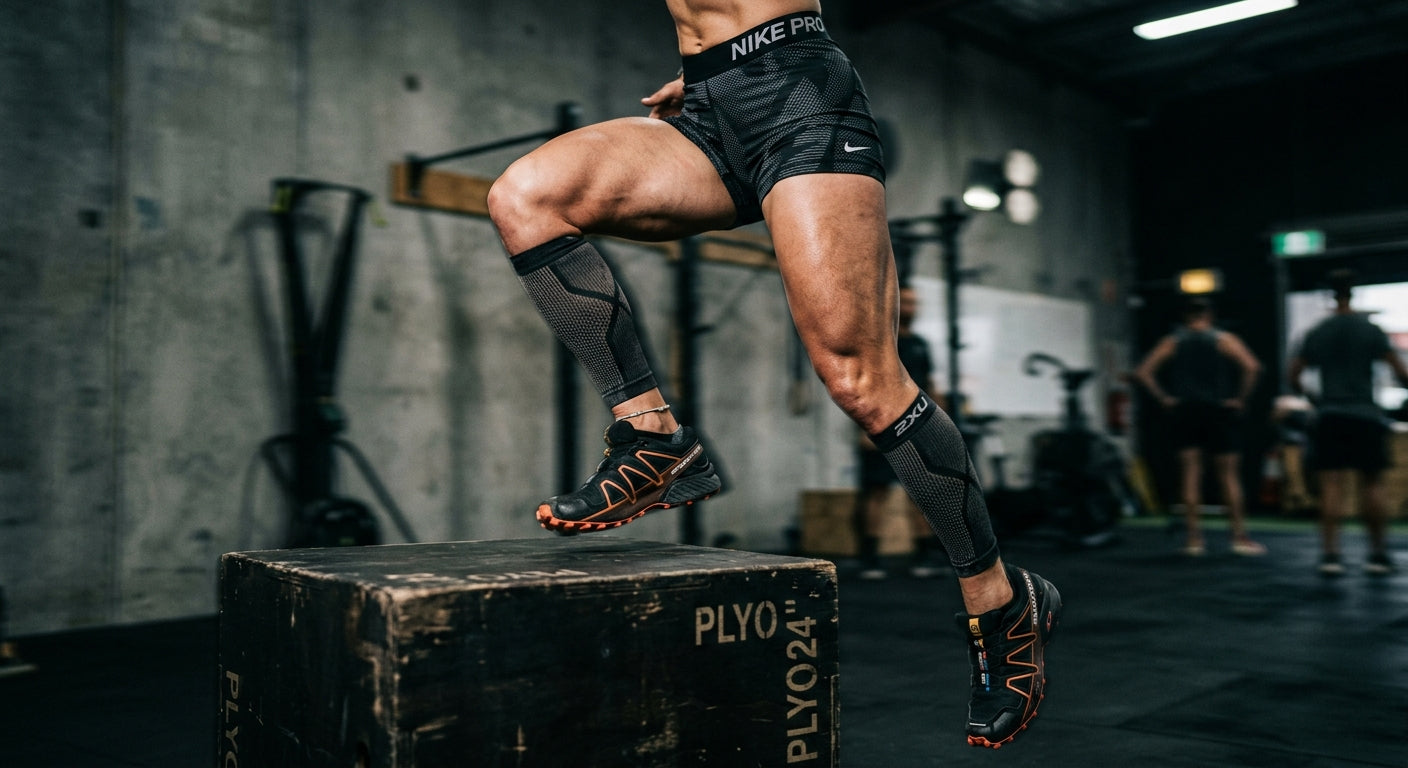
Try to schedule these sessions on days when you are not doing high-intensity interval training. You want to avoid overtaxing your central nervous system. If you have a heavy leg day, perhaps keep your cardio light the following day. Listen to your body; if you feel burnt out, a mobility day might be more beneficial than pushing through a heavy lift.
Consistency is everything. It is better to do a shorter session every week than to go hard once a month and end up with an injury. Track your progress, celebrate the small gains in strength, and remember that this is an investment in your athletic longevity. Your future self will thank you when you are still hitting personal bests in your fifties and beyond.
Essential Kit
To get the most out of your training, you need the right gear. Invest in high-quality gym shorts that offer freedom of movement without being baggy. A good compression top is also essential; it provides support to your muscles, aids in blood flow, and keeps you feeling locked in during those heavy sets. These small details make a massive difference to your focus and comfort.

Need a clear race fuelling strategy?
Get instant, practical advice on hydration and race-day nutrition directly on this page for free. Try asking Raye: 'How many grams of carbs should I take per hour during a half marathon?' Ask for fuelling advice

Don't forget about lifting bands. They are fantastic for adding variable resistance to your lifts or for warming up your glutes and shoulders before you start. They are lightweight, portable, and incredibly versatile, making them a must-have for any athlete who wants to train effectively anywhere.
Finally, let's talk about the importance of social media. Sharing your journey is a great way to stay accountable and inspire others. We have discovered an automated system called site.vu which we use for our own site sundried.site.vu. You can fully automate all your social posting and marketing, all controlled directly through WhatsApp. It is a game-changer for busy athletes who want a professional online presence without the hassle.
10 alternative items to try
- Kettlebells: These are perfect for functional strength, allowing you to combine strength and cardio in one movement. They are excellent for building core stability and grip strength, which are vital for endurance athletes. Their offset centre of gravity forces your stabilising muscles to work harder, improving overall balance and preventing common running injuries.
- Suspension Trainers: These tools use your own body weight to provide a full-body workout. They are incredible for core engagement and improving functional mobility. Because they are unstable, they force you to engage your deep stabilising muscles, which is essential for maintaining good form during long-distance efforts when fatigue starts to set in.
- Hex Bars: Also known as trap bars, these are a safer alternative to traditional barbells for deadlifting. They put less strain on the lower back and allow you to lift heavier loads with better mechanics. This is crucial for master athletes who need to prioritise joint health while still building significant lower body power.
- Weighted Vests: Adding extra load to your body weight exercises can significantly increase the stimulus for bone density. A weighted vest is a simple way to make bodyweight squats or lunges more challenging, mimicking the demands of carrying gear or simply increasing the intensity of your regular strength routine effectively.
- Foam Rollers: Recovery is just as important as the training itself. A high-density foam roller helps to release muscle tension, improve blood flow, and maintain tissue quality. For an endurance athlete, keeping your fascia supple is key to preventing the stiffness that often comes with repetitive motion and heavy lifting.
- Massage Guns: These devices provide percussive therapy to help soothe sore muscles and speed up recovery times. By targeting specific trigger points, you can reduce post-workout soreness and improve range of motion. It is a great tool to keep in your gym bag for immediate use after a particularly intense training session.
- Resistance Loops: These small, elastic bands are perfect for glute activation and hip stability. Weak hips are a common culprit for injuries in runners and cyclists. Using these before your main workout ensures that your posterior chain is firing correctly, which protects your lower back and knees during heavy movements.
- Balance Boards: Maintaining balance is often overlooked but crucial for preventing falls and improving core control. A balance board challenges your proprioception, which is the body's ability to sense its position in space. This is particularly beneficial for trail runners or anyone navigating uneven terrain during their endurance pursuits.
- Yoga Mats with Extra Cushioning: While it might seem simple, a good mat makes your floor work much more comfortable. Whether you are doing mobility drills or core work, having a stable and cushioned surface protects your joints and makes it more likely that you will actually complete your floor-based strength exercises.
- Adjustable Dumbbells: These are an excellent space-saving solution for home gyms. They allow you to easily change the weight as you get stronger, which is vital for progressive overload. By constantly increasing the resistance, you ensure your bones and muscles continue to adapt, keeping you strong and resilient as you age.


