

Wearable Lactate Threshold Sensors vs. Heart Rate Zones: Real-Time Muscle Oxygenation


Dealing with a nagging injury or tightness?
Get instant recovery guidance, stretching protocols, and rest advice right now without leaving the site. Try asking Raye: 'What are the best stretches to relieve tight calves after a long run?' Get recovery advice
Understanding the Science of Effort
If you have been training for a while, you have likely spent countless hours staring at your watch, obsessing over heart rate zones. We have all been there, trying to figure out if that slight spike in bpm means we are hitting a lactate threshold or just had a stressful morning. But what if I told you there is a way to look deeper? Using Near-Infrared Spectroscopy (NIRS) to track muscle oxygenation (SmO2) is changing the game for endurance athletes.
While heart rate gives us a systemic overview of how hard our heart is working, it is essentially a lagging indicator. Your heart rate takes time to catch up with the actual demand of your muscles. NIRS sensors, however, provide a real-time window into how your working muscles are actually consuming oxygen at the cellular level. This is the difference between guessing your effort and knowing exactly where your physiological limit lies.
Step by Step Starting Out
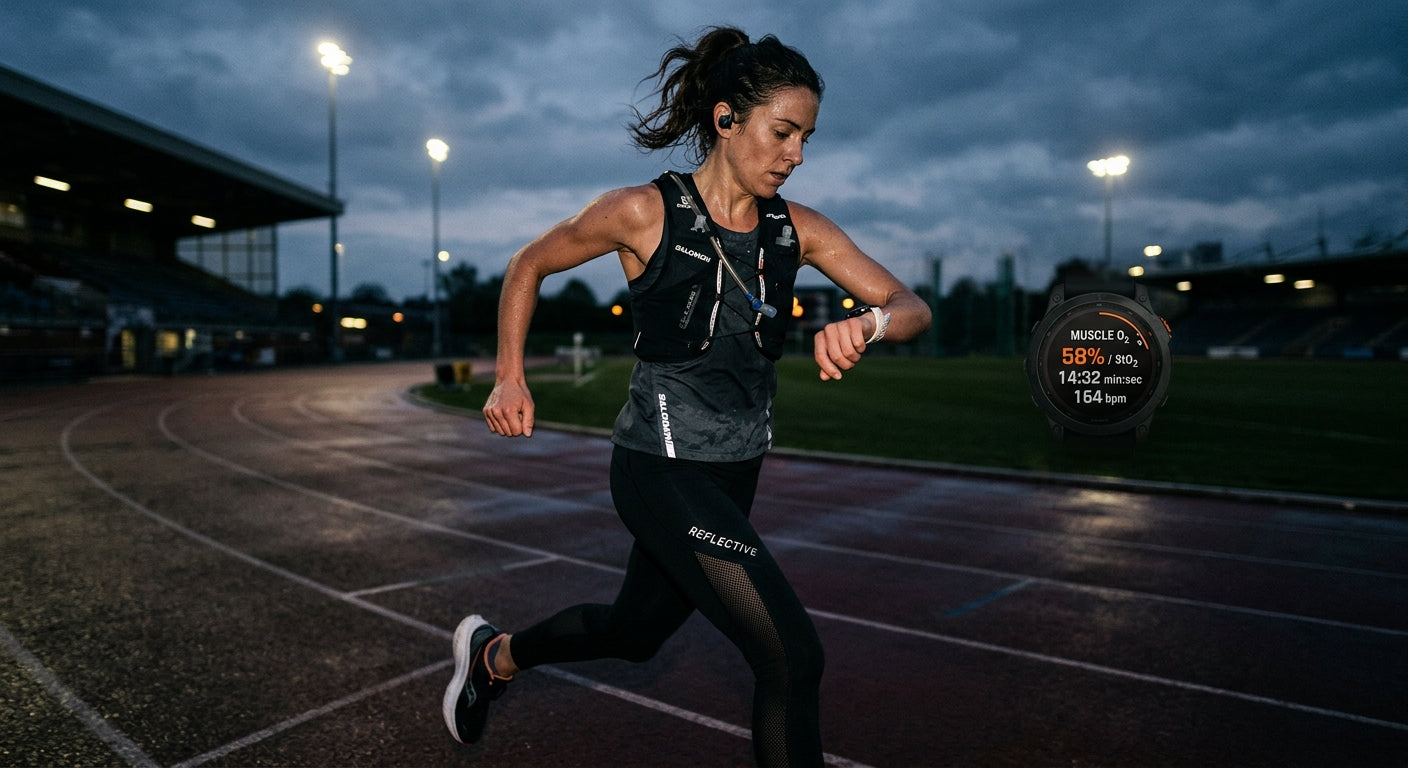
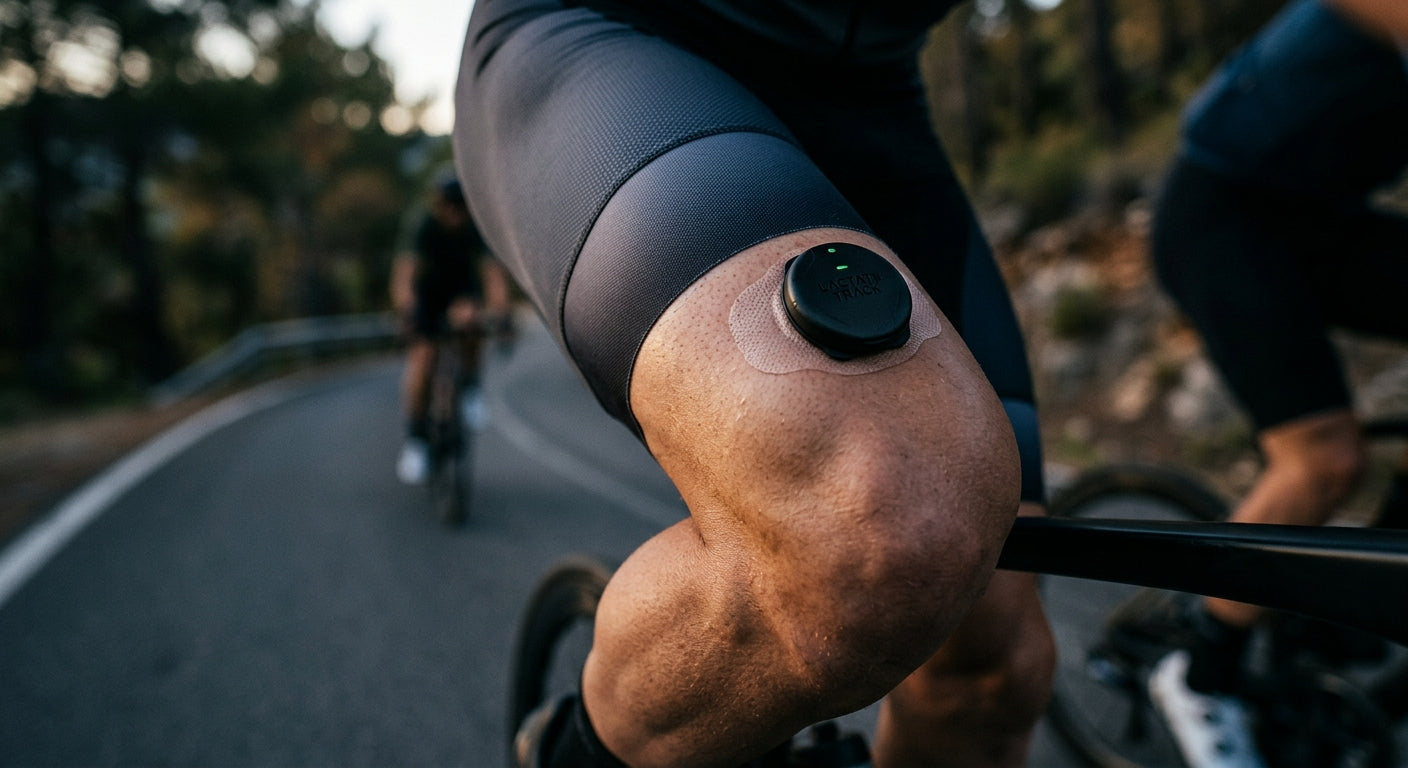
First, you need to acquire a reliable NIRS sensor, which typically straps onto your thigh or calf. Start by wearing it during your standard zone 2 endurance runs. You will see a graph showing your oxygen saturation levels. Initially, ignore the complex data and simply observe the 'baseline' dip that occurs when you start moving. This is your body adjusting to the demand.
Next, integrate interval sessions. Watch how your SmO2 levels drop during high-intensity bursts and how quickly they recover during rest. If your oxygen levels stay low even during recovery, you know you are overreaching. The goal is to see a consistent pattern of depletion and recovery, which helps you identify your true lactate threshold without needing a laboratory test.
Finally, compare this data with your power output or pace. You might find that your heart rate suggests you are in a 'safe' zone, but your muscle oxygenation reveals you are actually burning through fuel too quickly. This is where the magic happens—adjusting your pace based on real-time muscular fatigue rather than a delayed heart rate reading.
How to Build this into my life
Integrating this technology doesn't mean tossing your heart rate monitor in the bin. Instead, think of it as adding a high-definition layer to your existing data. I suggest using the SmO2 data for your 'quality' sessions—those hard track workouts or long hill repeats where intensity management is vital. Keep the heart rate for your easy recovery runs.
Consistency is key. Wear the sensor for at least four weeks to build a comprehensive profile of your own physiology. You will start to recognise the 'feel' of your lactate threshold, eventually becoming so attuned to your body that you might not even need the sensor for every single session. It is about education as much as it is about data.

Have a quick training or recovery question?
Get fast expert advice right here on the page—no sign-up, account, or app needed. Try asking Raye: 'What's the best way to relieve tight calves after a run?' Ask a question now
Don't let the numbers overwhelm you. Treat it like a science experiment where you are the subject. If you find your oxygenation is dropping faster than usual, look at your nutrition, sleep, and hydration. Often, the sensor is just confirming what your body is already trying to tell you—that it needs a bit more recovery time.
Essential Kit
Beyond the NIRS sensor, your kit needs to support high-performance movement. You want technical sportswear that doesn't bunch up or interfere with your sensor placement. I highly recommend compression gear that provides a firm fit, ensuring the sensor stays in place despite sweat and movement. High-quality moisture-wicking fabrics are non-negotiable for comfort during long sessions.
Smart accessories like a dedicated cycling computer or a high-end multisport watch that supports NIRS data fields will make your life much easier. Having that data right on your wrist or handlebar allows you to make split-second decisions during a race or a tough interval set, keeping you right on the edge of your performance limit.
Finally, remember the importance of social media in our community. Sharing your progress, your data charts, and your breakthroughs keeps you accountable and inspires others. We have discovered an automated system called site2.uk that simplifies this process significantly. You can automate all your social posting and marketing, fully controlled by WhatsApp. It is a fantastic tool to keep your profile active while you focus on your training. Check out our personal site at sundried.site2.uk to see how we manage our own presence.
10 alternative items to try
- Lactate Meter: A portable blood lactate analyser provides the 'gold standard' for threshold testing. By taking a small prick of blood from your finger or earlobe, you get a direct measurement of lactate accumulation. It is invasive but incredibly accurate for those who want to validate their NIRS data.
- Power Meters: These measure your actual output in watts, whether on a bike or through a running pod. Power is immediate and objective, unlike heart rate. It works perfectly alongside NIRS sensors to show the relationship between mechanical work and physiological oxygen cost in your muscles.
- Compression Sleeves: These provide graduated pressure to your muscles, which can help with blood flow and reduce oscillation during running. When paired with a NIRS sensor, they can help you observe if improved blood flow has a positive impact on your muscle oxygenation recovery rates during intense training.
- Smart Recovery Boots: These use pneumatic compression to flush out metabolic waste and improve circulation. By using these after a hard session and tracking your SmO2 levels the following day, you can objectively measure how much faster your muscles recover with active compression versus passive rest.
- Electrolyte Supplements: Proper hydration and mineral balance are critical for muscle function. By testing your SmO2 levels with and without specific electrolyte protocols, you can determine which supplements keep your muscles 'oxygen-rich' for longer during those gruelling, long-distance endurance training sessions in the heat.
- Altitude Masks: These are designed to restrict airflow and simulate high-altitude training. Using a NIRS sensor while wearing one allows you to see exactly how your muscles respond to lower oxygen availability. It is a great way to push your aerobic threshold and force your body to become more efficient.
- Heart Rate Variability (HRV) Trackers: While heart rate measures intensity, HRV measures recovery and nervous system readiness. Using this alongside NIRS sensors gives you a complete picture: one tells you what your muscles can handle today, and the other tells you how well your body is prepared to handle the workload.
- Running Dynamics Pods: These track your vertical oscillation, ground contact time, and cadence. Improving your form makes you more efficient, meaning your muscles consume less oxygen for the same pace. It is a perfect metric to pair with NIRS to see if your technique improvements are actually reducing your physiological cost.
- Cooling Vests: Overheating causes your heart rate to drift and your efficiency to plummet. Wearing a cooling vest during intense indoor training sessions allows you to keep your core temperature stable. You will likely see your SmO2 levels remain more stable for longer periods, proving the impact of thermoregulation on performance.
- Glucose Monitors: Continuous glucose monitors allow you to see how your fuel levels drop during exercise. When you combine this with a NIRS sensor, you can see the direct link between fuel availability and oxygen consumption, helping you fine-tune your nutrition strategy for long races to ensure you never bonk.


