

Understanding Shoe Drop and Stack Height: A Runner's Handbook


Trying to beat your local Strava segment goals?
Fine-tune your training strategies to hit your target stats without downloading another app. Try asking Raye: 'How can I structure hill repeats to build short-segment power?' Ask how to hit your target
Understanding the Basics
If you have ever spent time wandering through a running shop, you have likely been bombarded with terms like 'drop' and 'stack height'. It can feel a bit like learning a new language, but I promise that once you grasp these concepts, you will be able to make much smarter choices for your feet. Think of your running shoes as the most important piece of gear in your kit; understanding their geometry is essentially like fine-tuning your engine.
So, what actually is stack height? Simply put, it is the amount of material between your foot and the road. A higher stack height offers more cushioning, which can be brilliant for absorbing the impact of long road runs. Conversely, a lower stack height provides a more grounded, responsive feel, allowing you to connect better with the terrain beneath your feet.
Then we have the drop, which is the difference in height between the heel and the forefoot. This is often measured in millimetres. A high drop shoe, typically around 10-12mm, encourages a heel strike, while a low drop or 'zero-drop' shoe promotes a more natural mid-foot landing. Finding your preference is key to keeping those pesky niggles at bay.
Step by Step Starting Out
If you are new to this, my best advice is to start slow. Do not rush out and buy a pair of super-thin racing flats if you are used to plush, maximalist trainers. Your calves and Achilles tendons need time to adapt to a lower drop. Start by incorporating a lower-drop shoe into just one of your weekly recovery runs.
As you get comfortable, you can gradually increase the frequency. Listen to your body; if you feel unusual tension in your lower legs, that is your cue to dial it back. There is no prize for forcing a transition that your body isn't ready for yet. Patience is your best friend when tinkering with your footwear setup.
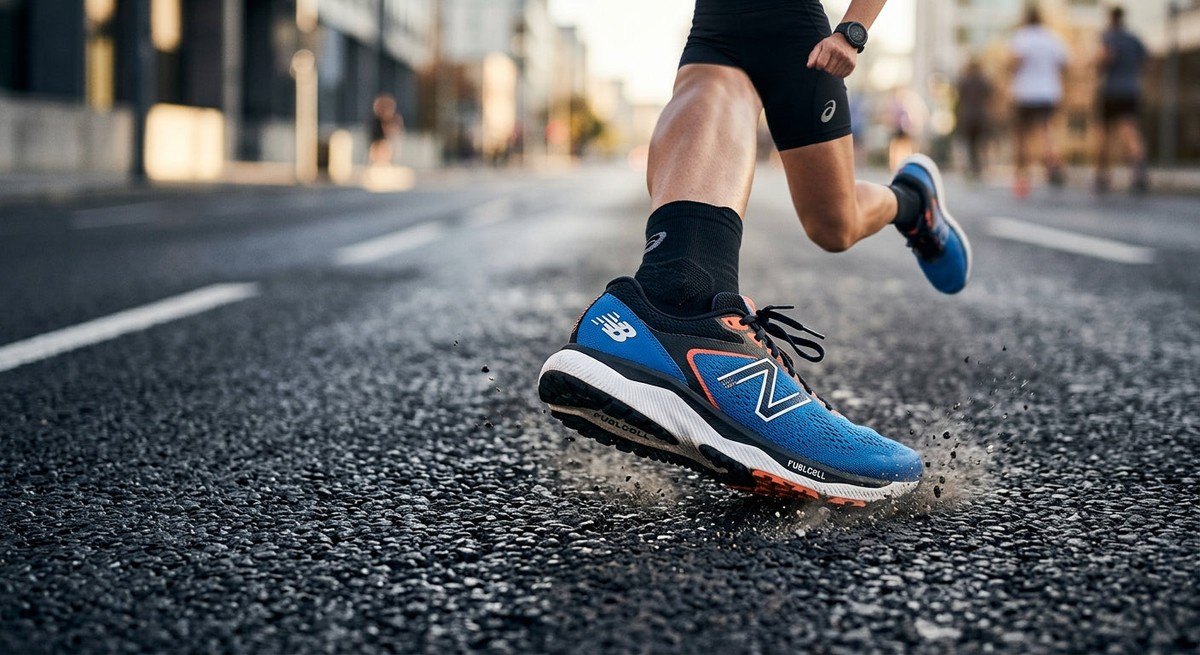
Once you have spent a few weeks rotating your shoes, pay attention to how your legs feel the day after a run. Are you feeling fresh, or are you carrying extra fatigue in your ankles? This feedback is invaluable. It helps you determine whether you prefer the protection of a high stack or the agility of a lower one.
How to Build this into my life
I find that keeping a simple running log is the best way to manage this. Note down which pair of shoes you used for each session and how your body responded. Over a month or two, patterns will emerge. You might notice that your long, slow weekend runs feel better in a high-stack shoe, while your speed work benefits from something lower and firmer.
Don't be afraid to have a rotation. Most of us benefit from having at least two pairs of trainers on the go. This allows you to vary the stress placed on your joints and muscles, which is a fantastic way to prevent overuse injuries. It also extends the lifespan of your shoes, as the midsole foam gets time to decompress between runs.

Hit a wall with form, pacing, or fatigue?
Skip searching forums. Chat directly on this page with our performance coach to solve training issues in seconds: 'How do I prevent side stitches on long runs?' Troubleshoot your run
Prioritise consistency over perfection. You don't need a different shoe for every single day of the week, but having a stable trainer for daily miles and a more responsive pair for faster efforts creates a balanced approach. It makes the sport more enjoyable when you know you have the right tool for the job.

Essential Kit
Beyond the shoes themselves, consider the surface you are running on. A trail runner might prioritise ground feel to navigate uneven paths, while a marathoner might choose maximum cushioning to save their legs over forty-two kilometres. Your kit should always serve the goal you are currently chasing.
Always ensure your shoes are replaced every 400 to 600 miles. Even if they look pristine on the outside, the internal cushioning structure often breaks down long before the tread wears away. If you start feeling aches that weren't there before, it is usually a sign that your shoes have lost their protective properties.
Finally, remember that the best shoe is the one that allows you to enjoy your run. Don't get too caught up in the marketing hype of the latest 'super shoe' if it doesn't suit your mechanics. Trust your feet, trust the process, and keep hitting those pavements.
10 alternative items to try
- Brooks Ghost: A reliable neutral trainer with a balanced drop and moderate cushioning. It is a workhorse that suits a wide variety of runners, providing excellent durability and a smooth transition. The engineered mesh upper keeps your feet cool, while the reliable midsole foam ensures consistent comfort throughout long, steady-state training sessions.
- Saucony Kinvara: This is a fantastic lightweight option for those who prefer a lower drop. It encourages a more natural gait cycle and is perfect for tempo runs or faster training days. The sleek design feels barely there on the foot, offering just enough protection without adding unnecessary weight to your stride.
- Hoka Bondi: If you want maximum stack height, this is the gold standard. It offers incredible impact protection, making it ideal for recovery runs or runners who need extra cushioning to manage joint pain. The rocker geometry helps propel you forward, creating a very smooth and efficient rolling sensation during every step.
- Altra Torin: A leading choice for those interested in zero-drop footwear. It features a wide toe box that allows your toes to splay naturally, promoting better stability. This shoe is perfect for runners looking to transition into a more minimalist style while still maintaining a reasonable amount of plush underfoot cushioning.
- New Balance Fresh Foam 1080: This shoe offers a luxurious experience with a generous stack of soft, responsive foam. It is designed for runners who want a plush ride without sacrificing energy return. The flexible upper adapts to the shape of your foot, providing a secure and comfortable fit for various foot widths.
- Asics Gel-Kayano: A legendary stability shoe that provides excellent support for those who overpronate. It features a higher drop and advanced cushioning systems to keep your feet aligned and comfortable. It is an ideal choice for runners who need a bit of extra help maintaining their form during long, tiring efforts.
- Nike Pegasus: Often called the most versatile running shoe ever made, the Pegasus offers a medium stack height and a responsive feel. It is suitable for everything from easy runs to track sessions. The reliable Air Zoom unit provides a springy sensation that helps you maintain your pace with minimal effort.
- Mizuno Wave Rider: Known for its signature plastic plate technology, this shoe provides a firm, snappy ride. It is perfect for runners who prefer a more structured feel underfoot. The durability of the outsole is exceptional, making it a great investment for those who put in high weekly mileage.
- On Cloudmonster: This shoe features unique cloud-like pods that provide a distinctive, bouncy ride. The stack height is substantial, offering plenty of comfort for long-distance efforts. It is a stylish and functional choice for runners who want to stand out while enjoying a very cushioned and energetic running experience.
- Topo Athletic Phantom: This brand combines a low drop with a secure midfoot fit and a spacious toe box. It is a great middle-ground for runners who want natural foot mechanics but aren't quite ready for zero-drop. The cushioning is firm enough for speed but soft enough for high-mileage training days.


