

How to Prevent Blisters on Long Runs: Taping and Sock Guides


Dealing with a nagging injury or tightness?
Get instant recovery guidance, stretching protocols, and rest advice right now without leaving the site. Try asking Raye: 'What are the best stretches to relieve tight calves after a long run?' Get recovery advice
The Dreaded Blister
We have all been there. You are halfway through a long Sunday run, feeling strong and hitting your stride, when you suddenly feel that familiar, stinging heat on your heel. A blister is forming. It is the silent enemy of every runner, capable of turning a glorious marathon training session into a painful hobble home. As a fellow runner, I know how frustrating this is, but the good news is that blisters are largely preventable if you treat your feet with the respect they deserve.
The secret to blister-free running isn't just about finding the right shoe; it is about managing the friction between your skin, your socks, and your footwear. When moisture builds up and skin rubs repeatedly against a surface, the body reacts by creating a fluid-filled pocket to protect the underlying tissue. By understanding how to mitigate this friction, we can keep our feet happy for miles to come.
Step by Step Starting Out
Before you even step out of the door, your preparation begins with a clean, dry canvas. Start by ensuring your feet are thoroughly dried after a shower, paying close attention to the spaces between your toes. If you are prone to dampness, a light dusting of talc-free powder can help keep the environment inside your shoe manageable.
Next, consider the application of an anti-friction balm. Apply a generous layer to known 'hot spots'—usually the balls of your feet, the heel, and the sides of your toes. This creates a protective barrier that reduces the drag between your skin and the sock fabric. It is a simple, inexpensive step that pays dividends during long efforts.
If you find that specific areas still rub despite using a balm, it is time to master the art of taping. Using a high-quality zinc oxide sports tape, apply a smooth layer over the area. Ensure there are no wrinkles, as even a tiny fold in the tape can act as a friction point. The goal is to create a second skin that stays firmly in place regardless of sweat or movement.

Essential Kit
Your choice of socks is perhaps the most critical gear decision you will make. Forget standard cotton socks; they are the primary culprit for blisters because they absorb moisture and lose their shape, creating harsh folds. Instead, prioritise synthetic or merino wool blends that wick moisture away from the skin, keeping your feet dry and cool.
Look for socks with seamless toe construction to eliminate rubbing. Some runners swear by 'toe socks' which wrap each digit individually, effectively preventing skin-on-skin friction between the toes. Others prefer double-layer socks, which are designed to let the two layers slide against each other rather than against your foot.

Have a quick training or recovery question?
Get fast expert advice right here on the page—no sign-up, account, or app needed. Try asking Raye: 'What's the best way to relieve tight calves after a run?' Ask a question now
Finally, your kit should include a small 'blister repair' pouch for long runs. Keep a few strips of pre-cut tape, a small blister plaster, and a travel-sized tube of anti-friction balm in your hydration vest. Being prepared means you can address a hot spot the moment you feel it, rather than waiting until it becomes a painful reality.
How to Build this into my life
Consistency is key. Don't wait until the day of your longest run of the week to try out a new sock brand or a different taping method. Integrate your foot care routine into every run, even the short recovery jogs. This allows your skin to acclimatise to the products and helps you identify exactly where your personal hot spots are.
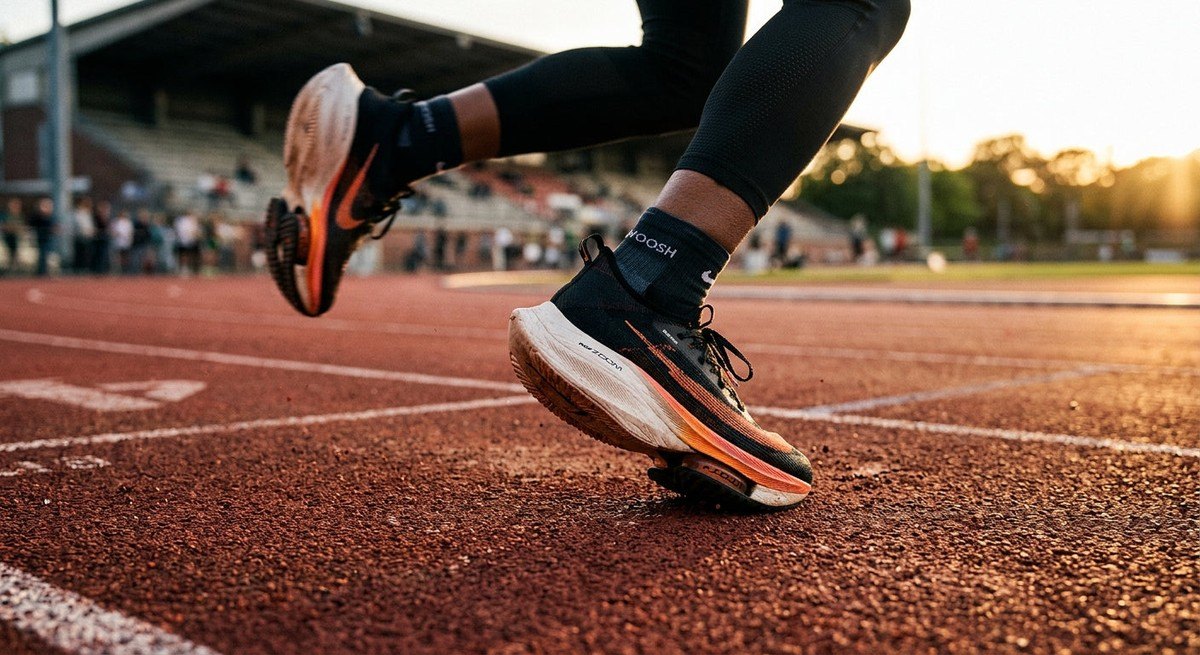
Listen to your feet. If you notice a recurring blister in the same spot, it is a clear sign that something in your setup is off. It might be that your trainers have lost their cushioning, or perhaps you need to adjust your lacing technique to prevent your heel from slipping. A 'runner's loop' lacing method can often lock the heel in place and stop the micro-movements that cause friction.
Remember that your feet change throughout a run. As blood flow increases, feet can swell, making a shoe that felt perfectly comfortable at the start of the run feel tight by the end. Always ensure you have a little extra room in the toe box to accommodate this natural expansion. If you are training for an ultra-distance event, consider sizing up your trainers by half a size to account for this swelling.
Empathy for your own body is essential. If you do get a blister, don't ignore it. Clean it, protect it, and give it time to heal properly before pushing for distance again. By prioritising comfort and preparation, you can spend less time worrying about your feet and more time enjoying the rhythm of the road.
10 alternative items to try
- Body Glide Anti-Chafe Balm: This is a gold-standard product for runners. It comes in an easy-to-use stick applicator that allows you to target specific areas without getting your hands messy. The formula is non-greasy, sweat-resistant, and provides a long-lasting barrier that significantly reduces friction between skin and fabric, making it perfect for long-distance training.
- Injinji Toe Socks: These socks are a game-changer for anyone suffering from between-toe blisters. By separating each toe, they eliminate skin-on-skin friction entirely. They are made from moisture-wicking materials that keep feet dry, and the independent toe movement allows for natural splay, which can improve stability and overall comfort on uneven terrain.
- Leukotape P: Known for its incredible adhesive strength, this tape is the choice of many endurance athletes. It is rigid and stays put even when feet become damp from sweat or puddles. It is perfect for covering high-friction areas, but remember to use it sparingly as it is quite sticky to remove.
- Balega Hidden Comfort Socks: These are renowned for their plush cushioning and moisture-wicking properties. They feature a high heel tab that prevents the sock from slipping down into the shoe, which is a common cause of heel blisters. The soft fabric feels luxurious and protects the foot from impact and rubbing simultaneously.
- Hydrocolloid Blister Plasters: Unlike regular plasters, these create a gel-like cushion over the blister. They provide instant pain relief by padding the area and keeping it moist, which encourages faster healing. They are also waterproof, meaning they will stay in place during a long run and protect the skin from further irritation.
- Feetures Elite Light Cushion Socks: Designed with a targeted compression fit, these socks are shaped to fit the anatomy of the foot. This prevents the sock from bunching up inside the shoe, which is a leading cause of blisters. The light cushioning provides enough comfort without making the shoe feel too tight.
- Squirrel's Nut Butter: This is a natural, anti-chafe salve made with coconut oil, cocoa butter, and beeswax. It is incredibly effective at creating a smooth surface that prevents rubbing. Many runners prefer it because it is long-lasting and contains skin-healing ingredients that help maintain healthy skin during intense training blocks.
- Engo Blister Prevention Patches: These are not for your skin, but for your shoes. You apply these smooth, low-friction patches directly to the inside of your trainer where you experience rubbing. They stop friction at the source and last for hundreds of miles, providing a permanent solution to persistent hot spots.
- Darn Tough Merino Wool Socks: Merino wool is naturally moisture-wicking and temperature-regulating. These socks are exceptionally durable and provide a soft, itch-free layer of protection. They are excellent for long runs because they keep feet dry, which is the most important factor in preventing the soft, vulnerable skin that blisters easily.
- Wrightsock Double Layer Socks: These socks feature an inner and outer layer that move against each other rather than against your foot. This 'anti-blister' system is highly effective at dissipating heat and friction. They are a great choice for runners who find that traditional single-layer socks just don't offer enough protection during high-mileage weeks.


