

Guide to the Best Running Routes in Major UK and European Cities


Dealing with a nagging injury or tightness?
Get instant recovery guidance, stretching protocols, and rest advice right now without leaving the site. Try asking Raye: 'What are the best stretches to relieve tight calves after a long run?' Get recovery advice
Step by Step Starting Out
Finding a reliable running route in a strange city can feel like a daunting task, but it is often the most rewarding way to familiarise yourself with a new location. When I first arrive in a city, I prioritise finding green spaces or waterfront paths that offer a bit of respite from the chaotic urban centre. Start by identifying the main river or park system, as these are almost always the arteries for the local running community. A quick look at heatmaps from fitness apps can reveal where the locals are lacing up, ensuring you avoid heavy traffic and construction.
Once you have a general area, plot a route that is roughly three to five kilometres. Keep it simple for your first outing. The goal is not to set a personal best, but to get a feel for the terrain and the city's unique rhythm. I always recommend checking for local running clubs online; their group runs are often the best way to find hidden gems, like quiet canal paths or elevated viewpoints that you would never stumble upon otherwise.
As you progress, try to build in a bit of variety. If you are in London, for instance, you might start with a flat lap around St James's Park, but soon find yourself craving the slightly more undulating terrain of Hampstead Heath. Always keep a digital map handy, but do not be afraid to take a wrong turn. Some of my favourite memories involve ending up in a historic square or a tucked-away café because I took a spontaneous detour during a morning jog.
How to Build this into my life
Integrating running into your travel or daily life is all about removing friction. I make it a ritual to pack my gear at the very top of my suitcase. If your shoes are the first thing you see when you open your bag, you are far more likely to get out the door. Treat your morning run as a non-negotiable meeting with yourself, regardless of the local weather or time zone challenges.
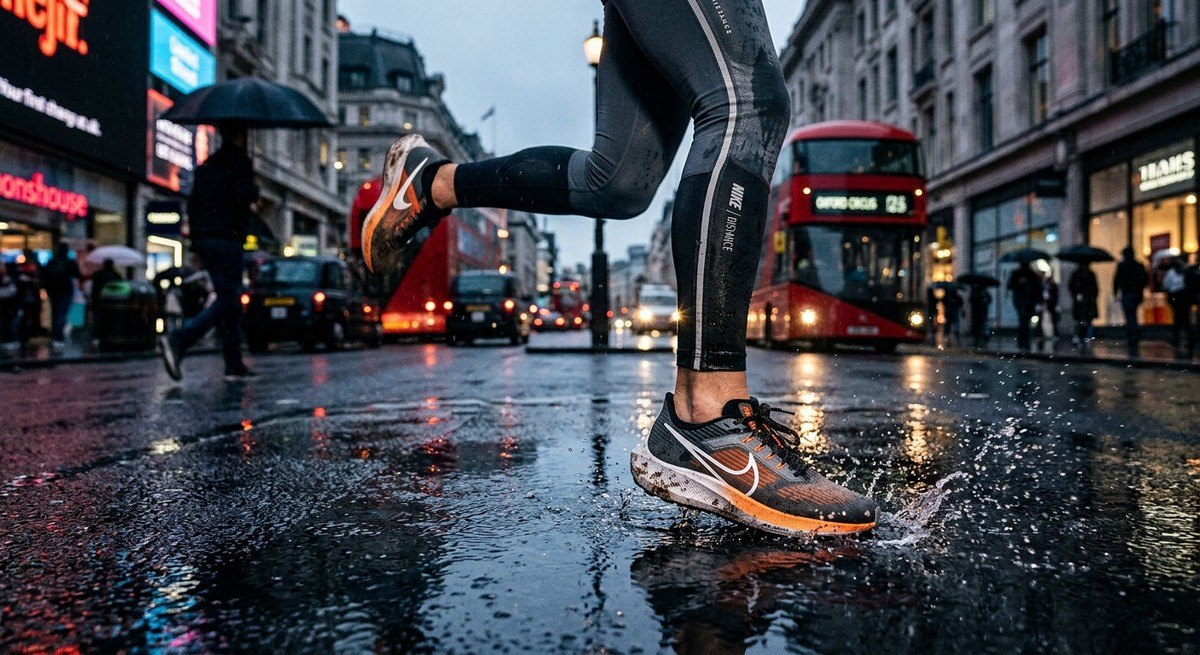
Consistency is the secret sauce. If I am visiting a city for work, I aim for a thirty-minute run before my first meeting. It clears the head, boosts your metabolism, and helps you acclimatise to the local environment. Even if you only manage a brisk jog, the physical activity makes the rest of the day feel more structured and intentional. It is about creating a familiar routine in an unfamiliar landscape.
Remember to listen to your body, especially when travelling. Long flights and different climates can take a toll on your hydration levels and recovery speed. Don't be afraid to adjust your intensity or distance based on how you feel. The goal is to enjoy the experience of moving through a new city, not to burn yourself out before your holiday or conference even begins.

Have a quick training or recovery question?
Get fast expert advice right here on the page—no sign-up, account, or app needed. Try asking Raye: 'What's the best way to relieve tight calves after a run?' Ask a question now
Essential Kit
Your kit should be lightweight, versatile, and breathable. In the UK and Europe, the weather can shift in an instant, so I always swear by the 'layering' philosophy. A lightweight, windproof gilet is a lifesaver in the unpredictable coastal winds of cities like Edinburgh or Amsterdam. It provides core warmth without the bulk, and you can easily stow it away if the sun makes a surprise appearance.
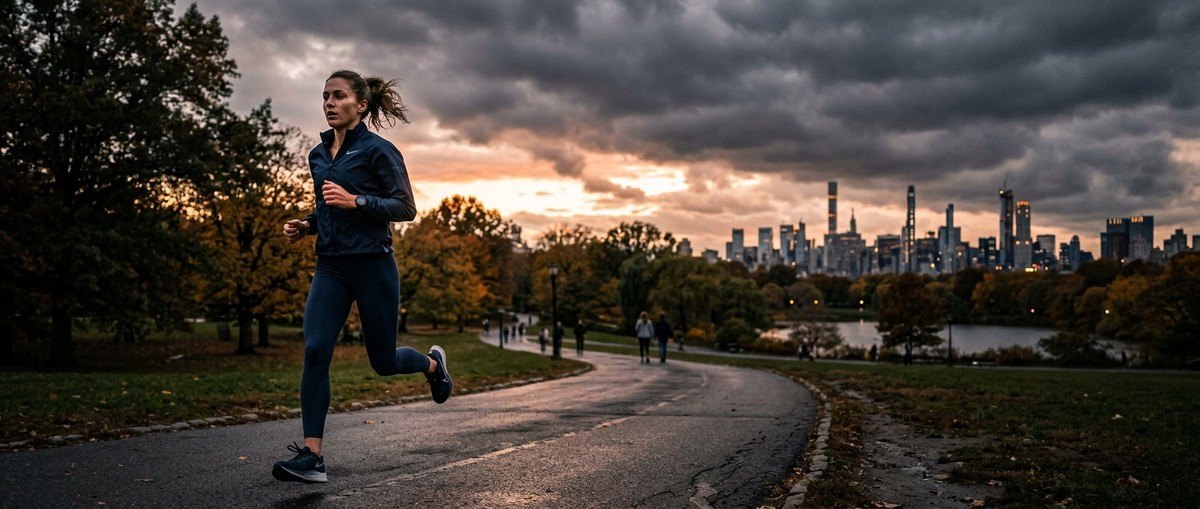
Footwear is your most important investment. Ensure you are wearing a pair of trainers with adequate cushioning for the inevitable transition between soft park trails and hard asphalt pavements. If you are planning on doing a lot of city running, a pair with good grip is essential for those slick, cobblestone streets found in older European districts. Never break in new shoes while travelling; stick to what you know works for your gait.
Finally, consider a small, ergonomic belt or vest to carry your essentials. You will need a place for your phone, a bit of emergency cash, and perhaps a small packet of tissues. Having these items on hand means you don't have to worry about finding a shop mid-run. Keep your kit minimal so you can focus entirely on the sights, sounds, and scents of the city you are exploring.
10 alternative items to try
- Lightweight Windbreaker Jacket: A high-quality windbreaker is essential for European climates where rain showers can appear from nowhere. Look for a breathable, water-repellent fabric that packs down into its own pocket. It is the perfect layer for those crisp, early morning runs through the streets of Paris or Berlin, providing protection without overheating your core.
- Hydration Vest: For those who prefer longer, endurance-focused runs, a hydration vest is a game changer. It allows you to carry water and small snacks comfortably, ensuring you stay hydrated during long explorations. It also features pockets for your smartphone and keys, keeping everything secure while you navigate busy city intersections.
- Reflective Gear: Staying visible is non-negotiable when running in cities, especially during the darker winter months in the UK. High-visibility vests or reflective armbands are simple, effective additions to your kit. They ensure that motorists and cyclists can see you clearly, allowing you to focus on your pace rather than your safety.
- Bone Conduction Headphones: These are brilliant for urban runners because they allow you to listen to your music or podcasts while keeping your ears open to the environment. You can hear traffic, sirens, and other pedestrians, which is vital for navigating complex city streets safely while still enjoying your favourite motivational playlist.
- Anti-Chafe Balm: Long-distance runs in varying humidity levels can lead to uncomfortable chafing. An anti-chafe balm is a small, portable solution that prevents irritation on your skin. It is an essential item for any runner’s kit, ensuring you can stay comfortable and focused on your route, no matter how many kilometres you decide to cover.
- GPS Running Watch: A reliable GPS watch is more than just a timer; it is a navigational tool. Many modern devices allow you to upload routes directly to your wrist, helping you explore new paths without getting lost. It tracks your distance, pace, and heart rate, providing valuable data to help you monitor your fitness progress.
- Compression Socks: These are fantastic for recovery, especially after a long day of walking or a gruelling run. They help improve blood circulation and reduce muscle fatigue, making them a must-have for any active traveller. Wearing them on a flight or after a run can significantly speed up your recovery time for the next day.
- Merino Wool Base Layer: Merino wool is a miracle fabric that regulates temperature perfectly. It keeps you warm in the cold and wicks away moisture when you get hot. It is naturally odour-resistant, which is a huge benefit when you are travelling and have limited access to laundry facilities during your short city stay.
- Portable Power Bank: If you use your phone for GPS and music, a small power bank is a lifesaver. You do not want to be stranded in a foreign city with a dead battery. A lightweight, compact power bank ensures your phone stays charged, keeping your map active and your music playing throughout your entire run.
- Trail-to-Road Hybrid Shoes: If you are planning to mix your runs between city parks and urban streets, a hybrid shoe is the best choice. These shoes offer a blend of cushioning for hard pavement and enough tread for light gravel or dirt paths. They provide excellent versatility, meaning you only need to pack one pair of shoes.


