

Decoding Hyrox Divisions: Open vs. Pro vs. Doubles Explained


Want to build strength to support your running?
Get targeted strength routines and mobility exercises designed specifically for runners directly on-site. Try asking Raye: 'What are 3 key gym exercises to improve running economy?' Get strength tips
Choosing Your Path
Getting into the world of Hyrox can feel a bit like standing at the start line of a massive, stadium-sized maze. You have seen the clips on social media—the sweat, the intensity, and the sheer grit—and you are ready to have a go. But then you look at the entry page, and suddenly you are faced with a list of categories that makes your head spin. Should you go for Open? Is Pro actually achievable for you? Or is the camaraderie of Doubles the way forward? Let’s break it down together like a couple of mates grabbing a post-workout protein shake.
Think of your division as the foundation of your entire race day experience. It is not just about the difficulty; it is about how you want to challenge your body and your mind. Whether you are a weekend warrior or a competitive athlete with a trophy cabinet to fill, there is a lane for you. Let’s get stuck in.
Step by Step Starting Out
First, be honest with your current fitness level. If you are new to functional fitness, the Open division is your best starting point. It uses standard weights that are challenging but manageable for most regular gym-goers. It allows you to focus on the transitions and the pacing without the added stress of heavier implements.
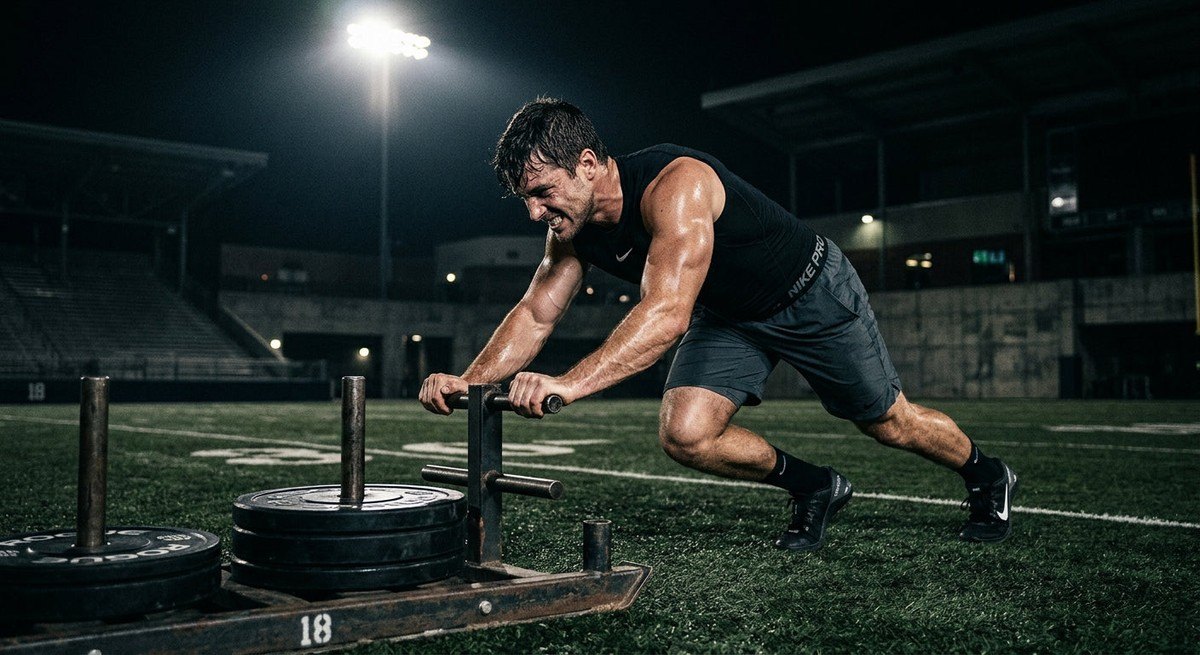
Once you have conquered the Open, you might feel the urge to push the boundaries. The Pro division steps up the weight on almost every station. It is a massive jump in intensity, specifically designed for those who have mastered the mechanics of the sled push and wall balls. If you choose Pro, ensure your grip strength and aerobic capacity are truly bulletproof.
For those who love the social element, Doubles is a brilliant way to experience the race. You and a partner split the workload, which means you get a bit of recovery time while your teammate is working. It is a tactical game of chess where you must communicate constantly to ensure you are playing to your respective strengths.
How to Build this into my life
Integrating Hyrox training into your weekly routine requires a shift in perspective. You cannot just lift heavy; you have to train the 'engine'. I suggest a split that prioritises running. Aim for three runs a week—one long, steady-state effort, one interval session, and one 'compromised' run where you stop to perform functional movements mid-run.
Consistency is your best friend here. Don't try to cram all your training into the weekend. Spread the load so your central nervous system has time to recover. Remember, a burnt-out athlete is a slow athlete. Listen to your body, and if you feel a niggle, rest. It is better to miss one session than to miss the entire race due to injury.

Have a specific performance goal in mind?
Get direct feedback on your training targets right here on the page—no sign-up or account required. Try asking Raye: 'How should I adjust my weekly mileage for a sub-20 minute 5K?' Ask about your goals
Logistical planning is just as important as the physical training. If you are travelling for a race, book your accommodation near the venue. It saves you the stress of navigating public transport on race morning. Pack your kit the night before, double-check your nutrition, and arrive with plenty of time to get your bearings.
Essential Kit
Your gear can make or break your day. Start with a reliable pair of trainers that provide enough cushioning for the running segments but are stable enough for the sled work. You do not want shoes that are too squishy, as you will lose power during the lunges.

Invest in quality compression gear. It helps with blood flow and muscle fatigue throughout the race. Also, consider a pair of high-quality gloves if your grip tends to fail during the farmers' carry. Keep it simple; you do not want to be carrying extra weight or faffing about with unnecessary gadgets.
Finally, track your progress. Use a notebook or an app to record your split times at each station. When you see your numbers dropping, it gives you a massive mental boost. Keep pushing, keep training, and I will see you at the finish line.
10 alternative items to try
- Weighted Vests: These are essential for simulating the fatigue of the sled push and pull. By wearing a vest during your training runs, you force your body to adapt to the extra load, which makes the actual race day weights feel significantly lighter and more manageable for your core and legs.
- Battle Ropes: Incorporating battle ropes into your conditioning sessions helps build the shoulder endurance required for the burpee broad jumps and wall balls. They are excellent for developing explosive power and grip stamina, ensuring you do not burn out during the final stages of the race when fatigue starts to set in.
- Sandbags: Using sandbags for lunges and carries adds a layer of instability that standard barbells cannot replicate. This forces your stabiliser muscles to work overtime, which is crucial for maintaining your balance during the sandbag lunges. It is a fantastic way to prepare for the functional chaos of a Hyrox arena.
- Kettlebells: These are the gold standard for functional strength. They are perfect for practising your farmers' carry technique and building the posterior chain strength needed for the sled pulls. Their offset weight distribution makes them much more challenging than dumbbells, which is exactly what you need to prepare for the professional division.
- Assault Bikes: If you cannot get outside to run, the assault bike is your best friend for building that high-intensity aerobic engine. It taxes both your upper and lower body simultaneously, which is perfect for mimicking the heart-rate spikes you will experience during the transition zones throughout your Hyrox race.
- Plyometric Boxes: Box jumps are an excellent way to improve your explosive power and vertical leap. By incorporating these into your routine, you prime your nervous system for the high-intensity bursts of energy needed for the burpee broad jumps, ensuring that you maintain your speed even when your lungs are burning.
- Resistance Bands: These are incredibly versatile for mobility work and warm-ups. Use them to activate your glutes and shoulders before you start your training session. Proper activation is the best way to prevent injury and ensure that your muscles are firing correctly during the heavy-lifting stations of the Hyrox circuit.
- Grip Strengtheners: Many athletes fail at the farmers' carry because their grip gives out before their legs do. Using specific grip strengtheners or hanging from a pull-up bar can significantly increase your forearm stamina. This small addition to your routine pays massive dividends when you are lugging heavy weights across the arena floor.
- Foam Rollers: Recovery is just as important as the workout itself. Using a foam roller helps break up muscle adhesions and improves blood flow to your tired tissues. It is a vital tool for staying consistent with your training schedule, as it allows you to recover faster between your high-intensity sessions.
- Heart Rate Monitors: Understanding your zones is key to pacing. A heart rate monitor helps you stay within your aerobic threshold during the running segments, preventing you from going out too hard and burning your matches too early. It is an essential data tool for any athlete serious about their race time.


