

How to watch the Tour De France 2027 in the UK


Dealing with a nagging injury or tightness?
Get instant recovery guidance, stretching protocols, and rest advice right now without leaving the site. Try asking Raye: 'What are the best stretches to relieve tight calves after a long run?' Get recovery advice
If you’re anything like us, your ears probably pricked up the moment you heard whispers about the Tour de France returning to our shores. There’s something special about seeing the world’s most elite cyclists flying down a British country lane or navigating a familiar city centre. It turns a standard weekend into something legendary.
However, before we get into the nitty-gritty of where to stand and what to pack, we need to clear up a bit of a timeline mix-up. There was a bit of chatter that the Tour was coming back in 2026, but the official word is out: 2026 belongs to Barcelona. The UK is actually playing host to the "Grand Départ" in 2027.
Honestly? That’s probably for the best. It gives us an extra year to plan our trips, get our own fitness levels up, and prepare for what is set to be the biggest free sporting event this country has ever seen. Not only are the men coming back, but for the first time ever, the Tour de France Femmes avec Zwift will also start here in the same summer. It’s a double-header of world-class racing across Scotland, England, and Wales.
Here is everything you need to know to get ready for the British cycling summer of 2027.
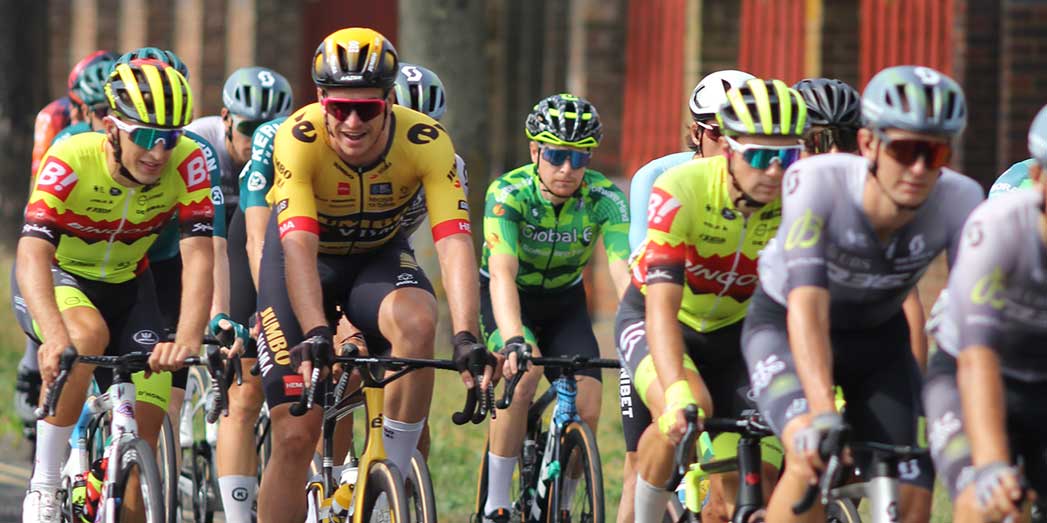
The 2026 Warm-up: Barcelona Calling
Before we get to the main event in the UK, we’ve got the 2026 Tour to look forward to. Think of this as the ultimate preview. Starting on July 4, 2026, the race kicks off in Barcelona. It’s the third time Spain has hosted the start, and they aren't doing things by halves.
The 2026 race starts with a 19-kilometre Team Time Trial right through the heart of Barcelona. If you follow professional cycling closely, you know these stages are all about precision and team-work. It’s a high-speed game of chess on wheels. Following that, the peloton heads into the hills of Catalonia and then quickly into the Pyrenees.
For those of us watching from home in the UK, 2026 will be the year we see the big rivalries truly cement themselves. Whether it’s Pogačar, Vingegaard, or some of our home-grown British talent, the drama that unfolds in the Spanish heat will set the stage for the battles we’ll witness on British soil just twelve months later.
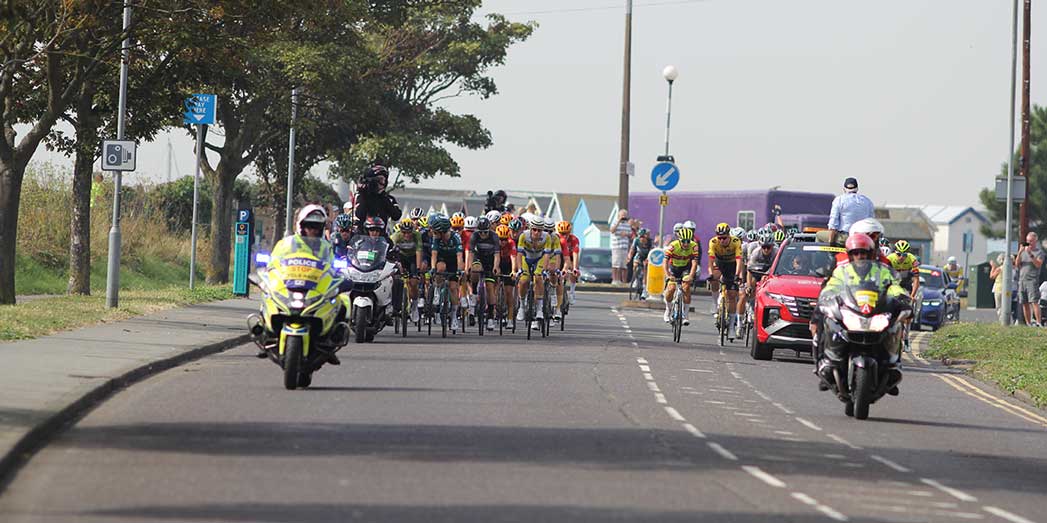
The Main Event: The 2027 UK Grand Départ
When the Tour arrives in July 2027, it’s going to be a massive logistical feat involving Scotland, Wales, and England. If you remember the 2014 start in Yorkshire, you’ll know the atmosphere was electric. This time, the organisers are aiming even higher. We’re talking about three nations, dozens of local councils, and potentially 10 million people lining the roads.

Have a quick training or recovery question?
Get fast expert advice right here on the page—no sign-up, account, or app needed. Try asking Raye: 'What's the best way to relieve tight calves after a run?' Ask a question now
The economic boost is expected to be huge, but for those of us who love the sport, the real value is in the "Joy" programme. This is a community initiative designed to get more people out on their bikes and moving. It’s about more than just watching the pros; it’s about the legacy they leave behind on our local roads.
Stage 1: The Scottish Start (Friday, 2 July 2027)
Edinburgh to Carlisle – 184 km
The 114th Tour de France gets underway in the shadow of Edinburgh Castle . It’s hard to imagine a more iconic place to start a bike race. The riders will roll out through the historic streets of the capital before the real racing begins in Midlothian.
This stage takes the peloton through the Scottish Borders . If you’ve ever ridden up there, you’ll know the roads are "heavy." They aren't necessarily Alpine mountains, but they are undulating and often exposed to the wind. For the riders, this is a day of nervous energy. Nobody wants to lose time on day one.
The highlight of the day for many will be the Côte de Melrose in the Eildon Hills. This is the first categorised climb of the Tour. The first rider to the top will get the honour of wearing the Polka Dot Jersey (the King of the Mountains) on the podium. Expect some of the smaller teams to go absolutely flat-out here to get that jersey for their sponsors.
After crossing the border, the race finishes at Carlisle Castle . It’s a relatively straightforward finish, which means we are likely to see a massive bunch sprint. Seeing a professional peloton hit 70 km/h in a city centre is something you never forget.
Stage 2: Lakes, Lanes, and Liverpool (Saturday, 3 July 2027)
Keswick to Liverpool – 223 km
Stage 2 is a long, gruelling day at the office. Starting in Keswick , the race heads south through the heart of the Lake District . They’ll be passing through Grasmere and Windermere on the A591. While the views are world-class, the roads are narrow and lined with stone walls. It’s a recipe for a very twitchy peloton.
Once they leave the Lakes and pass through Morecambe, they head into the Forest of Bowland . This is where the stage gets really interesting. There are several "stinging" climbs here, including the Jubilee Tower and the famous Trough of Bowland . These aren't just hills; they are leg-sappers.
The final big test is Parbold Hill , about 32 kilometres from the finish. If the sprinters have been dropped here, they’ll have a hard time getting back to the front before the race hits Liverpool . The finish line is on The Strand , right by the Royal Liver Building. It’s going to be a visual masterpiece for the TV cameras and an incredible place to stand and cheer.
Stage 3: The Welsh Decider (Sunday, 4 July 2027)
Welshpool to Cardiff – 223 km
Wales is famous for its hills, and Stage 3 doesn't disappoint. This is the toughest day of the British leg. Starting in Welshpool , the race heads south through the Brecon Beacons (Bannau Brycheiniog).
The final 80 kilometres are packed with six categorised climbs. The riders will tackle the Rhigos and the Maerdy —climbs that are legendary in the Welsh cycling scene. But the real firework show happens at Caerphilly Mountain .
With gradients hitting over 10%, this is where the contenders for the overall Yellow Jersey will likely start testing each other. It’s a short, sharp shock of a climb just 12 kilometres from the finish. Whoever gets over the top first will have a fast, technical descent into Cardiff to try and hold onto the lead. The stage finishes right near the Principality Stadium , ending the men's UK visit on a massive high.
The Tour de France Femmes: The Northern Powerhouse
The excitement doesn't stop once the men head back to France. At the end of July, the Tour de France Femmes avec Zwift kicks off its own British Grand Départ.
Stage 1 (30 July): Starts in Leeds and crosses the Pennines to finish in Manchester . It’s a nod to the 2014 Grand Départ and a celebration of the home of British Cycling.
Stage 2 (31 July): A tough day through the Peak District , travelling from Manchester to Sheffield . There is a bit of a question mark over Snake Pass due to potential road issues, so we might see the race diverted through Winnats Pass . If that happens, you’ll want to be there. Winnats is a natural amphitheatre and one of the most dramatic climbs in the country.
Stage 3 (1 August): The grand finale in London . While the exact route is still being finalised, expect a high-speed circuit race passing the city’s most famous landmarks. It’s the perfect way to wrap up a month of world-class racing.
Planning Your Trip: Pro Tips for Spectators
Watching the Tour is an art form. You can't just turn up five minutes before the race arrives and expect a good view. Here’s how to handle the logistics.
Getting Around
The men’s route is a "point-to-point" journey from Edinburgh down to Cardiff. The best way to follow it is by rail.
-
Edinburgh: It’s the main hub for Stage 1. If you're coming from the South East (like Southend), it’s a long journey but worth it for the atmosphere.
-
The Lakes: This is the trickiest part. The roads will be gridlocked. If you want to see Stage 2, your best bet is to stay in a town like Keswick or Ambleside and use a bike to get to your viewing spot.
-
Cardiff: The city is used to big events. It’s easy to get to by train from London and has plenty of capacity for fans.
Where to Stay
Accommodation for July 2027 will go fast. Our advice? Look at the smaller towns along the route. For the Lake District leg, book as early as you possibly can—ideally 12 months in advance. For the finish cities like Liverpool and Cardiff, you might have a bit more breathing room, but don't leave it until the last minute.
Here is our hand picked favourite accommodation
What to Bring
The British summer is... unpredictable. You’ll be standing on a roadside for several hours. You need:
-
Layers: Even if it’s sunny, it can get chilly waiting on top of a Welsh mountain.
-
Food and Water: Once the roads close, you’re stuck where you are. Don't rely on local shops being open or accessible.
-
Power Bank: You’ll be taking lots of photos and checking the race trackers on your phone.
-
Walking Shoes: Many of the best spots (like Caerphilly Mountain or the Trough of Bowland) require a bit of a hike from where you can park.
How to watch the Tour De France 2027 in the UK
If you aren't planning to stand on the roadside, you won't miss out. The 2027 Tour will be broadcast extensively.
On Television: As usual, ITV4 will likely provide full daily coverage and a highlights show every evening. This is the best way to catch the tactical analysis and the post-race interviews. Eurosport and Discovery+ will also offer wall-to-wall coverage for the cycling purists who want to watch every single kilometre.
At Fan Zones: Each major stage town (Edinburgh, Carlisle, Keswick, Liverpool, Welshpool, and Cardiff) will have dedicated "Fan Zones." These usually feature giant screens, food stalls, and cycling-related activities. It’s a great way to soak up the atmosphere if you want to be around other fans but don't want to trek up a hill.
Online: The official Tour de France app is a must-have. It gives you real-time GPS tracking of the riders, so you know exactly how far away the breakaway is from your position on the road.
The 2027 Grand Départ is more than just a race; it’s a festival of fitness and endurance. Whether you’re a lifelong cyclist or just someone who appreciates a great spectacle, it’s an event that will stay with you for years. Mark your calendars, get your plans in place, and we’ll see you on the roadside!
The Routes - Tour De France 2027
🚴♂️ Men's Tour de France 2027
Stage 1: The Scottish Commencement
-
Route: Edinburgh to Carlisle (approx. 184 km)
-
Key Waypoints: Edinburgh Castle → Innerleithen → Melrose → Hawick → Carlisle.
-
Click here for map: View Stage 1 Route
Stage 2: The Northwest Traverse
-
Route: Keswick to Liverpool (approx. 223 km)
-
Key Waypoints: Keswick → Grasmere → Jubilee Tower (Lancaster) → Parbold → Liverpool.
-
Click here for map: View Stage 2 Route
Stage 3: The Welsh Finale
-
Route: Welshpool to Cardiff (approx. 223 km)
-
Key Waypoints: Welshpool → Builth Wells → Rhigos Viewpoint → Caerphilly Mountain → Cardiff.
-
Click here for map: View Stage 3 Route
🚴♀️ Tour de France Femmes 2027
Stage 1: The Northern Return
-
Route: Leeds to Manchester
-
Context: Crossing the Pennines.
-
Click here for map: View Femmes Stage 1
Stage 2: The Snake Pass Queen Stage
-
Route: Manchester to Sheffield
-
Key Waypoint: Snake Pass (A57).
-
Click here for map: View Femmes Stage 2
What to Expect on Race Day: The "Moving Bubble"
If you’ve never seen a live cycling event before, you are in for a treat. The build-up is half the fun. You’ll hear it before you see it: the hum of support vehicles, the chirp of police whistles, and the cheers growing louder as the riders approach. Then, in a flash of colour and the spectacular "whirr" of high-end tyres against the tarmac, the peloton flies past. On a flat road, the whole thing can be over in minutes, but the atmosphere stays with you all day.
One of the most impressive things about a race of this scale is how they manage the roads. Obviously, you can’t shut down hundreds of miles of the British countryside for an entire weekend—the country would grind to a halt! Instead, the organisers use a clever system called a Rolling Road Closure .
The Tour de France Difference
Before we dive into how it works, there is one thing to keep in mind. For most UK races, like the Tour of Britain, the road is only closed for a short window. However, because the Tour de France is such a massive beast with millions of fans, the rules change slightly. In 2027, for the biggest stages, you can expect full, fixed closures . This means certain sections of the route will be closed for eight hours or more. It’s best to think of it as a giant street party where a bike race happens to break out in the middle!
How the "Moving Bubble" Works
For the rest of the route, the police and organisers create what they call a "safety bubble." Instead of closing the whole road for the day, the closure moves along with the riders.
Imagine a sterile zone on the road that is about 15 to 20 minutes long.
-
The Front: Police motorcycles ride ahead to clear the way and make sure no cars are pulling out.
-
The Middle: This is the "bubble" itself, reserved strictly for the riders, team cars, and medics.
-
The Back: A "Broom Wagon" and a final police vehicle signal the end of the race.
As soon as that final car passes, the road is officially open again. If you’re waiting at a junction, you’ll usually only be held up for about 30 to 45 minutes. It’s a remarkably well-oiled machine.
The "Leapfrog" Motorbikes
The real heroes of this operation are the specialist motorcyclists. You’ll see them performing a "caterpillar" or "leapfrog" manoeuvre.
A rider will zoom ahead of the race, hop off their bike at a junction, and physically block the traffic. They stay there until the entire convoy—riders, spare bikes, and all—has safely passed. Once the "Road Open" vehicle goes by, they jump back on their bike, safely overtake the peloton, and speed toward the next junction to do it all over again. It is high-speed choreography that keeps everyone safe.
The Parade: What You’ll See and When
If you’re standing on a corner waiting for the action, here is the sequence of vehicles you should look out for. They use a flag system that is very easy to follow:
-
The Advance Police (Blue Lights): This is your five-minute warning. The race is close, and you need to make sure you’re behind the barriers or well off the road.
-
The Lead Car (Red Flag): This is the "No Entry" sign. Once this car passes, the road is officially closed. No pedestrians or cars should be on the tarmac from this point on.
-
The Main Event: This is what you came for! You’ll see the breakaways, the main peloton, and the team cars bristling with spare wheels and bikes.
-
The Broom Wagon: This is a van or coach that follows the very last rider. If a rider has a mechanical issue or just finds the pace too tough, the "Broom" is there to collect them.
-
The End Car (Green Flag): The "all clear." Once the car with the green flag (usually a police vehicle) passes you, normal life resumes and the road is open to traffic again.
Who Is in Charge?
You’ll notice two different groups of bikers keeping things moving. First, you have the Police Escort . In the UK, only sworn police officers have the legal power to stop moving traffic. They handle the big junctions and make sure the "Red Flag" rule is respected.
Supporting them is the National Escort Group (NEG) . These are elite civilian motorcyclists. You’ll see them wearing high-visibility gear and waving yellow flags to point out hazards like traffic islands or sharp corners. They are the expert eyes and ears of the peloton, making sure the riders know exactly what’s coming up around the next bend.
A Quick Word on the Law
While it’s all very exciting, the safety side is serious business. These closures are backed by the Road Traffic Regulation Act , which means ignoring a police officer’s direction or driving onto the course after the Red Flag has passed is actually a criminal offence. The riders are moving incredibly fast and often use the entire width of the road, so staying behind the line isn't just about the law—it’s about keeping you and the athletes safe.
Spectator Etiquette: How to Cheer Like a Pro
Watching the Tour is a bit of a balancing act. You want to be as close to the action as possible to feel the rush of air as the peloton flies by, but you also need to remember that these athletes are hurtling down the road at incredible speeds on tyres no wider than your thumb.
To make sure you have the best day possible (and don't end up as a viral video for the wrong reasons), here are a few "unwritten rules" for the roadside.
Give Them Space (And Then a Bit More)
It is tempting to lean out into the road to get that perfect smartphone shot, but please keep your feet behind the white line or the kerb. Riders often use every inch of the road, especially on corners or when they are trying to find the smoothest "line" through a village. If you’re leaning out, you’re a hazard.
-
The "Selfie" Danger: We’ve all seen the clips of fans trying to take a selfie with their back to the race, only to be clipped by a handlebar. Keep your eyes on the riders, not your screen!
-
Mind the Bars: If you are lucky enough to be on a steep climb like Caerphilly Mountain, don't be tempted to run alongside the riders. It might look fun on TV, but it’s incredibly distracting and dangerous for the athletes who are already pushed to their absolute limit.
Look Out for the Support Convoy
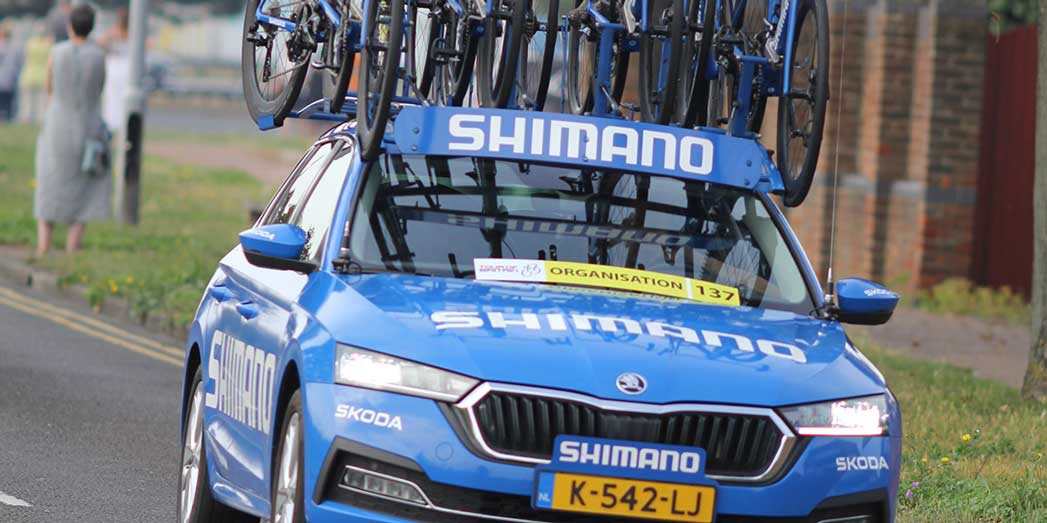
One thing that catches new fans off guard is that the race isn't just about the bikes. Behind the riders comes a massive "train" of team cars, neutral service motorbikes, and medics.
These drivers are focused on their riders and can be moving much faster than you’d expect. Even after the main group of cyclists has passed, stay off the road. There is often a "second wave" of riders who have been dropped, followed by their own support vehicles. The road is only truly safe once that Green Flag vehicle has passed you.
The "No Touch" Policy
If a rider is struggling on a steep hill, you might feel the urge to give them a friendly "sticky bottle" push. Don't do it. In professional racing, receiving a push from a spectator can actually get a rider fined or even disqualified. The best way to help them is with your voice—cheer, shout their name, and give them that mental boost to reach the summit.
Respect the Landscape
Whether you are in the heart of the Lake District or the Welsh valleys, the scenery is part of what makes the UK Grand Départ so special.
-
Leave No Trace: It sounds simple, but take your litter home. With millions of people expected on the roads, even a few dropped gel wrappers can cause a massive headache for local councils.
-
Dry Stone Walls: In places like Cumbria and the Yorkshire borders, you’ll see beautiful ancient dry stone walls. They might look like a great grandstand, but they are often fragile and privately owned. Avoid climbing on them—you don't want to be the person who causes a wall to collapse onto the race route!
Keep the Dogs (and Kids) Close
If you’re bringing the whole family, including the four-legged members, keep them on a short lead and well back from the road. A dog darting out into the peloton is a nightmare scenario for everyone involved. For the kids, mark out a "safe zone" with some chalk on the pavement so they know exactly where they are allowed to stand.
By following these simple tips, you’ll ensure the atmosphere stays electric and, most importantly, safe for the riders who have trained years for this moment.
Securing Your Spot: The Golden Rule of Accommodation
If there is one piece of advice we can’t stress enough, it’s this: don't wait. When the Tour de France comes to town, "business as usual" goes out the window. We are talking about millions of people descending on specific towns and valleys over a single weekend. The demand for beds—whether it’s a luxury hotel in Edinburgh, a cosy B&B in Keswick, or a campsite in the Brecon Beacons—will be unlike anything those areas have seen before.
Want to watch the Tour De France in Wales? Here is our hand picked favourite accommodation.
Book Before the Boom
Most major hotel chains and booking sites release their rooms 12 months in advance. For the July 2027 Grand Départ, you should be ready to hit "book" the second those dates in July 2026 open up.
However, many independent holiday cottages and local guest houses in the Lake District or Rural Wales are already taking "provisional" enquiries for the Tour. If you have a favourite spot, it’s worth a cheeky phone call now to see if they have a waiting list.
The "30-Minute" Strategy
It is tempting to try and stay right on the finish line or at the very foot of a famous climb. But here is a pro tip from seasoned Tour followers: staying 30 minutes away can actually be a better move.
If you stay right in the heart of a host town like Keswick or Cardiff, you might find yourself "locked in." Once the road closures are in place and the barriers go up, moving your car becomes impossible. You are essentially a spectator in one spot for the entire day.
By staying roughly 30 minutes outside the main "impact zone," you gain a bit of tactical flexibility:
-
Avoid the Price Hike: Accommodation right on the route often comes with a "Tour Premium" price tag. Staying a few miles away in a neighbouring village can save you a tidy sum.
-
Easier Access: You can drive or cycle to a different part of the stage if the weather changes or if you decide you’d rather watch a sprint than a climb.
-
Quiet Retreat: After the madness of ten million people cheering on the roadside, being able to retreat to a quiet pub or rental home away from the main hubbub is a blessing.
Arrive Early, Stay Late
On the day of the race, the "early bird" doesn't just get the worm—they get the only parking space for five miles.
If a stage is set to pass through at 2:00 PM, do not aim to arrive at 1:00 PM. The roads will likely have been closed for hours by then, and the police will be turning people away. Plan to be at your chosen vantage point at least three to four hours before the riders are due.
Use that time to soak up the atmosphere, chat with other fans, and get your picnic set up. The build-up is just as much a part of the experience as the race itself. Plus, arriving early ensures you aren't stressing about road closures while the peloton is already ten miles away.
The "Tour Effect" on Transport
Remember that the rail network and local buses will be stretched to their limits. If you are staying in a city like Liverpool or Edinburgh, check the local transport websites for "Tour Specials." They often run extra trains or shuttle buses from park-and-ride sites. Using these is often much less stressful than trying to navigate a city that has been partially pedestrianised for the world's biggest bike race.


