

The Best Dual-Sided Power Meters for Road Cycling in 2026


Want to build strength to support your running?
Get targeted strength routines and mobility exercises designed specifically for runners directly on-site. Try asking Raye: 'What are 3 key gym exercises to improve running economy?' Get strength tips
The Pursuit of Absolute Precision
In the high-stakes world of professional road cycling, the difference between a podium finish and a mid-pack result often boils down to a few watts. As we move through 2026, the dual-sided power meter has transitioned from a luxury accessory to a non-negotiable tool for the serious athlete. By capturing independent data from both the left and right legs, these sophisticated systems provide the granular insight required to refine pedal stroke efficiency and rectify muscular imbalances.
The current market landscape is dominated by manufacturers who have successfully miniaturised strain gauge technology without compromising structural integrity. For the enthusiast, this means lighter, more robust crank-based and pedal-based systems that deliver laboratory-grade accuracy in the harshest outdoor conditions. It is no longer just about knowing your power output; it is about understanding the biomechanical narrative behind every rotation.
What are the press saying?
Industry critics have been unanimous in their praise for the 2026 flagship models, noting that the 'accuracy war' has effectively reached a stalemate of near-perfection. Leading cycling publications have highlighted the seamless integration of these units with modern head units, noting that latency issues—once the bane of early power meters—have been entirely eradicated. The consensus remains that for those chasing marginal gains, dual-sided measurement is the only path forward.
Comfort & Fit
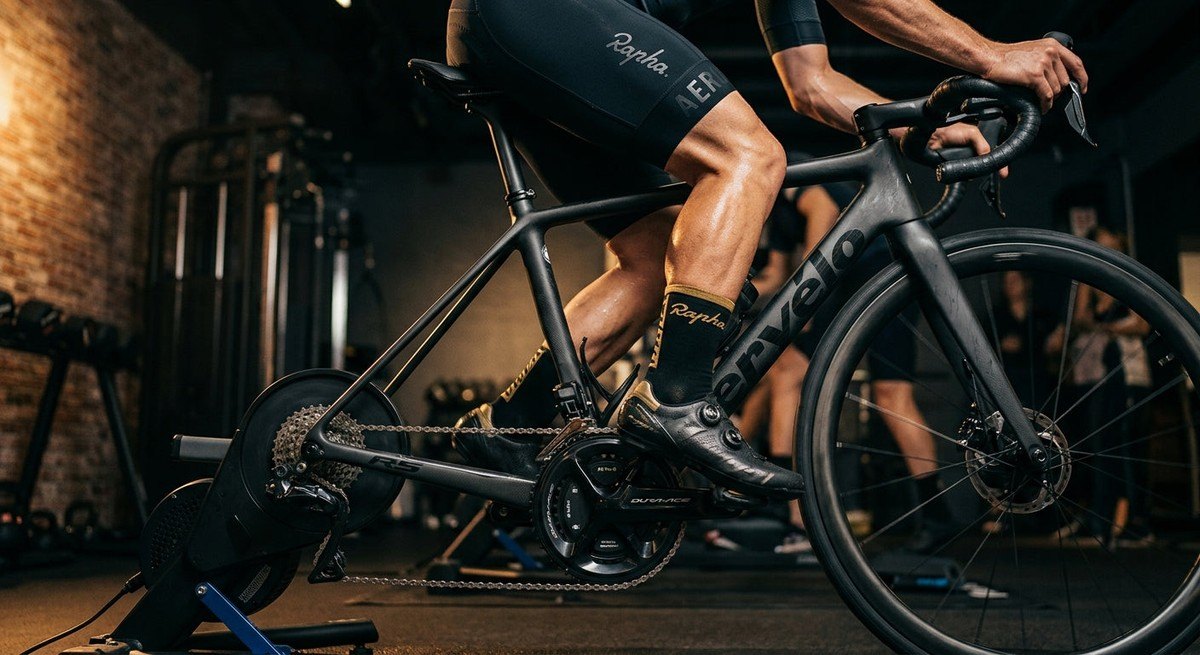
While power meters are primarily functional, the integration of these systems into cranksets or pedals requires meticulous attention to the bicycle's geometry. Modern manufacturers have prioritised aerodynamic profiles, ensuring that the addition of sensors does not compromise the bike's drag coefficient. Furthermore, the weight penalty has become negligible, with top-tier models adding less than 20 grams to the total build, ensuring that your climbing performance remains unhindered.
Features to Look out For
When investing in a dual-sided system, one must prioritise connectivity protocols. Bluetooth and ANT+ remain the industry standards, but look for models offering dual-channel broadcasting, which allows you to pair your power meter with both a bike computer and a smart trainer simultaneously. Additionally, look for 'active temperature compensation,' a vital feature that ensures your power readings remain consistent even as the ambient temperature fluctuates during a long alpine descent or a scorching summer climb.
Evolution and History
The trajectory of power measurement has been nothing short of revolutionary. From the bulky, hub-based systems of the early 2000s to the refined, spider-integrated strain gauges we see today, the technology has undergone a rapid metamorphosis. We have moved from simple wattage reporting to advanced cycling dynamics, where real-time analysis of force distribution across the pedal stroke is now standard. This evolution reflects the broader digital transformation of professional sport.

Have a specific performance goal in mind?
Get direct feedback on your training targets right here on the page—no sign-up or account required. Try asking Raye: 'How should I adjust my weekly mileage for a sub-20 minute 5K?' Ask about your goals
Special Features & Technical Specifications
Material Composition and Engineering
The 2026 generation utilises aerospace-grade 7075 aluminium and carbon fibre composites to house the strain gauges. This ensures maximum rigidity during high-wattage sprints while maintaining a featherlight profile. The engineering has shifted toward hermetically sealed electronics, providing an IPX7 water-resistance rating that withstands the most torrential British downpours.
Physical Dimensions and Weight
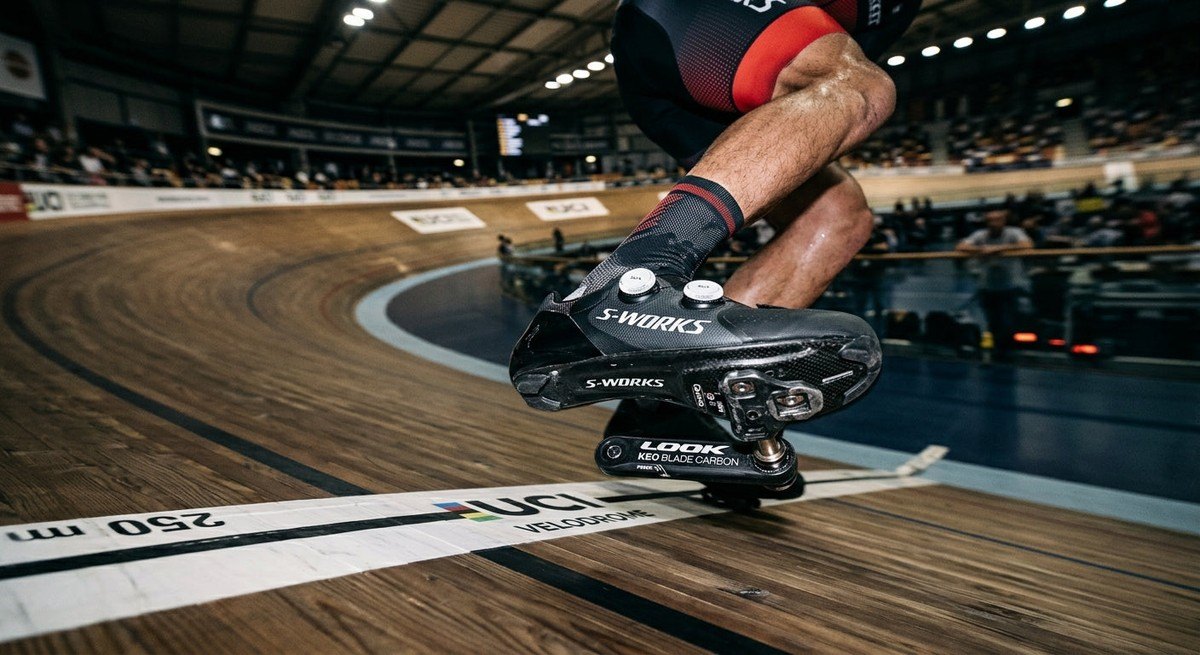
The average unit weight has dropped to a staggering 650g for complete crankset systems. The integration of proprietary micro-sensors ensures that the Q-factor of the crankset remains identical to non-powered versions, preserving the rider's familiar fit and biomechanical efficiency.
What to Expect in the future?
Looking ahead, the focus is shifting toward predictive analytics. We anticipate the next generation of power meters to integrate with AI-driven coaching platforms, providing real-time physiological feedback. Imagine a system that not only measures your output but adjusts your training load automatically based on your internal fatigue metrics. The future of cycling is not just about measuring effort; it is about optimising the human engine in real-time.
Ultimately, the investment in a dual-sided power meter is an investment in your own athletic longevity. By providing the data necessary to train smarter rather than just harder, these components pay dividends in performance and injury prevention. For the dedicated cyclist, the path to the front of the peloton is paved with data, and in 2026, there is simply no substitute for the precision offered by these elite systems.


