

Generative AI Training Engines: How Algorithmic Coaches Adjust Workouts Based on Morning HRV


Planning your next fitness milestone?
Get immediate guidance on pacing, workout structure, or race prep directly on-site for free. Try asking Raye: 'Can you outline a simple 4-week build plan for a 10K?' Get instant guidance
The Rise of Algorithmic Coaching
The landscape of endurance sports has shifted from static, spreadsheet-based training plans to dynamic, generative AI ecosystems. For runners and cyclists, the integration of Heart Rate Variability (HRV) as a primary metric for daily readiness has become the gold standard. Platforms such as TrainerRoad, Athletica, and TriDot are no longer just repositories of data; they are active, algorithmic coaches that adjust your training load in real-time based on your physiological state.
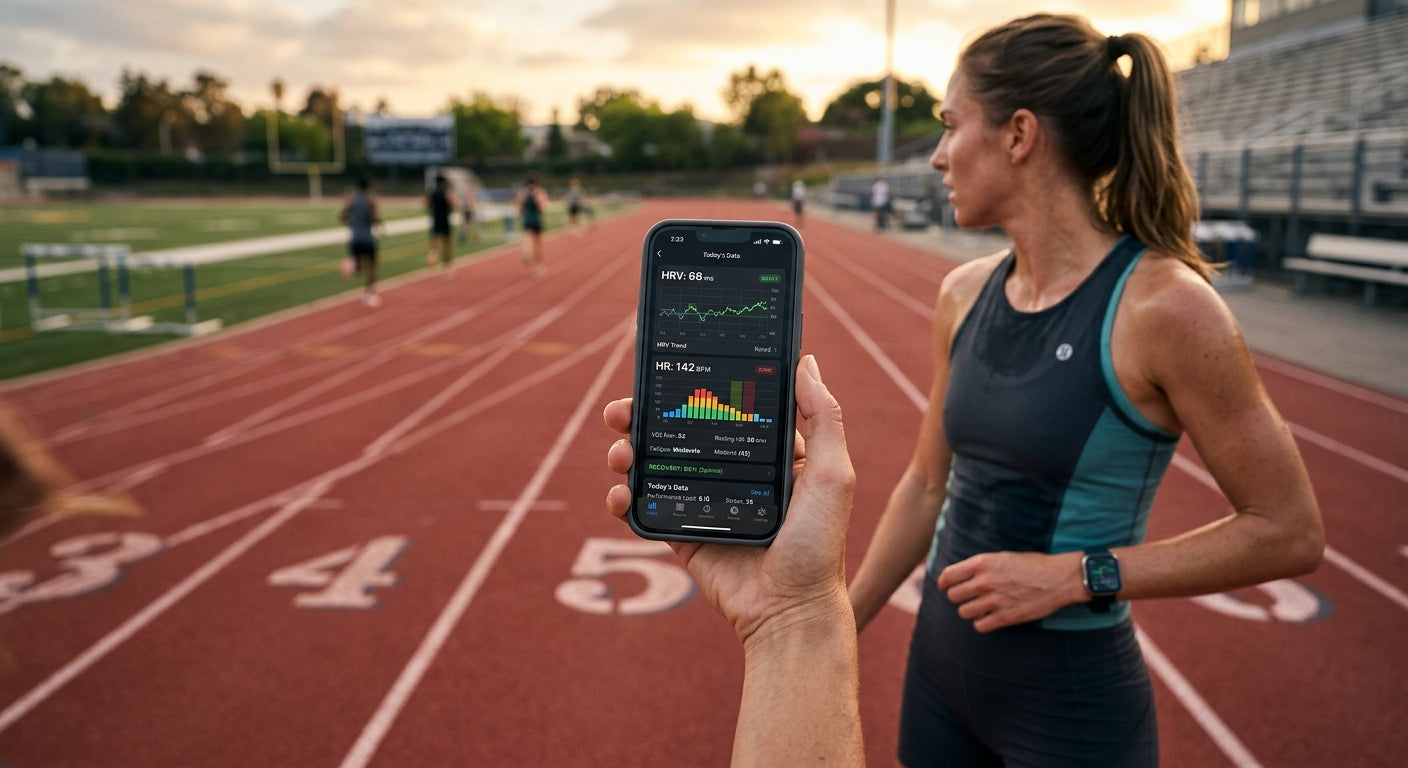
By analysing morning HRV—a proxy for autonomic nervous system balance—these platforms determine whether your body is prepared for high-intensity intervals or if it requires a recovery-focused session. This shift represents a move away from rigid periodisation towards a responsive, intuitive model that prioritises long-term adaptation over short-term consistency at the expense of health.
What are the press saying?
Industry analysts and sports scientists have lauded this technological leap, frequently noting that the 'set-and-forget' mentality of coaching is rapidly becoming obsolete. Major cycling and running publications have highlighted how these platforms effectively mitigate the risk of overtraining syndrome by flagging suppressed HRV scores before the athlete even feels the onset of fatigue. Critics, however, maintain that while the algorithms are sophisticated, they cannot yet replace the nuanced psychological support of a human coach.
Comfort & Fit
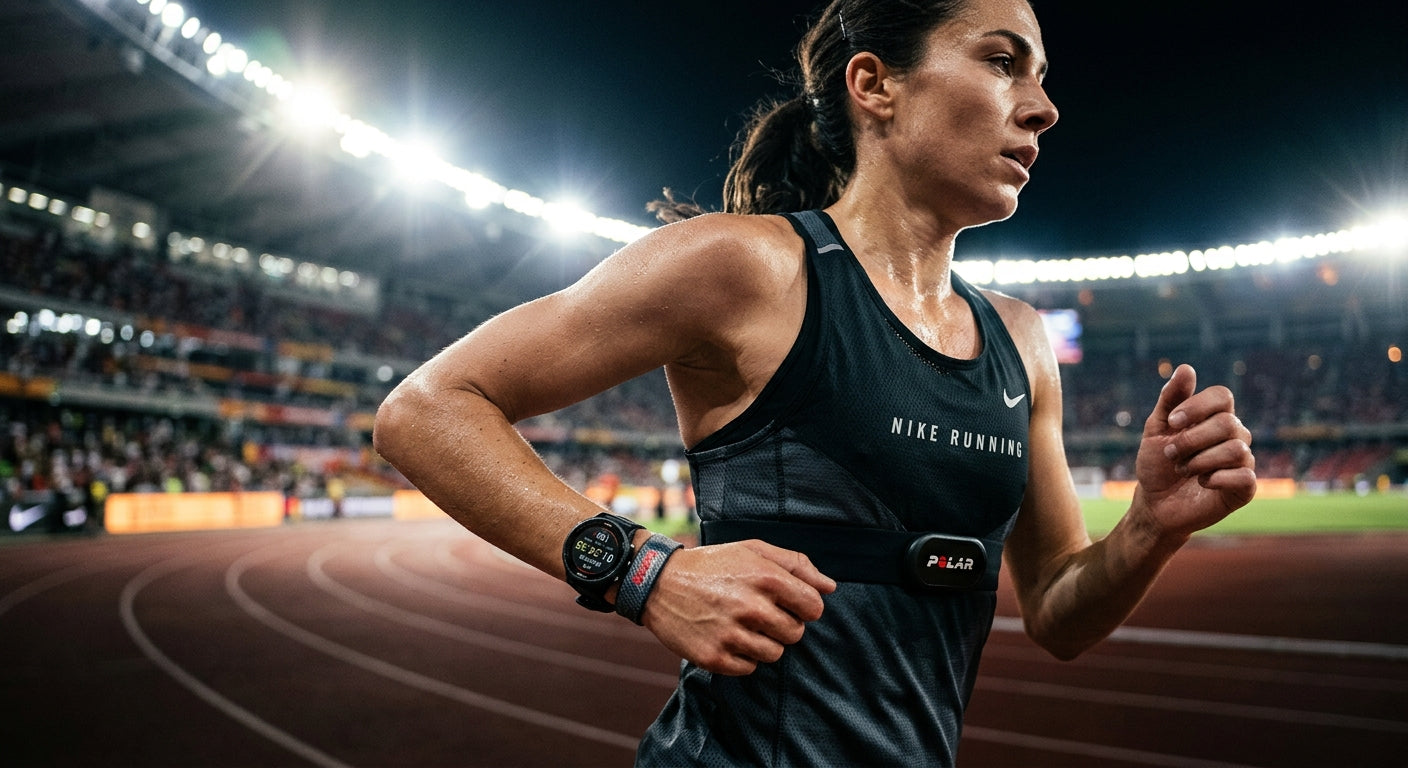
While the software is digital, the hardware required to feed these engines must be ergonomic. To capture accurate HRV data, athletes are increasingly turning to high-fidelity heart rate straps, such as the Garmin HRM-Pro or Wahoo TICKR. Comfort is paramount; a chest strap must provide a secure fit that does not chafe during long-distance efforts or high-cadence cycling, ensuring the sensor remains perfectly positioned over the heart for consistent signal acquisition.
Features to Look out For
When selecting an AI platform, look for seamless integration with wearable ecosystems. The best tools offer automated synchronisation with smartwatches that track sleep stages, resting heart rate, and respiratory rate overnight. An effective engine should also provide a transparent 'Training Stress Score' that reconciles your historical load with current recovery metrics, ensuring that every session is purposeful and scientifically grounded.
Evolution and History
Training methodology has evolved from the early days of 'feel-based' exertion to the periodised models popularised in the 1980s. The current era of generative AI is the culmination of decades of physiological research. Early digital tools were mere trackers, but the current generation uses machine learning to recognise patterns in an athlete’s unique response to stress, effectively 'learning' their tolerance levels over months of data collection.

Looking to shave time off your personal best?
Get immediate pacing strategies and interval workout ideas directly on-site for free. Try asking Raye: 'What is the best threshold session to help drop my 10K time?' Get instant pacing tips
Special Features & Technical Specifications
Material Composition and Engineering
Modern heart rate monitors utilise medical-grade conductive polymers and flexible silicone straps. Unlike previous generations, these sensors now feature dual-frequency ANT+ and Bluetooth connectivity, allowing for simultaneous data streaming to head units and mobile applications. The internal circuitry has been refined to provide millisecond-level sampling, essential for calculating the R-R intervals that constitute HRV.
Physical Dimensions and Weight
The latest sensor pods are 30% smaller than their predecessors, weighing approximately 45 grams. This reduction in mass is critical for reducing oscillation during high-intensity running. The low-profile design ensures that the unit remains flush against the torso, minimising aerodynamic drag for competitive cyclists.
What to Expect in the future?
The future of generative AI coaching lies in multi-modal data fusion. We can expect platforms to integrate blood glucose monitoring, hydration tracking, and even real-time environmental analysis to adjust workouts on the fly. As the algorithms become more predictive rather than reactive, the gap between the amateur enthusiast and the elite professional will continue to narrow. For those serious about performance, investing in high-quality heart rate monitors and compatible apparel is no longer optional; it is the foundation of modern athletic success.


