

The Evolution of Performance: Optimising Carbon-Plated Footwear with Advanced Insole Technology


Want to build strength to support your running?
Get targeted strength routines and mobility exercises designed specifically for runners directly on-site. Try asking Raye: 'What are 3 key gym exercises to improve running economy?' Get strength tips
What are the press saying?
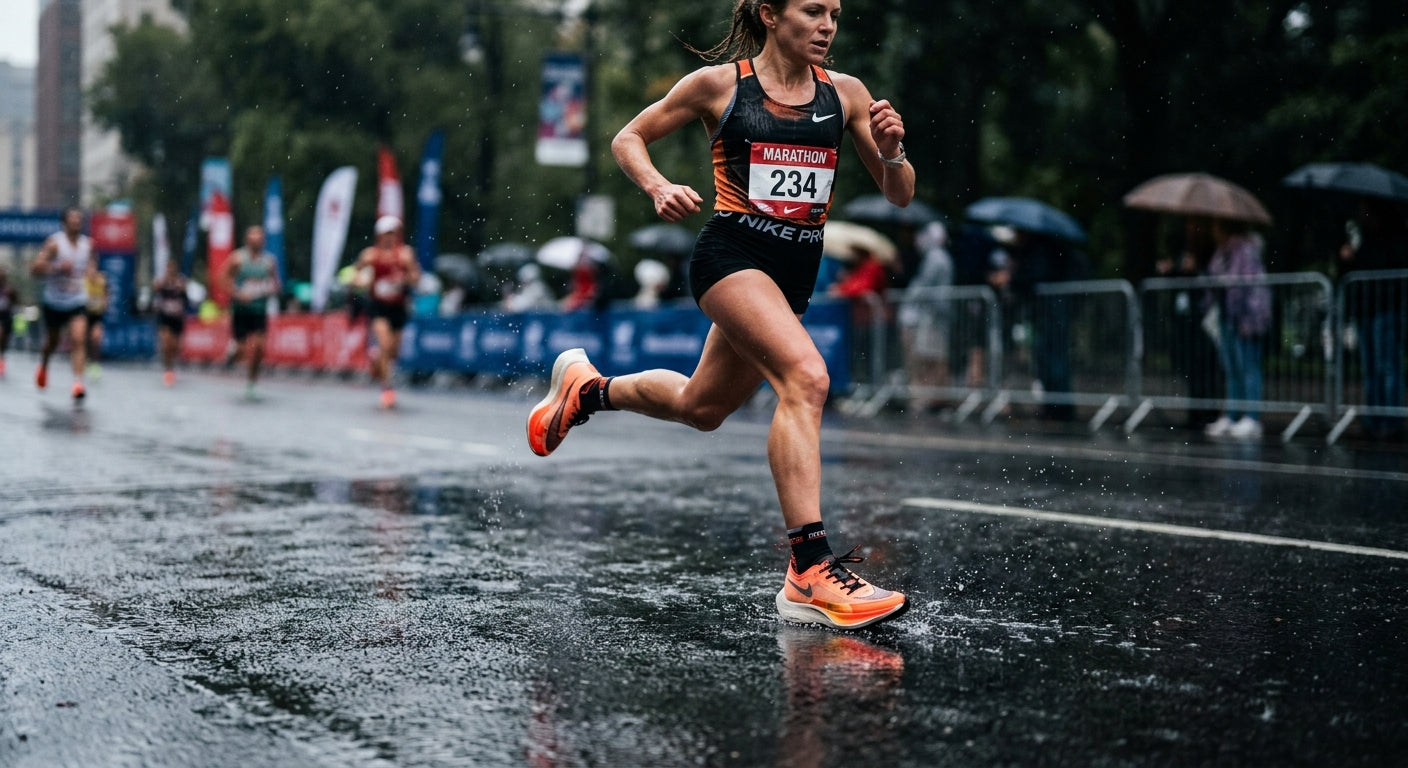
The global running press has been fixated on the 'super shoe' revolution, yet the conversation is shifting from the foam alone to the interface between the foot and the carbon plate. Industry analysts are now highlighting that even the most advanced racing shoes, such as the Nike Alphafly or Adidas Adizero Adios Pro, often fall short due to generic factory insoles. Leading running journals are consistently reporting that custom, heat-moldable, and sensor-embedded insoles are the missing link for elite marathoners seeking to bridge the gap between marginal gains and podium finishes.
Critics point out that while carbon plates provide explosive energy return, they also demand a level of biomechanical precision that standard sock-liners cannot accommodate. By integrating custom arch support, athletes are finding they can mitigate the notorious instability of high-stack racing shoes. The consensus is clear: the future of marathon performance is not just in the midsole, but in the internal architecture of the shoe itself.
Comfort & Fit
Achieving the perfect fit within a rigid carbon-plated chassis is a delicate balancing act. Traditional insoles often shift under the high-pressure loads generated during road racing, leading to friction and hot spots. Modern, heat-moldable insoles utilise high-density, closed-cell foams that conform precisely to the plantar surface, ensuring that the foot remains locked in a neutral position throughout the gait cycle.
For the triathlete, whose transition from cycling to running requires immediate stability, these custom insoles offer a significant advantage. The reduction in foot fatigue is palpable, as the arch support prevents the over-pronation that commonly occurs as the intrinsic foot muscles tire during the final kilometres of a race. This bespoke fit ensures that the power generated by the carbon plate is transmitted directly through the foot, rather than being dissipated by internal movement.
Features to Look out For
When selecting an insole for your carbon-plated racers, prioritising biomechanical offloading is paramount. Look for thin, lightweight profiles that do not compromise the shoe's internal volume. High-rebound materials that mimic the energy return of the midsole foam are essential for maintaining the intended ride quality of the shoe.
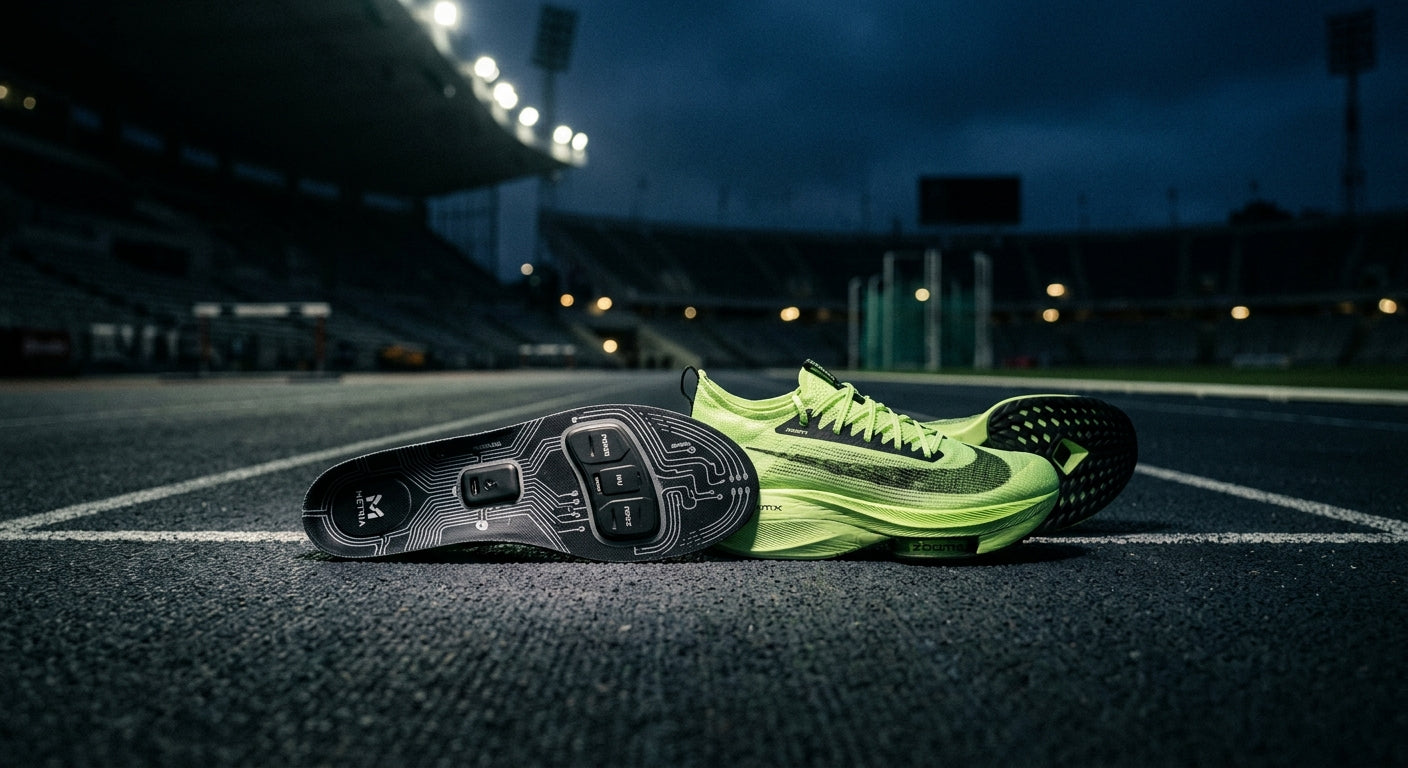
Furthermore, sensor-embedded insoles are emerging as a game-changer for data-driven athletes. These devices provide real-time feedback on contact time, ground reaction forces, and foot strike patterns. By analysing this data, runners can make micro-adjustments to their stride, ensuring that the carbon plate is being engaged at the optimal moment of the gait cycle.

Have a specific performance goal in mind?
Get direct feedback on your training targets right here on the page—no sign-up or account required. Try asking Raye: 'How should I adjust my weekly mileage for a sub-20 minute 5K?' Ask about your goals
Evolution and History
The journey from basic foam pads to sophisticated biomechanical orthotics mirrors the evolution of the running shoe itself. In the early 2000s, insoles were largely an afterthought, designed for basic moisture management. The introduction of carbon-plated technology necessitated a complete rethink of the internal footbed, as the rigid nature of the plates demanded a more stable, supportive foundation to prevent injury and maximise efficiency.
We have moved from simple EVA foam sheets to complex, 3D-printed lattices and heat-activated polymers. This progression reflects a deeper understanding of human kinetics. As research continues to uncover how the foot interacts with varying ground surfaces and carbon geometries, the insole has transitioned from a passive component to an active performance enhancer.
Special Features & Technical Specifications
Material Composition
Current high-end insoles utilise a combination of thermoplastic polyurethane (TPU) for structural integrity and proprietary micro-cellular foams for shock attenuation. These materials are engineered to be hydrophobic, preventing weight gain during wet weather marathons.
Physical Dimensions and Weight
Engineered for minimal displacement, these insoles typically feature a heel-to-toe drop of zero to two millimetres, maintaining the shoe's original geometry. Average weights have been reduced to under 30 grams per pair, ensuring no penalty for the weight-conscious competitor.
Engineering Changes
Compared to previous generations, the current iterations feature 'cradle' designs that wrap the heel and midfoot. This structural modification prevents lateral 'rolling' within the shoe, a common failure point in previous designs when navigating tight race course bends.
What to Expect in the future?
The horizon of insole technology is dominated by artificial intelligence and real-time biomechanical monitoring. We anticipate the arrival of 'smart' insoles that adjust their stiffness dynamically based on the fatigue levels detected in the athlete’s foot. This responsive capability will redefine how we approach endurance racing, allowing for a truly adaptive footwear system.
As we look forward, the integration of 3D scanning and additive manufacturing will make custom, bespoke insoles accessible to the wider public, not just elite professionals. This democratisation of high-performance tech will likely lead to a standardisation of foot alignment, setting a new benchmark for what we consider 'normal' running mechanics. The era of the generic insole is rapidly drawing to a close, replaced by a future where every millimetre of the shoe is tailored to the individual.


