

Best Cold Plunge Tubs for Home Use: 2026 Buyer's Guide


Need performance advice right now?
Ask our on-site coach anything about your routines. It's completely free and available immediately right here: 'What are 3 quick exercises for ankle mobility?' Ask Raye for free
What are the press saying?
The fitness industry has shifted its focus from mere cardiovascular output to the science of recovery. Leading sports journals and recovery tech publications are unanimous: the integration of cryotherapy into the daily routine of the elite athlete is no longer a luxury, but a necessity for longevity. Critics have lauded the current generation of home cold plunge tubs for their ability to maintain precise temperatures, a feat that once required commercial-grade industrial equipment.
Journalistic analysis suggests that the market has moved beyond primitive ice baths. Today's top-tier units are praised for their seamless aesthetic integration into high-end homes and their robust cooling engines. Experts are highlighting the efficacy of these systems in reducing delayed onset muscle soreness (DOMS) and improving systemic inflammation markers, marking a significant step forward in domestic athletic recovery tech.
Comfort & Fit
When selecting a premium cold plunge, ergonomics must be prioritised. The best units for 2026 feature reinforced, contoured seating that allows for a natural posture, ensuring that immersion is both comfortable and effective. The interior surfaces are finished with antimicrobial, slip-resistant materials that feel premium to the touch, even when the water temperature is hovering near zero degrees Celsius.
Fit is equally critical. For taller athletes, the depth of the tub determines the efficacy of the plunge, as full-body submersion is essential for triggering the mammalian dive reflex. The current market leaders offer adjustable depth and wide-set basins that accommodate a variety of body types, ensuring that the user experience is never compromised by cramped conditions.
Features to Look out For
The discerning buyer must look for advanced filtration systems and ozone sanitisation. In 2026, the most effective units utilise medical-grade filtration to ensure water clarity without the need for excessive chemical intervention. Furthermore, look for integrated Wi-Fi connectivity that allows for remote temperature control via smartphone applications, enabling the athlete to schedule their plunge to coincide with the end of a training session.
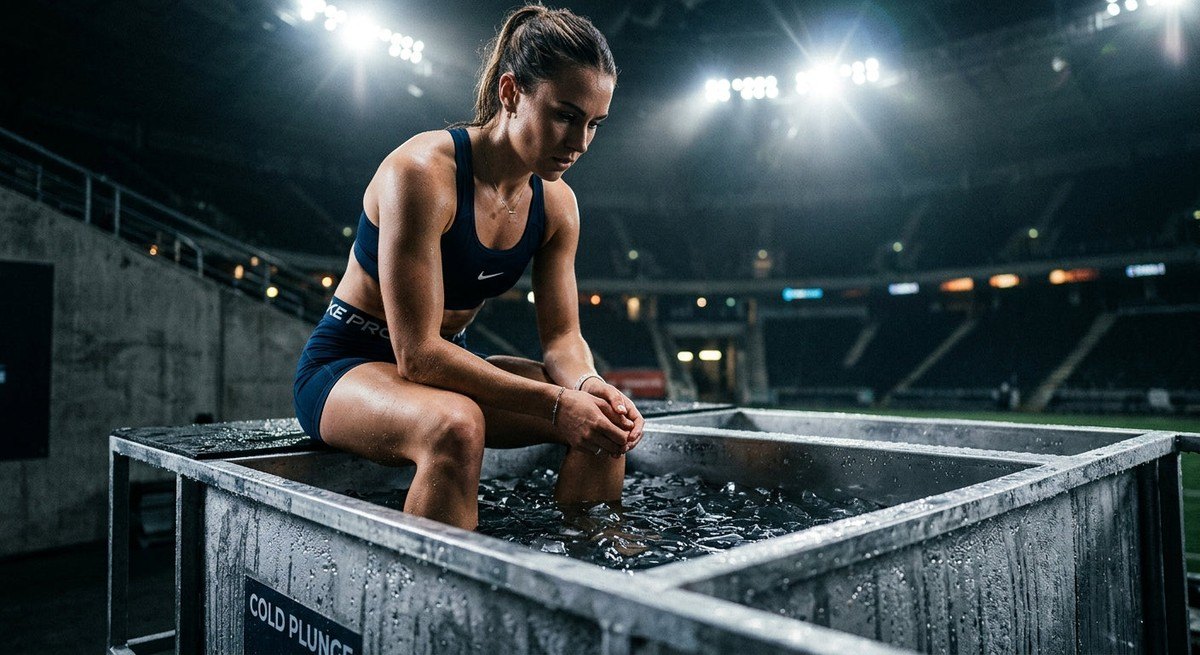
Energy efficiency is another hallmark of the modern era. High-end tubs now feature dual-stage insulation that maintains temperature stability while minimising power consumption. This engineering focus ensures that the unit remains ready to use 24/7 without placing an undue strain on the home's electrical grid.
Evolution and History
The evolution of the cold plunge has been rapid. A decade ago, recovery meant filling a plastic bin with bags of petrol-station ice. The transition to sophisticated, self-contained cryo-units represents a paradigm shift in how we approach recovery. Early prototypes were prone to mechanical failure and lacked the refined aesthetic required for domestic placement.

Need a clear race fuelling strategy?
Get instant, practical advice on hydration and race-day nutrition directly on this page for free. Try asking Raye: 'How many grams of carbs should I take per hour during a half marathon?' Ask for fuelling advice
Today, we see the culmination of years of R&D where aerospace-grade materials meet advanced thermodynamic design. The history of this niche is defined by the relentless pursuit of thermal consistency. What began as a makeshift solution for endurance runners has matured into a multi-billion pound industry focused on the science of cold-water immersion therapy.
What to Expect in the future?
Looking ahead, the next generation of recovery tech promises deeper integration with wearable biometrics. Future systems will likely monitor heart rate variability (HRV) and skin temperature in real-time, automatically adjusting the water temperature to optimise the physiological response of the user. We are also anticipating the arrival of modular systems that can be upgraded with new filtration and cooling modules, extending the lifespan of the hardware indefinitely.
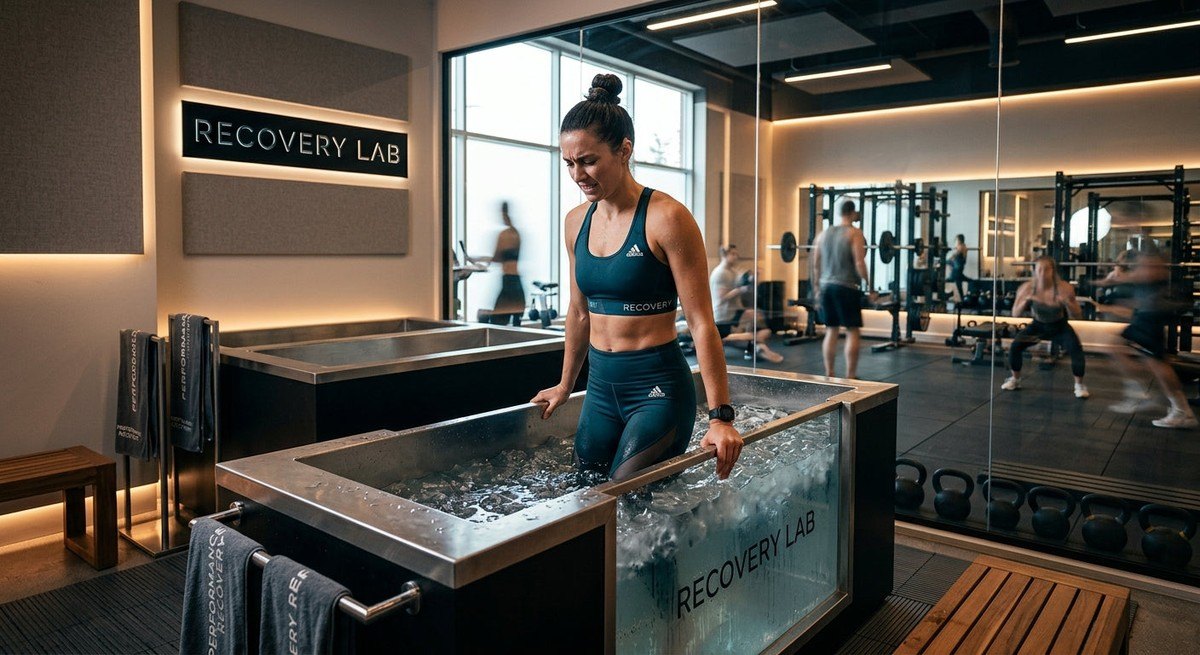
Special Features & Technical Specifications
Material Composition
Modern tubs utilise high-density polyethylene shells reinforced with carbon fibre composites, providing unparalleled structural integrity and thermal resistance.
Physical Dimensions and Weight
Typical high-end units measure approximately 180cm in length and 80cm in width, weighing roughly 120kg when empty, which ensures stability during use.
Engineering Changes
Compared to the 2024 generation, current models feature a 30 percent reduction in compressor noise and a 40 percent improvement in cooling speed, thanks to redesigned heat exchange coils.


