

Understanding VLamax: How Glycolytic Rate Dictates Triathlete Pacing Strategy


Need performance advice right now?
Ask our on-site coach anything about your routines. It's completely free and available immediately right here: 'What are 3 quick exercises for ankle mobility?' Ask Raye for free
Understanding the Physiological Engine
In the high-stakes arena of endurance sport, the modern athlete is no longer reliant on guesswork. Data-driven performance has shifted towards understanding VLamax, or the maximum glycolytic rate of the muscles. Measured in mmol/l/s, this metric quantifies the capacity of your muscles to produce energy via glycolysis. For the triathlete, VLamax is the silent determinant of pacing strategy, dictating whether you are a diesel engine built for the long haul or a high-octane sprinter destined to burn out before the final transition.
A high VLamax indicates a robust capacity for anaerobic energy production, which is advantageous for track cyclists or 800-metre runners. However, for the Ironman athlete, a high VLamax is often a liability. It suggests your body is overly reliant on carbohydrates, depleting precious glycogen stores rapidly while simultaneously hindering your ability to oxidise fat efficiently. To master the long-course format, understanding how to manipulate this physiological lever is paramount.
How can I start out?
The first step in managing your glycolytic rate is professional testing. You cannot manage what you do not measure. Seek out a laboratory capable of performing a step-test protocol that isolates oxygen consumption from carbon dioxide production. By analysing your metabolic cart data, sport scientists can pinpoint your current VLamax, providing a baseline from which to build your training blocks.
Once you have your figures, compare them against your race goals. If you are training for a half or full-distance triathlon, the objective is typically to lower your VLamax. This shifts your metabolic profile, allowing you to spare glycogen and rely more heavily on lipid metabolism. This is the physiological secret to maintaining a higher percentage of your threshold power for the duration of a gruelling bike leg.
Tips for Improving
To lower your VLamax, you must prioritise specific training modalities that discourage glycolytic activity. This involves limiting high-intensity, short-duration intervals that spike lactate production. Instead, focus on low-intensity, steady-state training, often referred to as Zone 2 work. This volume-heavy approach forces the body to improve mitochondrial density and fat oxidation efficiency, effectively training your muscles to become more economical.

Nutrition also plays a critical role in this adaptation. Periodising your carbohydrate intake around your training sessions is essential. By performing some of your aerobic base sessions in a glycogen-depleted state, you can further signal the body to enhance its fat-burning pathways. However, this must be balanced with professional guidance to avoid overtraining or hormonal disruption. Utilising high-performance apparel, such as the moisture-wicking kits from Sundried, ensures you remain comfortable during these long, low-intensity sessions, allowing for better focus on technical execution.

Need a clear race fuelling strategy?
Get instant, practical advice on hydration and race-day nutrition directly on this page for free. Try asking Raye: 'How many grams of carbs should I take per hour during a half marathon?' Ask for fuelling advice
Special Features & Technical Specifications
Material Composition
Modern performance gear, specifically the range offered by Sundried, utilises high-denier, recycled synthetic fibres engineered for superior thermoregulation. These fabrics are designed to minimise friction and maximise moisture transport, crucial for maintaining optimal core temperature during extended endurance efforts.
Physical Dimensions and Engineering
Compared to previous generations of athletic wear, these garments feature seamless construction technology. By removing traditional stitching, engineers have reduced the risk of chafing and improved the overall aerodynamic profile. The fabric density has been calibrated to provide targeted compression, aiding in venous return and muscular stabilisation during high-cadence cycling.
Weight and Performance Metrics
The latest iteration of high-performance jerseys and shorts has seen a 15% reduction in dry weight, ensuring that the athlete is not burdened by unnecessary material. When paired with smart recovery gear, such as compression sleeves that utilise graduated pressure, athletes can accelerate the removal of metabolic by-products, ensuring that the next training block begins with recovered musculature.
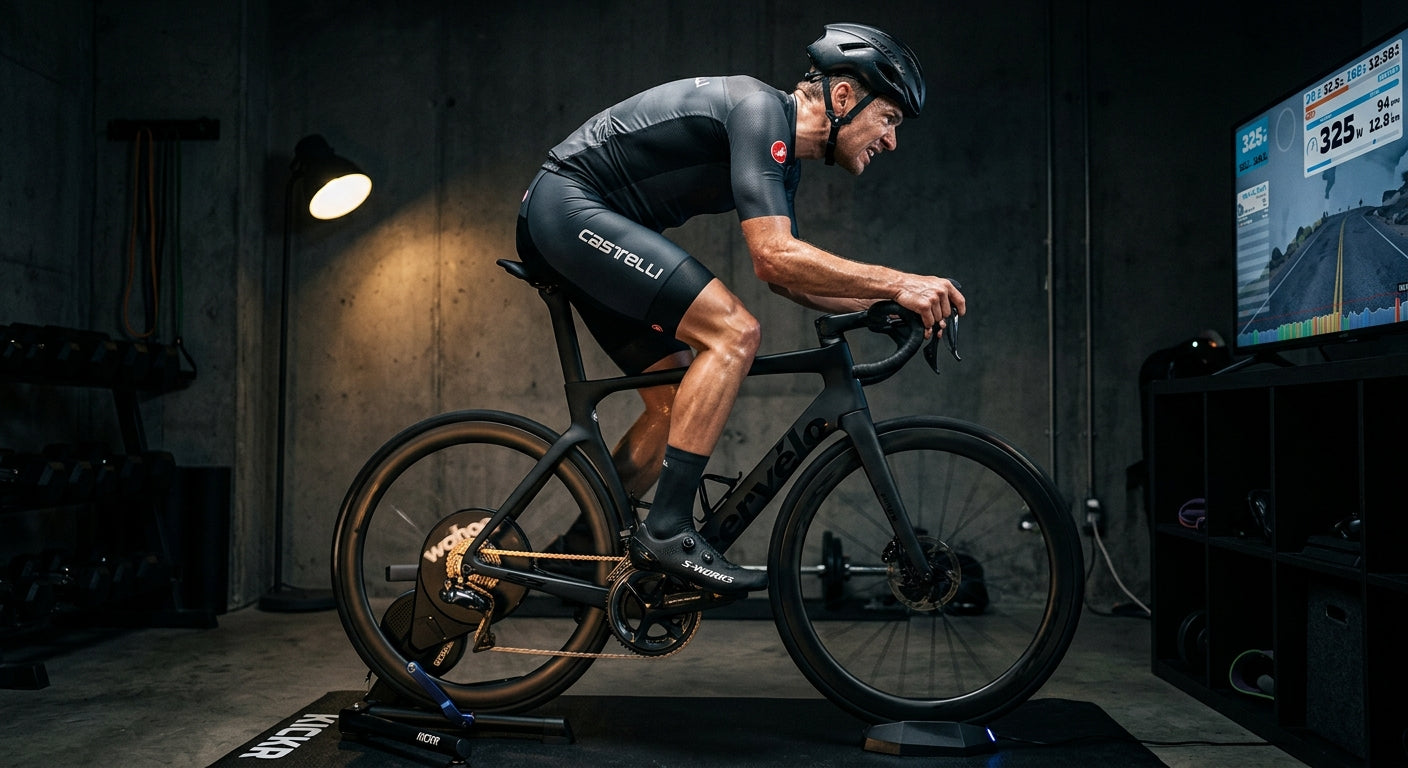
Ultimately, the goal is to create a 'metabolic ceiling' that allows you to perform at your peak without crossing the threshold into anaerobic fatigue. By lowering your VLamax, you gain the ability to hold a higher wattage on the bike while preserving the glycogen necessary for a strong marathon run. This is the hallmark of the professional triathlete: the ability to remain calm, controlled, and efficient even when the lactic acid begins to accumulate.
As you refine your training, keep a close eye on your power-to-heart-rate ratio. If you find that you can maintain higher power outputs at lower heart rates, you are on the right path. Continue to test, monitor, and adjust. The science of endurance is ever-evolving, and those who apply these data-driven principles with discipline will inevitably find themselves at the front of the pack.


