

Open Water Sighting and Navigation: Biomechanical Efficiency in Rough Water


Need performance advice right now?
Ask our on-site coach anything about your routines. It's completely free and available immediately right here: 'What are 3 quick exercises for ankle mobility?' Ask Raye for free
Mastering the Open Water
For the competitive triathlete, the transition from the sterile environment of a 25-metre pool to the chaotic, unpredictable nature of open water represents the most significant hurdle in race-day performance. While pool swimming rewards rhythmic consistency and internal focus, open water demands a sophisticated integration of environmental awareness and biomechanical adaptability. The primary challenge lies in maintaining a streamlined, hydrodynamic position while simultaneously navigating toward distant, often obscured, markers.
The energy expenditure required to navigate effectively in open water is substantially higher than in a pool. In a controlled environment, the swimmer relies on the black line to maintain a straight trajectory. In the ocean or a lake, the absence of tactile and visual guidance leads to excessive lateral movement, often referred to as 'serpentining'. This inefficiency not only increases the total distance covered but also forces the athlete to expend precious glycogen stores on corrective movements rather than forward propulsion.
How can I start out?
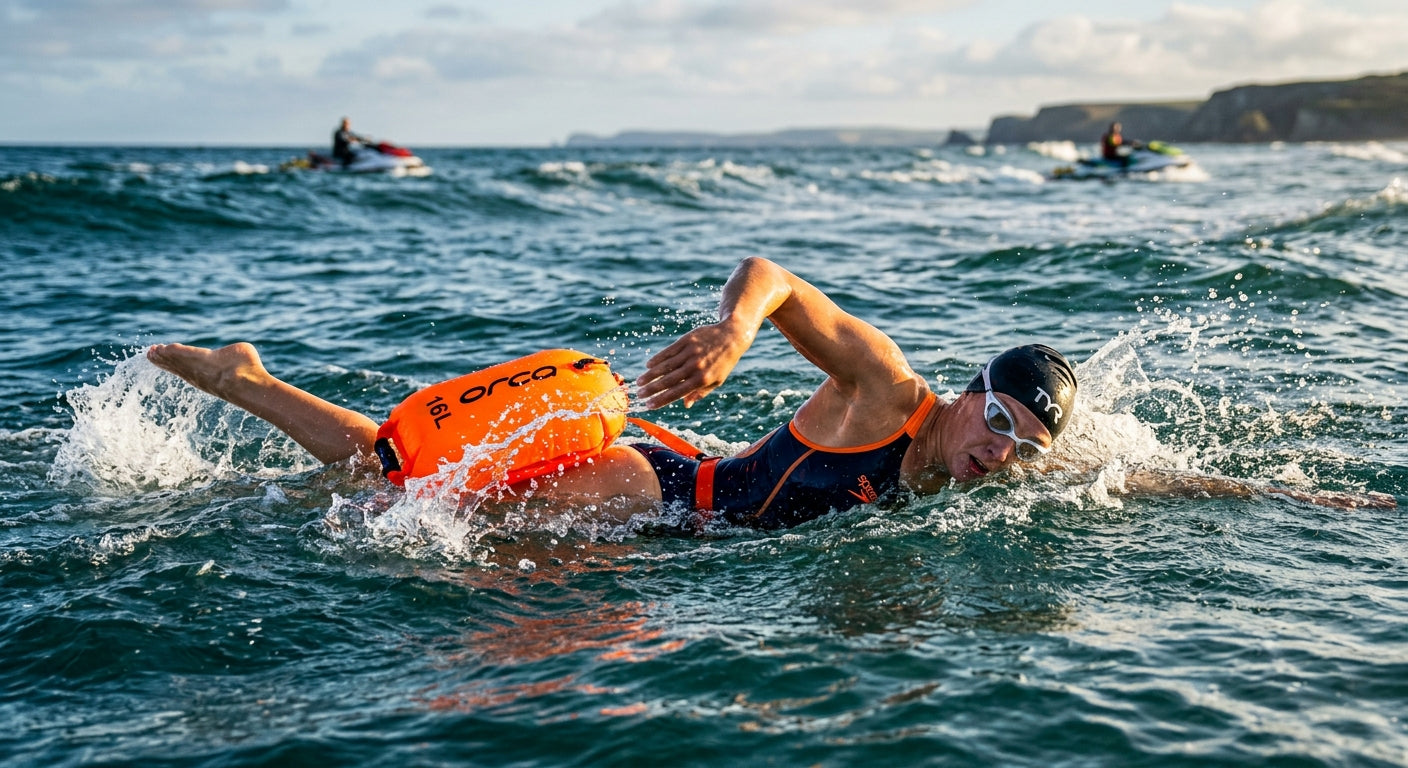
The foundation of effective sighting begins with the integration of the lift into your existing stroke cycle rather than treating it as a separate, disruptive movement. To initiate the process, prioritise the 'alligator eyes' technique. As your hand enters the water, press down slightly with your lead arm, using that downward pressure to lift the crown of your head just high enough for your eyes to break the surface. It is critical to keep your chin tucked; lifting the head and neck too high will cause your hips to drop, instantly increasing your frontal drag.
Once you have mastered the initial lift, focus on the timing of your breath. The most efficient swimmers coordinate the sighting phase with the natural rotation of the body. As you rotate to breathe, extend your lead arm forward to provide a stable platform. This brief moment of elevation should be quick and deliberate. If you find your legs sinking, you are likely lingering too long above the surface. Practice this in the pool by sighting every six strokes until the movement feels autonomous and rhythmic.
Furthermore, ensure you are utilizing high-visibility equipment to maintain safety and confidence. A high-visibility swim buoy is an essential tool for training, providing both a visual marker for safety vessels and a tethered point for rest if needed. When selecting gear, ensure your anti-fog goggles provide a wide field of vision, as peripheral clarity is vital when scanning for buoys amidst choppy conditions. Sundried trisuits are also engineered with hydrodynamic fabrics that minimise drag, allowing you to maintain speed even when the water surface is turbulent.

Need a clear race fuelling strategy?
Get instant, practical advice on hydration and race-day nutrition directly on this page for free. Try asking Raye: 'How many grams of carbs should I take per hour during a half marathon?' Ask for fuelling advice
Tips for Improving
To refine your navigation, you must learn to sight during the phase of your stroke where you have the most stability. Avoid sighting at the very end of your recovery phase, as this is when your body is most vulnerable to losing its horizontal alignment. Instead, incorporate the sight during the early part of the pull phase. This allows the lead arm to act as an anchor, stabilising the torso and preventing the hips from fishtailing as you lift your gaze.
Another advanced strategy involves 'bilateral sighting'. While many swimmers prefer a dominant side, becoming proficient at lifting your head while rotating to both the left and right sides will prevent muscular imbalances and allow you to navigate around other athletes in a pack. In a race scenario, you will often find yourself surrounded by competitors; being able to sight without changing your stroke rhythm is the hallmark of an elite-level triathlete.
Consistency in training is paramount. Integrate 'blind' swimming sets into your routine where you close your eyes for several strokes to see how far you drift from a straight line. This exercise highlights your natural bias toward one side, allowing you to consciously adjust your pull force to compensate. By understanding your biomechanical tendencies, you can develop a more neutral, efficient path through the water, regardless of the current or swell.
Special Features & Technical Specifications
Material Composition and Hydrodynamics
Modern performance trisuits, such as those produced by Sundried, utilise advanced compression fabrics that reduce muscle vibration and fatigue. These materials feature hydrophobic coatings that ensure minimal water absorption, maintaining a lightweight profile throughout the swim leg. The integration of bonded seams further reduces friction, allowing for a more laminar flow of water over the body surface.
Optical Engineering in Goggles
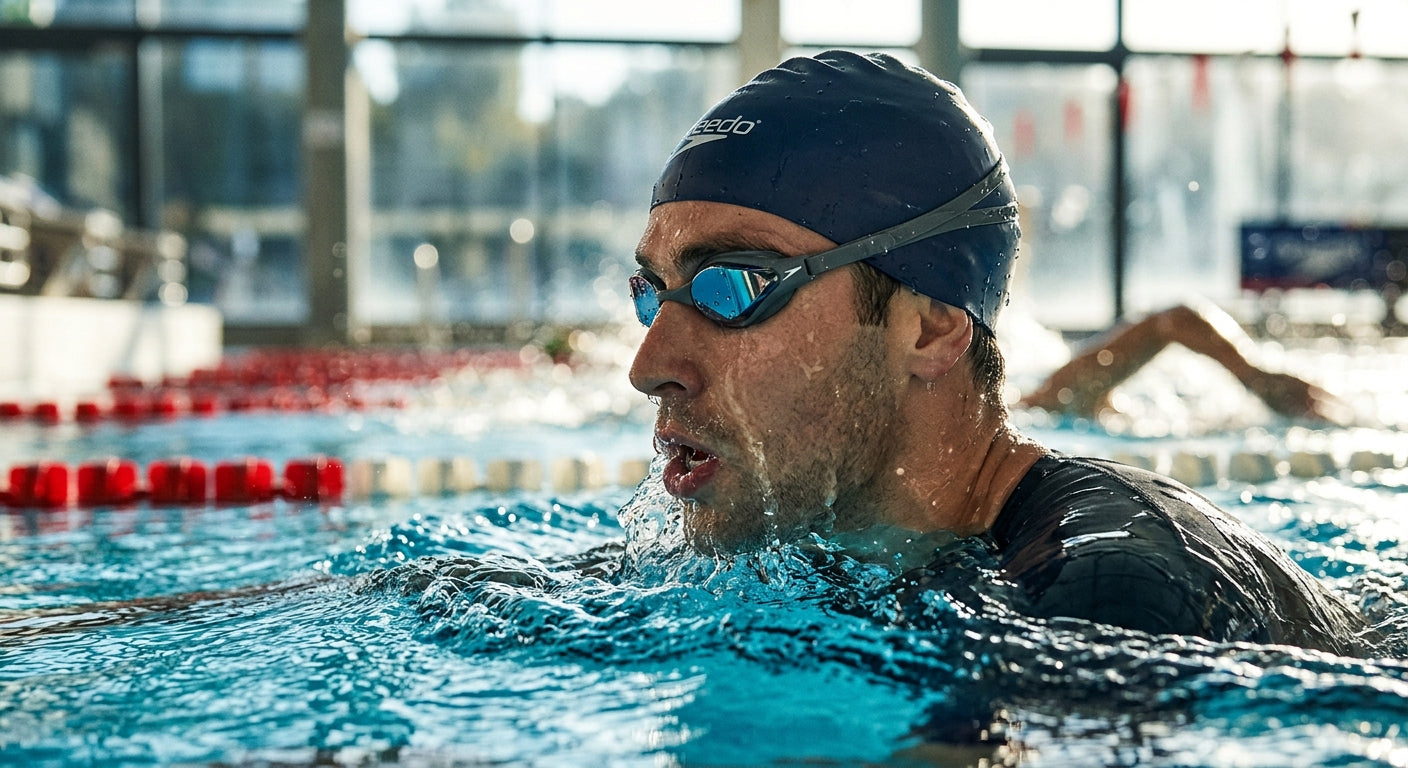
Contemporary anti-fog goggles are manufactured with polycarbonate lenses treated with hydrophilic anti-fog coatings. These are designed to maintain clarity during high-intensity efforts where body heat normally causes condensation. The bridge geometry has been redesigned in recent iterations to offer a lower profile, reducing the drag coefficient and ensuring the goggles remain secure during aggressive starts and turns in heavy swell.
Physical Dimensions and Weight
The standard high-visibility swim buoy has evolved from bulky, cumbersome models to streamlined, aerodynamic designs. Modern units typically weigh under 250 grams when empty and offer a dual-chamber inflation system for increased safety redundancy. Compared to previous generations, these devices feature a lower centre of gravity, which prevents them from bouncing excessively in high winds or choppy water, ensuring they remain directly behind the swimmer's wake.


