

Swimmer’s Shoulder Prevention: Targeted Rotator Cuff Prehab for Triathletes


Need performance advice right now?
Ask our on-site coach anything about your routines. It's completely free and available immediately right here: 'What are 3 quick exercises for ankle mobility?' Ask Raye for free
For the dedicated triathlete, the repetitive nature of freestyle swimming is a double-edged sword. While it builds cardiovascular capacity, the sheer volume of strokes—often exceeding several thousand per week—places immense mechanical stress on the glenohumeral joint. Swimmer’s shoulder, or subacromial impingement, is the most common overuse injury in the sport. It stems from the inflammation of the rotator cuff tendons as they pass through the narrow subacromial space.
Addressing this issue requires a shift in mindset: moving from reactive treatment to proactive prehabilitation. By strengthening the stabilising muscles around the shoulder blade and the rotator cuff, athletes can ensure that their joints remain centred during the high-velocity phases of the stroke. The goal is to create a robust structural foundation that can withstand the demands of intense training cycles.
How can I start out?
The foundation of any prehab programme begins with the serratus anterior. This muscle is responsible for protracting the scapula and keeping it flush against the ribcage. If this muscle is weak, the shoulder blade loses its stable base, forcing the rotator cuff to overcompensate. Start by performing scapular push-ups, focusing on the full range of motion without bending your elbows. Maintain a flat back and prioritise the 'push' through the shoulder blades at the top of the movement.
Next, integrate external rotation exercises using Sundried resistance bands. These bands provide the constant tension required to fire the infraspinatus and teres minor. Secure the band at elbow height, keep your elbow tucked firmly into your ribcage, and rotate your forearm outward. The movement must be slow and controlled; avoid using momentum to complete the set. Aim for three sets of fifteen repetitions at the end of each dry-land session.
Do not neglect the posterior chain. A rounded-shoulder posture, common in cyclists, often exacerbates swimming impingement. Incorporate face pulls, focusing on pulling the band toward your forehead while externally rotating your hands. This movement corrects posture and reinforces the posterior deltoid, which acts as a critical counterbalance to the repetitive internal rotation inherent in the swimming stroke.

Tips for Improving
Consistency is the primary driver of success in rotator cuff health. Rather than performing massive, infrequent bouts of exercise, integrate these movements into your daily routine. Ten minutes of focused prehab before each swim session will yield significantly better long-term results than a single hour-long session once per week. Use a compression top to maintain warmth around the shoulder girdle, which can help in keeping the muscles supple and ready for activation.

Need a clear race fuelling strategy?
Get instant, practical advice on hydration and race-day nutrition directly on this page for free. Try asking Raye: 'How many grams of carbs should I take per hour during a half marathon?' Ask for fuelling advice
Monitor your stroke mechanics during high-intensity intervals. Often, as fatigue sets in during the final stages of a set, the 'high elbow' catch collapses. This collapse forces the shoulder into a compromised position, increasing the likelihood of impingement. If you notice your technique breaking down, reduce the interval intensity or switch to a recovery tool like a massage ball to release tension in the pectoralis minor, which often becomes tight and pulls the shoulder forward.
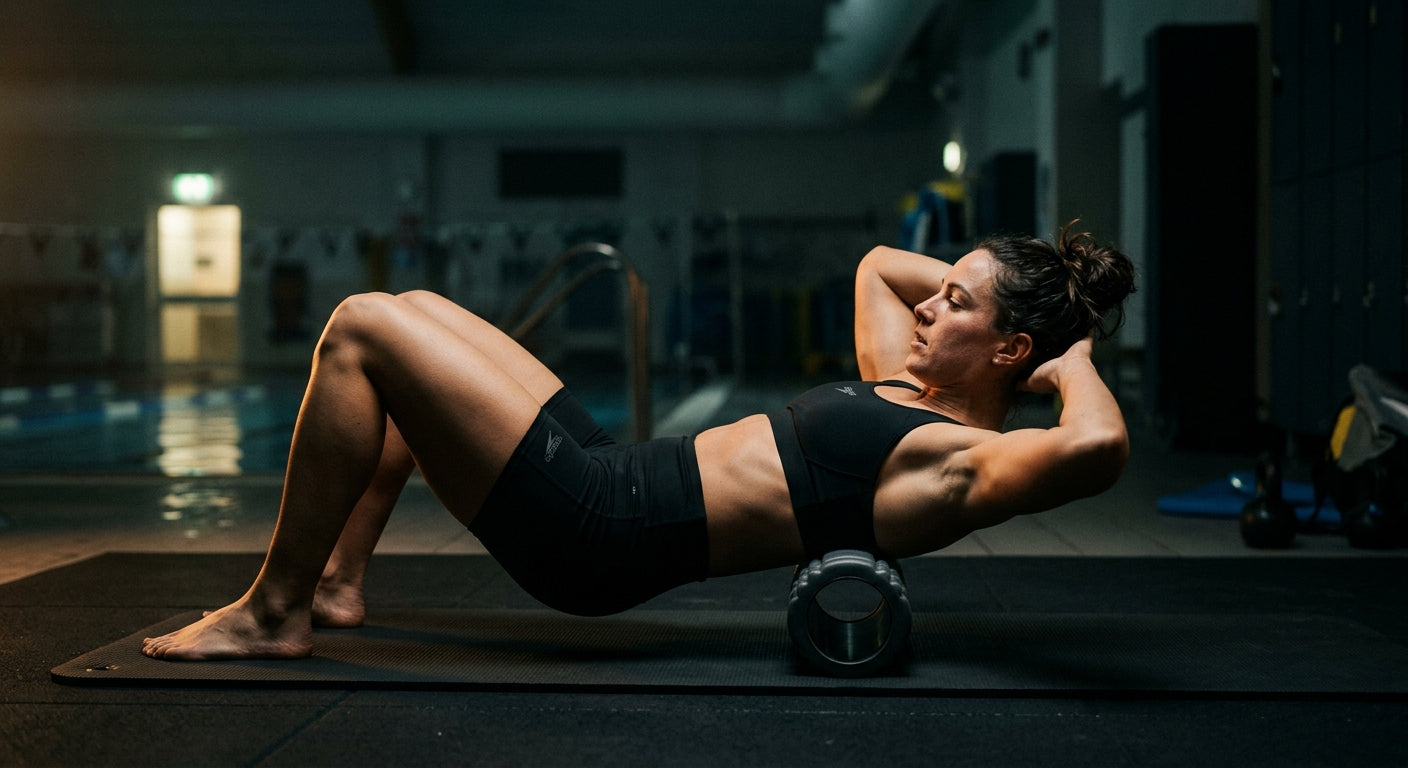
Listen to the feedback provided by your body. Minor aches are common, but sharp, stabbing sensations during the recovery phase of your stroke are a red flag. If symptoms persist, pivot to low-impact recovery work. Utilise foam rollers to address thoracic mobility, as a stiff upper back will inevitably force the shoulder to do work it is not designed to handle. A mobile thoracic spine is essential for an efficient, injury-free stroke.
Special Features & Technical Specifications
Material Composition
Sundried resistance bands are engineered from high-grade, natural latex, providing a consistent tension curve that prevents snapping or degradation over time. The surface texture is non-slip, ensuring a secure grip even when the athlete is perspiring heavily during intensive training blocks.
Physical Dimensions and Engineering
The bands feature a calibrated length of 1.2 metres, allowing for a versatile range of motion across all planes of movement. Compared to previous generations, the current engineering iteration includes reinforced anchor points and an increased tensile strength variance, allowing for a smoother transition from concentric to eccentric phases of the movement.
Weight and Portability
Weighing less than 200 grams, these tools are designed for the nomadic triathlete. Their lightweight profile allows for seamless integration into transition bags, ensuring that prehabilitation protocols can be maintained whether you are at home, in the gym, or travelling for a race weekend.
By systematically addressing the stabilising muscles and prioritising shoulder mobility, you can mitigate the risk of injury and extend your athletic career. The investment in these small, repetitive movements is an investment in your performance, ensuring that you remain in the water rather than on the sidelines.


