

Sprint Power Workouts: Recruiting Fast-Twitch Muscle Fibres


Trying to beat your local Strava segment goals?
Fine-tune your training strategies to hit your target stats without downloading another app. Try asking Raye: 'How can I structure hill repeats to build short-segment power?' Ask how to hit your target
The Physiology of Explosive Cycling
The pursuit of peak cycling performance is a relentless scientific endeavour, one that demands a precise understanding of neuromuscular recruitment. While aerobic capacity often dominates the conversation, the ability to generate instantaneous, maximal power is what separates the podium contenders from the rest of the peloton. This capability is fundamentally rooted in the recruitment of Type IIb fast-twitch muscle fibres.
These high-threshold motor units are the engines of explosive acceleration. Unlike the oxidative Type I fibres that sustain endurance, Type IIb fibres provide massive force output but fatigue rapidly. For the modern cyclist, the objective is to improve the efficiency and recruitment frequency of these fibres through targeted sprint power workouts.
How can I start out?
Initiating a sprint-focused regimen requires a departure from steady-state zone two training. To begin, athletes must prioritise neuromuscular activation. Before attempting maximal efforts, ensure your central nervous system is primed. Start with a 20-minute progressive warm-up, incorporating short, high-cadence bursts to stimulate blood flow and neural pathways without inducing significant metabolic fatigue.
The foundational workout for a beginner is the short-duration sprint interval. Execute five to eight efforts of six seconds at maximal intensity, separated by three minutes of full recovery. The goal is not endurance; it is the quality of the contraction. If your power output drops by more than ten per cent, the set is complete. Recovery is vital to ensure the phosphocreatine energy system fully replenishes between efforts.
Tips for Improving
Progressing beyond the basics requires moving into the realm of anaerobic capacity and neuromuscular fatigue resistance. Once you have established a baseline of maximal force production, introduce 'over-speed' training. This involves sprinting on a slight descent or using a lower gear to force your legs to move at a cadence beyond your natural maximum, pushing the nervous system to coordinate muscle firing patterns at unprecedented speeds.
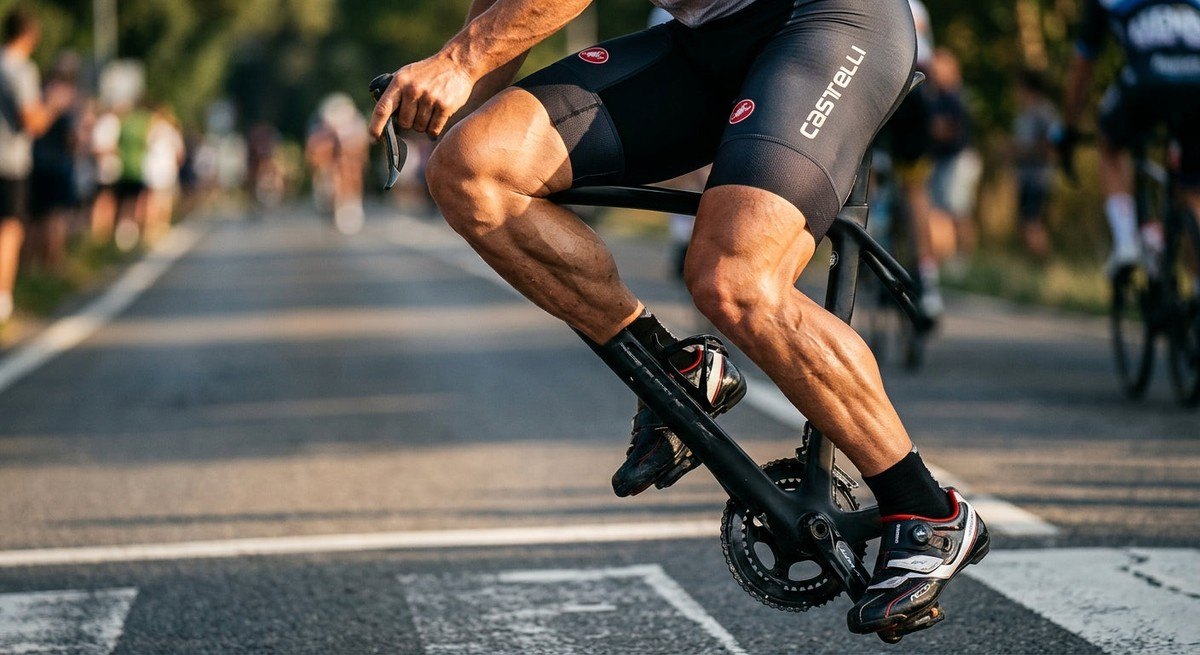
Furthermore, do not neglect the role of strength training in the gymnasium. Heavy, low-repetition squats and deadlifts are essential for increasing the force-producing potential of the lower limbs. When coupled with on-bike sprint intervals, this hybrid approach creates a synergistic effect, allowing the cyclist to apply greater torque to the pedals during the critical first three seconds of a sprint.
Consistency in tracking is also paramount. Use a power meter to analyse your 'mean maximal power' across various durations. If you notice a plateau, manipulate your recovery intervals or introduce complex training, such as performing a heavy strength set followed immediately by a maximal bike sprint. This 'post-activation potentiation' can lead to significant gains in raw power output.

Hit a wall with form, pacing, or fatigue?
Skip searching forums. Chat directly on this page with our performance coach to solve training issues in seconds: 'How do I prevent side stitches on long runs?' Troubleshoot your run
Special Features & Technical Specifications
Material Composition and Aerodynamics
Modern sprint-optimised frames utilise ultra-high-modulus carbon fibre layups designed to minimise lateral flex. By increasing the stiffness-to-weight ratio in the bottom bracket shell, engineers ensure that every watt of force generated by the rider is transferred directly to the drivetrain rather than being lost to frame oscillation.
Physical Dimensions and Engineering
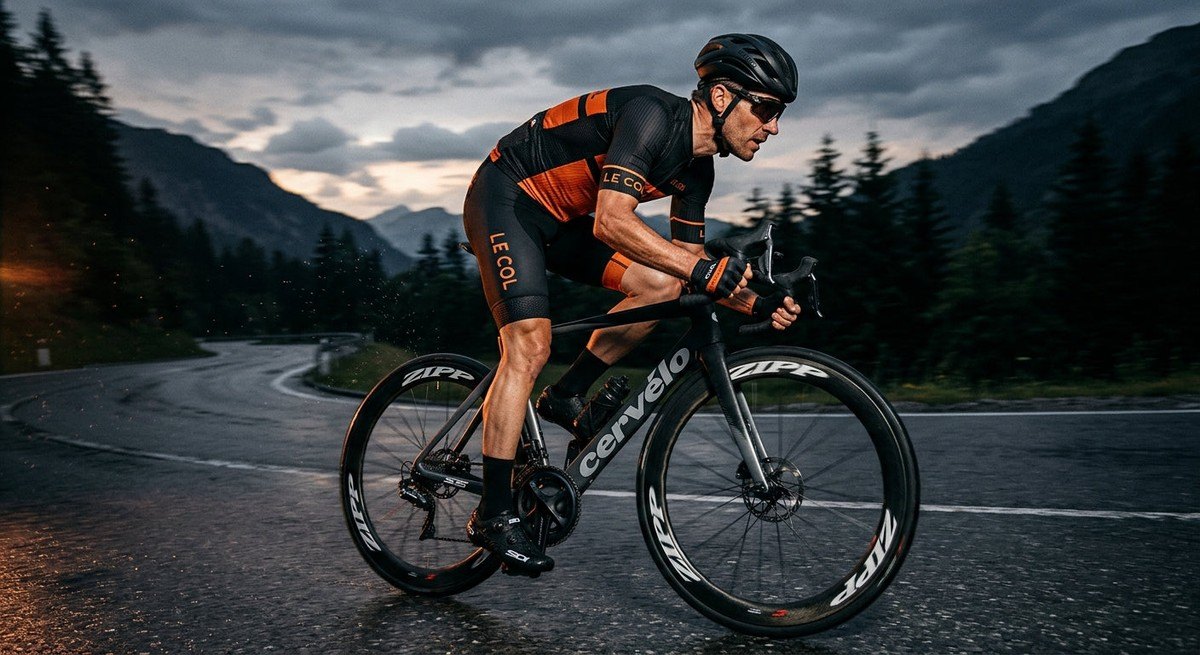
The geometry of a dedicated sprint bike has evolved to feature a shorter head tube and a steeper seat tube angle. These adjustments allow the rider to adopt a more aggressive, aerodynamic position, reducing the frontal surface area and allowing for a more efficient transfer of power from the hips to the pedals. Compared to previous generations, modern frames have seen a 15% increase in torsional rigidity.
Weight and Performance Metrics
Current professional-grade sprint frames hover around the 700 to 850-gram mark for the chassis. This reduction in mass, combined with deep-section aerodynamic wheels, reduces rotational inertia. The engineering shift toward integrated cockpits has further reduced drag, allowing cyclists to achieve higher terminal velocities during the final sprint phase.
In conclusion, the recruitment of fast-twitch fibres is a sophisticated interplay of neural drive, muscle strength, and metabolic capacity. By meticulously structuring your sprint workouts and respecting the need for full recovery, you can unlock a new echelon of cycling performance. Treat your training as a laboratory, track your metrics with rigour, and watch as your power output climbs to new heights.


