

Pacing Mechanics for Half and Full Ironman: Negative Splitting vs RPE Management


Dealing with a nagging injury or tightness?
Get instant recovery guidance, stretching protocols, and rest advice right now without leaving the site. Try asking Raye: 'What are the best stretches to relieve tight calves after a long run?' Get recovery advice
Mastering the Long Course Strategy
In the high-stakes arena of long-course triathlon, the difference between a podium finish and a mid-pack struggle often comes down to the science of pacing. For athletes tackling the 70.3 or 140.6 distances, the primary objective is to manage metabolic expenditure across three distinct disciplines. The debate between negative splitting—finishing the second half faster than the first—and Rate of Perceived Exertion (RPE) management is central to modern endurance coaching.
Negative splitting is a physiological ideal, requiring an athlete to hold back during the initial stages of a race to conserve glycogen stores for a final surge. However, the inherent variability of road cycling and open-water swimming makes strict negative splitting difficult to execute. Instead, many professional triathletes are shifting toward a hybrid model that prioritises RPE as the primary indicator of effort, allowing for adjustments based on wind, terrain, and weather conditions.
How can I start out?
To begin your journey into precise pacing, you must first establish your aerobic ceiling. This is best achieved through a structured threshold test, which provides the baseline data for your power and heart rate zones. By understanding your functional threshold power (FTP) on the bike and your lactate threshold on the run, you can set firm caps that prevent premature burnout.
Next, it is vital to integrate these metrics into your training sessions. Do not rely solely on technology; develop an internal sense of RPE. On a scale of one to ten, you should be able to identify your Ironman effort—typically a six or seven—without constantly glancing at your bike computer. This internal calibration is the bedrock of successful long-distance racing.
Equipping yourself with the right kit is equally essential for aerodynamic efficiency. Sundried trisuits and aero-optimised apparel are designed to reduce drag, allowing you to maintain your target power output with less energy consumption. By minimising aerodynamic resistance, you gain more time for less effort, effectively lowering your RPE for any given speed.
Tips for Improving
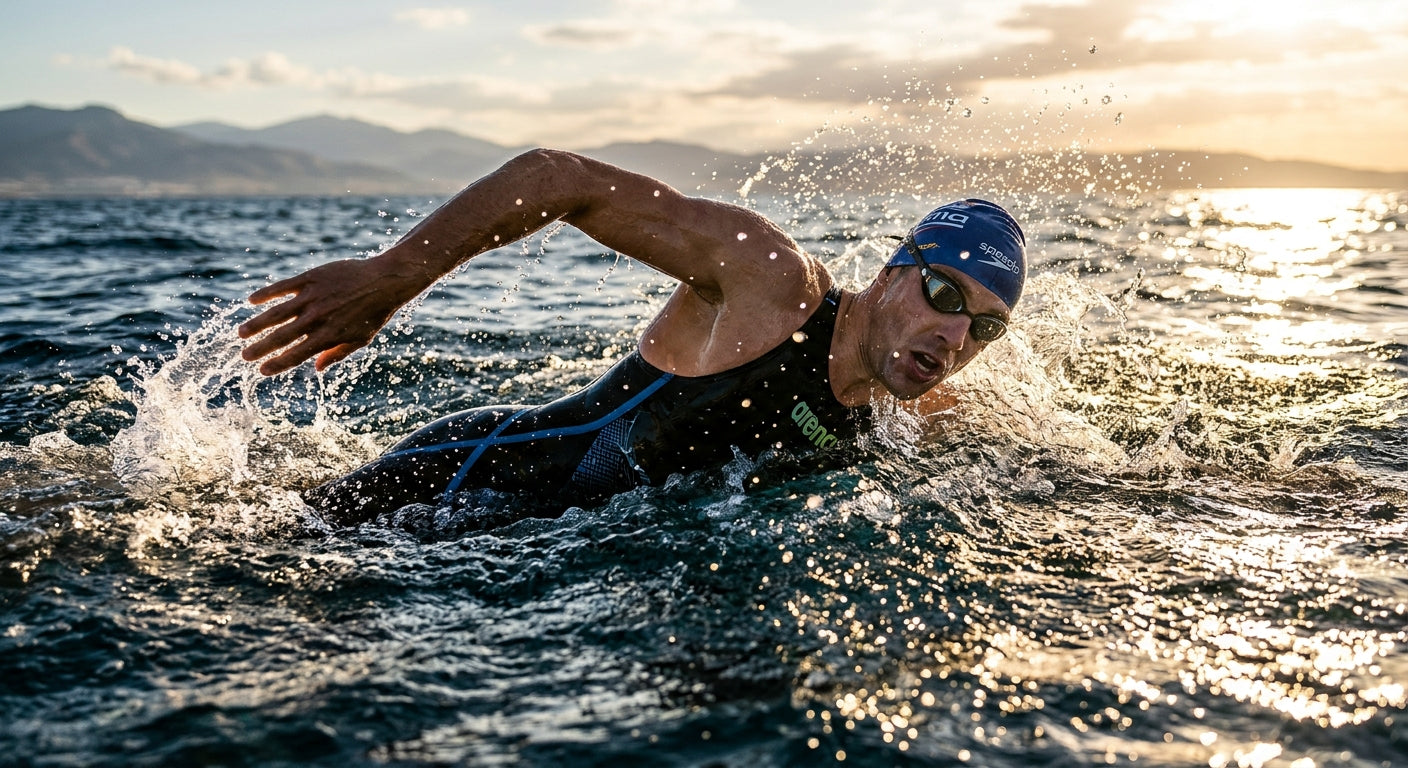
Refining your pacing requires a granular approach to each leg of the race. During the swim, focus on a sustainable rhythm that avoids spiking your heart rate. The goal is to exit the water with your legs fresh, ready to settle into your target cycling wattage. Avoid the temptation to chase faster swimmers early; the bike leg is where the race is truly won or lost.
On the bike, focus on consistency. Use your power meter to stay within 5% of your target wattage, regardless of the terrain. When climbing, it is tempting to push hard, but this is a common trap that leads to muscular fatigue on the run. Maintain a steady effort, and rely on your aero accessories to maintain momentum on the descents.

Have a quick training or recovery question?
Get fast expert advice right here on the page—no sign-up, account, or app needed. Try asking Raye: 'What's the best way to relieve tight calves after a run?' Ask a question now
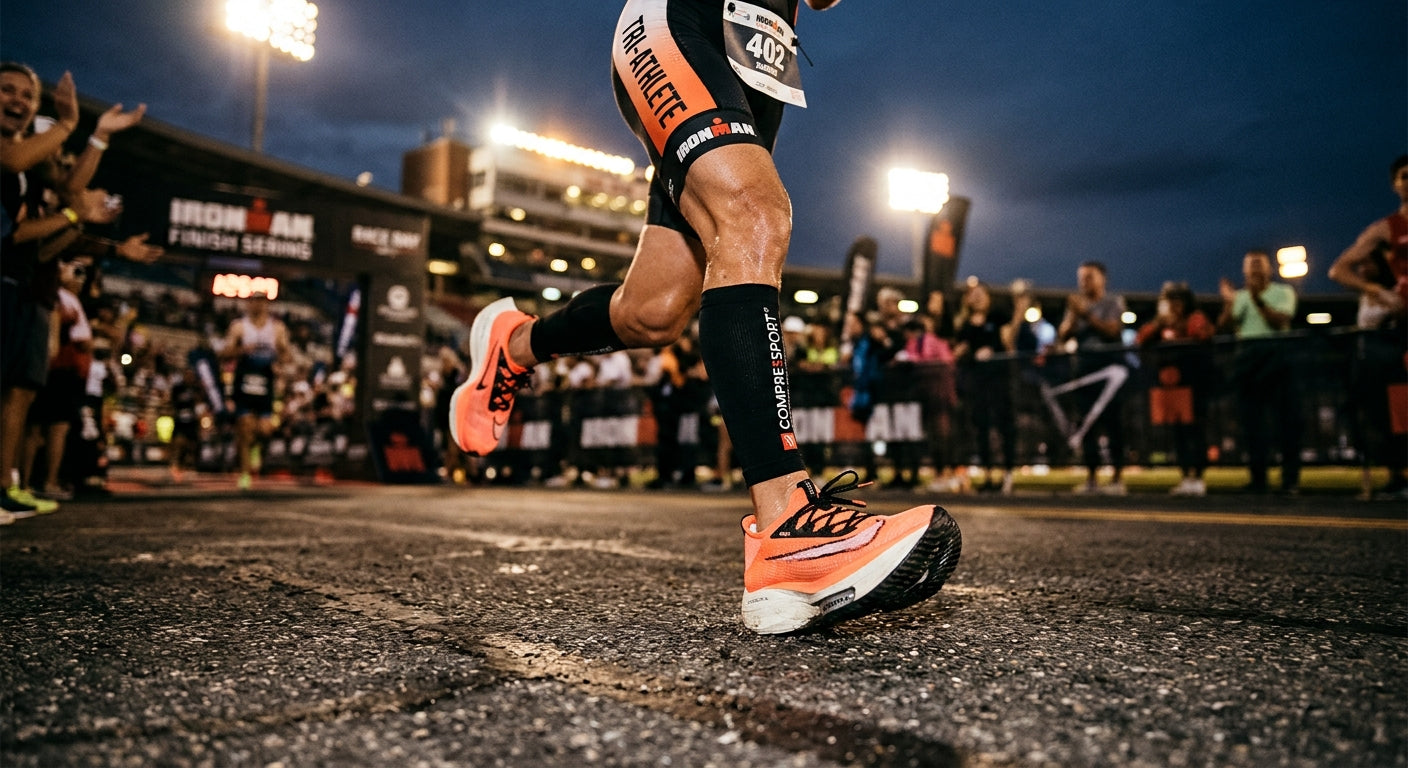
The run is the ultimate test of your pacing strategy. Start the first five kilometres at a conservative pace, focusing on a high cadence and relaxed shoulders. If your RPE remains stable, you can gradually increase your speed. By the final quarter of the marathon, you should aim to empty the tank, using the energy you conserved during the initial stages to push through the fatigue.
Special Features & Technical Specifications
Material Composition
Sundried’s latest range of trisuits utilises a bespoke blend of Italian-sourced polyamide and elastane. This engineered fabric is designed for moisture-wicking, rapid evaporation, and muscle compression, which helps mitigate the build-up of lactic acid during high-intensity efforts.
Physical Dimensions and Engineering
The updated apparel line features a seamless construction to reduce chafing during the high-friction movements of the swim and run. Compared to previous generations, the panel architecture has been re-engineered to facilitate a more aggressive aero-tuck position on the bike, significantly reducing the frontal surface area.
Weight and Performance
The total weight of the elite-tier trisuit has been reduced by 15% through the implementation of ultra-lightweight, laser-cut bonded seams. This reduction in mass, combined with improved thermal regulation, ensures the athlete remains within their optimal core temperature range, preventing performance degradation caused by heat stress.
Ultimately, the synergy between technology and physiological awareness is what separates the elite from the amateur. By utilising data-driven pacing strategies and high-performance gear, you can effectively manage your output, ensuring that you arrive at the finish line having maximised your biological potential. Remember, the race is not just a test of fitness; it is a test of discipline.


