

Off-Season Base Building: Winter Miles for Summer Smiles


Want to build strength to support your running?
Get targeted strength routines and mobility exercises designed specifically for runners directly on-site. Try asking Raye: 'What are 3 key gym exercises to improve running economy?' Get strength tips
The transition from the sun-drenched tarmac of mid-summer to the biting chill of winter represents the most critical juncture in a cyclist's calendar. While the amateur might view the drop in temperature as an excuse to hang up the bike, the serious athlete identifies this period as the foundational bedrock for the following season. Off-season base building is not merely about maintaining fitness; it is a calculated engineering project for your physiology.
Developing your aerobic engine during the winter months requires a shift in focus from high-intensity threshold efforts to sustained, steady-state endurance. By prioritising Zone 2 training, you allow your body to improve mitochondrial efficiency and fat metabolism. This systematic approach ensures that when the first race or sportive of the spring arrives, your body is primed for sustained power output rather than early burnout.
How can I start out?
The first step in your winter transformation is the establishment of a structured training plan. If you are training solo, look towards virtual cycling subscription apps that simulate real-world climbs and offer structured workouts. These platforms provide the necessary data metrics—power output, heart rate, and cadence—to ensure you are hitting the specific physiological targets required for base building.
Next, you must address your kit. The British winter is unforgiving, and the right winter apparel is the difference between a productive session and a miserable experience. Invest in high-quality thermal bib tights, wind-resistant softshell jackets, and waterproof overshoes. When you are warm and comfortable, your ability to maintain consistent effort increases, and your motivation to train remains resilient against the grey skies.
Finally, consider the utility of a high-performance indoor trainer. The modern direct-drive trainer offers unparalleled accuracy and a realistic road feel that was absent in previous generations. By integrating indoor sessions into your weekly schedule, you eliminate the risks associated with icy roads and limited daylight, ensuring your training remains consistent regardless of the weather conditions outside.
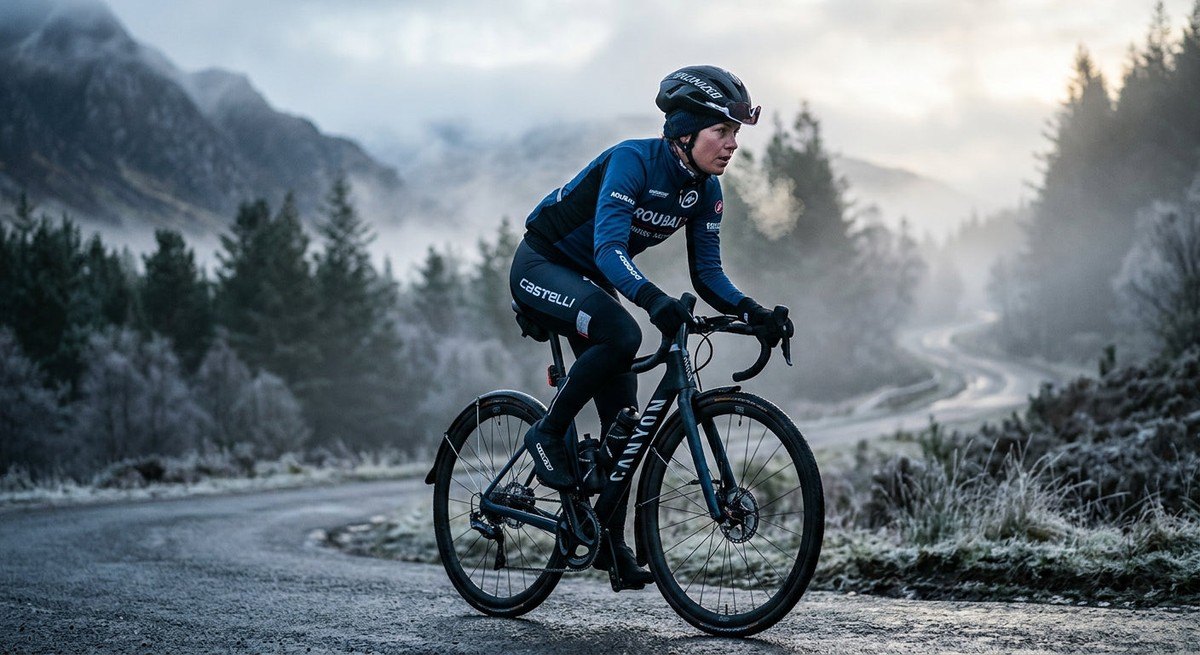
Tips for Improving
To truly maximise your off-season, you must embrace the concept of periodisation. Do not aim for peak performance in December; instead, focus on volume. Gradually increase your weekly time in the saddle, ensuring that the majority of these hours are spent at a conversational pace. This 'polarised' approach—easy miles for the base, with minimal high-intensity work—is the hallmark of professional endurance preparation.

Have a specific performance goal in mind?
Get direct feedback on your training targets right here on the page—no sign-up or account required. Try asking Raye: 'How should I adjust my weekly mileage for a sub-20 minute 5K?' Ask about your goals
Nutrition is another pillar of success. During the off-season, your fuelling strategy should shift to match your energy expenditure. While you are not burning the same calories as you would during a five-hour summer stage, you must still provide your muscles with the amino acids and complex carbohydrates necessary for recovery. Prioritise whole foods and hydration, and do not neglect the importance of strength and conditioning work in the gym to bolster core stability.
Consistency is the ultimate metric. It is far better to complete five hours of low-intensity work every week throughout the winter than to attempt a single heroic ten-hour ride that leaves you injured or fatigued. Listen to your body, track your progress using analytic software, and be prepared to adjust your volume based on your recovery markers. The winter miles you bank now are the dividends that will pay out in speed and endurance when the sun returns.
Special Features & Technical Specifications
Material Composition
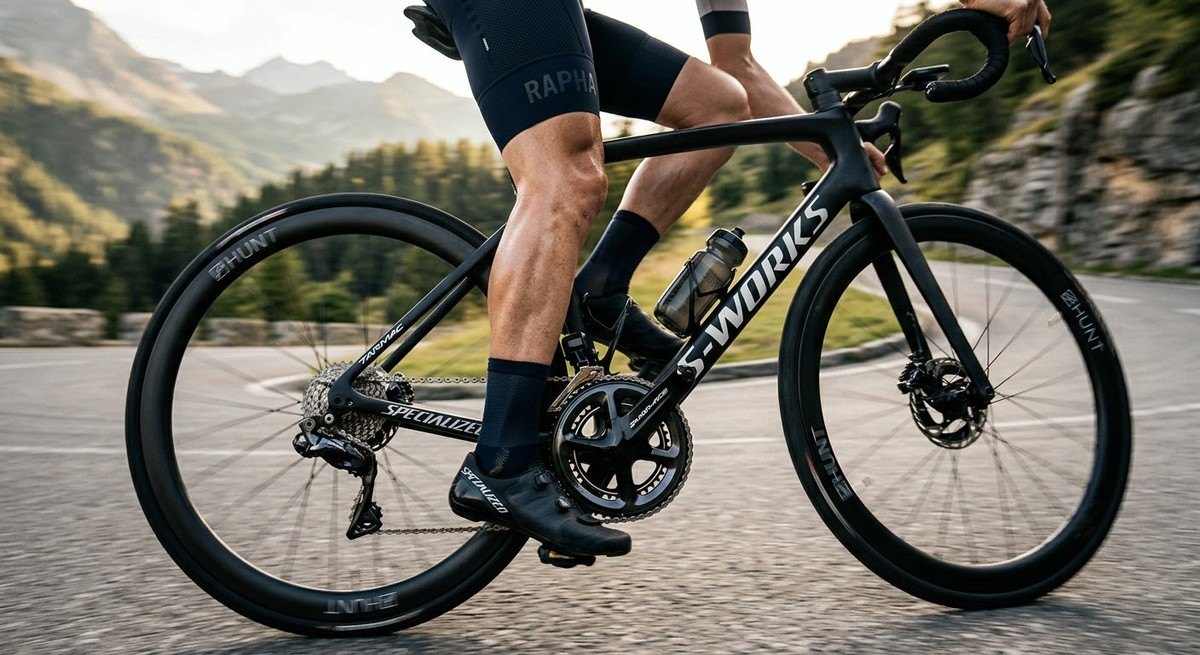
Modern cycling equipment utilises advanced carbon fibre layups and aerodynamic textiles. Winter-specific apparel now integrates hydrophobic coatings and thermal-regulating membranes that maintain breathability while locking in body heat, a significant evolution from the bulky, non-breathable materials of a decade ago.
Physical Dimensions and Engineering
Contemporary smart trainers have been engineered with smaller footprints and foldable legs, allowing for easier storage in urban settings. The inclusion of electromagnetic resistance units allows for silent operation and near-instantaneous changes in resistance, mimicking the gradient shifts of the world's most iconic mountain passes.
Weight and Performance Metrics
The latest generation of indoor trainers has seen a weight reduction of approximately 15% compared to previous iterations, while simultaneously increasing the flywheel weight for improved inertia. This engineering shift provides a more natural pedal stroke, crucial for maintaining form during long, steady-state winter intervals.
By adopting these expert strategies and utilising the latest in cycling technology, you can ensure that your winter is not a period of stagnation, but a season of profound growth. The path to summer success is paved with the discipline of the off-season. Secure your base now, and the results will be undeniable when you return to the open road.


