

Mobility Routines for Desk Workers Who Race on Weekends


Want to build strength to support your running?
Get targeted strength routines and mobility exercises designed specifically for runners directly on-site. Try asking Raye: 'What are 3 key gym exercises to improve running economy?' Get strength tips
The Sedentary Paradox
For the modern athlete, the greatest threat to personal bests is not the intensity of the track, but the eight hours spent hunched over a workstation. The corporate demographic faces a unique physiological crisis: long-term spinal compression and hip flexor shortening that directly counteract the explosive power required for competitive racing. This mobility deficit creates a structural bottleneck that limits stride length and increases the risk of acute injury.
The reality is that your office chair is silently sabotaging your weekend performance. By maintaining a seated posture for prolonged periods, the hip flexors become chronically tight, effectively 'switching off' the gluteal muscles. This phenomenon, known as reciprocal inhibition, means that when you transition from the boardroom to the starting line, your posterior chain fails to fire with the necessary force.
How can I start out?
The journey to athletic longevity begins with a systematic approach to movement restoration. You must prioritise daily maintenance over sporadic, high-intensity stretching sessions. Start by integrating a 'desk-reset' protocol every ninety minutes. This involves standing up to perform deep lunges or thoracic spine rotations to counteract the forward-slumping posture endemic to office environments.
Consistency is the primary driver of change. Dedicate ten minutes each morning to dynamic mobility work. Focus on ankle dorsiflexion and thoracic extension, as these areas are the first to seize up during sedentary workdays. By treating mobility as a non-negotiable training pillar, you prepare your musculoskeletal system for the high-impact demands of weekend competition.
Incorporate the Couch Stretch into your evening wind-down. This movement is essential for lengthening the iliopsoas, which becomes severely restricted by prolonged sitting. By anchoring your knee against a wall and keeping your torso upright, you force the muscle to lengthen under tension, effectively reversing the structural damage sustained throughout the working week.

Tips for Improving
To elevate your mobility, you must transition from static holding to dynamic, load-bearing movement. Utilise a foam roller not just for recovery, but for tissue preparation. Focus on the thoracic spine and the lateral chain, ensuring you address the fascial tightness that accumulates after hours of typing and screen time.
Prioritise glute activation exercises before any training session. Movements like lateral band walks or single-leg bridges are non-negotiable. They wake up the dormant muscles that have been suppressed by your chair, ensuring that your power output on the track is maximised from the very first stride.

Have a specific performance goal in mind?
Get direct feedback on your training targets right here on the page—no sign-up or account required. Try asking Raye: 'How should I adjust my weekly mileage for a sub-20 minute 5K?' Ask about your goals
Listen to your body’s biofeedback. If you notice persistent stiffness in the lower back, it is likely a symptom of restricted hip mobility rather than a spinal issue. By tackling the hips, you often alleviate secondary symptoms throughout the kinetic chain, allowing for more fluid, efficient motion during high-intensity efforts.
Special Features & Technical Specifications
Material Composition and Engineering
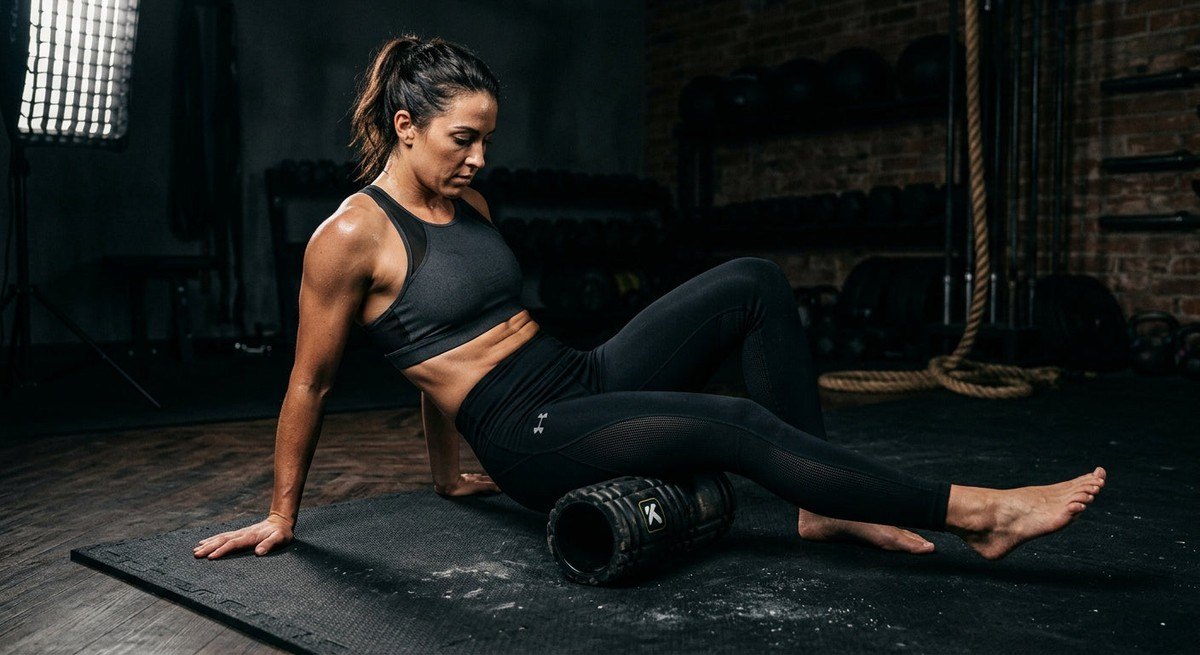
Modern mobility tools utilise high-density ethylene-vinyl acetate (EVA) foam, engineered for maximum structural integrity under pressure. Unlike older, softer models, these tools provide the requisite depth for myofascial release, ensuring that muscle fibres are effectively separated from the surrounding fascia.
Physical Dimensions and Ergonomic Impact
Standard mobility rollers now feature a 15-centimetre diameter, optimised for reaching deep into the musculature of the hamstrings and quadriceps. The length of 45 centimetres allows for bilateral application, ensuring symmetry in your mobility routine—a critical factor for preventing imbalances that lead to chronic injury.
Generational Advancements
Compared to previous generations of recovery equipment, contemporary designs integrate textured surface mapping. These ridges mimic the hands of a massage therapist, providing targeted pressure points. This engineering shift represents a major upgrade from the smooth, flat cylinders of the past, allowing for a more surgical approach to tight muscle knots.
Ultimately, the desk-bound athlete must recognise that performance is holistic. Your weekend race is won during the quiet hours of the week, through the deliberate, analytical application of mobility work. By investing in your structural health, you protect your most valuable asset: your ability to compete at the highest level without compromise.


