

Non-Functional Overreaching vs Functional Overreaching: Early Warning Signals


Trying to beat your local Strava segment goals?
Fine-tune your training strategies to hit your target stats without downloading another app. Try asking Raye: 'How can I structure hill repeats to build short-segment power?' Ask how to hit your target
Understanding the Physiological Threshold
For the elite triathlete or competitive runner, the fine line between physiological adaptation and systemic collapse is often blurred by the pursuit of personal bests. Functional overreaching (FOR) represents a deliberate, short-term accumulation of fatigue designed to elicit a supercompensation effect. When managed correctly, this provides the stimulus necessary for speed and endurance gains. However, when the recovery architecture fails, athletes frequently cross into the dangerous territory of non-functional overreaching (NFOR), a precursor to full-blown overtraining syndrome.
Recognising the distinction is not merely an academic exercise; it is a fundamental requirement for career longevity. NFOR is characterised by a stagnant or declining performance level that persists despite extended rest, often accompanied by neuroendocrine dysregulation. In this state, the body is no longer adapting to the workload; it is struggling to maintain homeostasis.
How can I start out?
The first step in monitoring your training load is the implementation of a rigorous, data-driven tracking protocol. You must prioritise the objective measurement of your autonomic nervous system (ANS) markers. By recording your resting heart rate (RHR) upon waking each morning, you create a baseline. A consistent elevation of five or more beats per minute over your established average is a primary early warning signal that your sympathetic nervous system is under chronic stress.
Beyond heart rate, you must track your heart rate variability (HRV). A sustained downward trend in HRV is a clinical indicator that your body is failing to transition into a parasympathetic state, even during sleep. This data should be integrated into your training log alongside qualitative metrics, such as subjective mood disturbances, sleep quality, and perceived exertion levels during standard interval sessions.
Tips for Improving
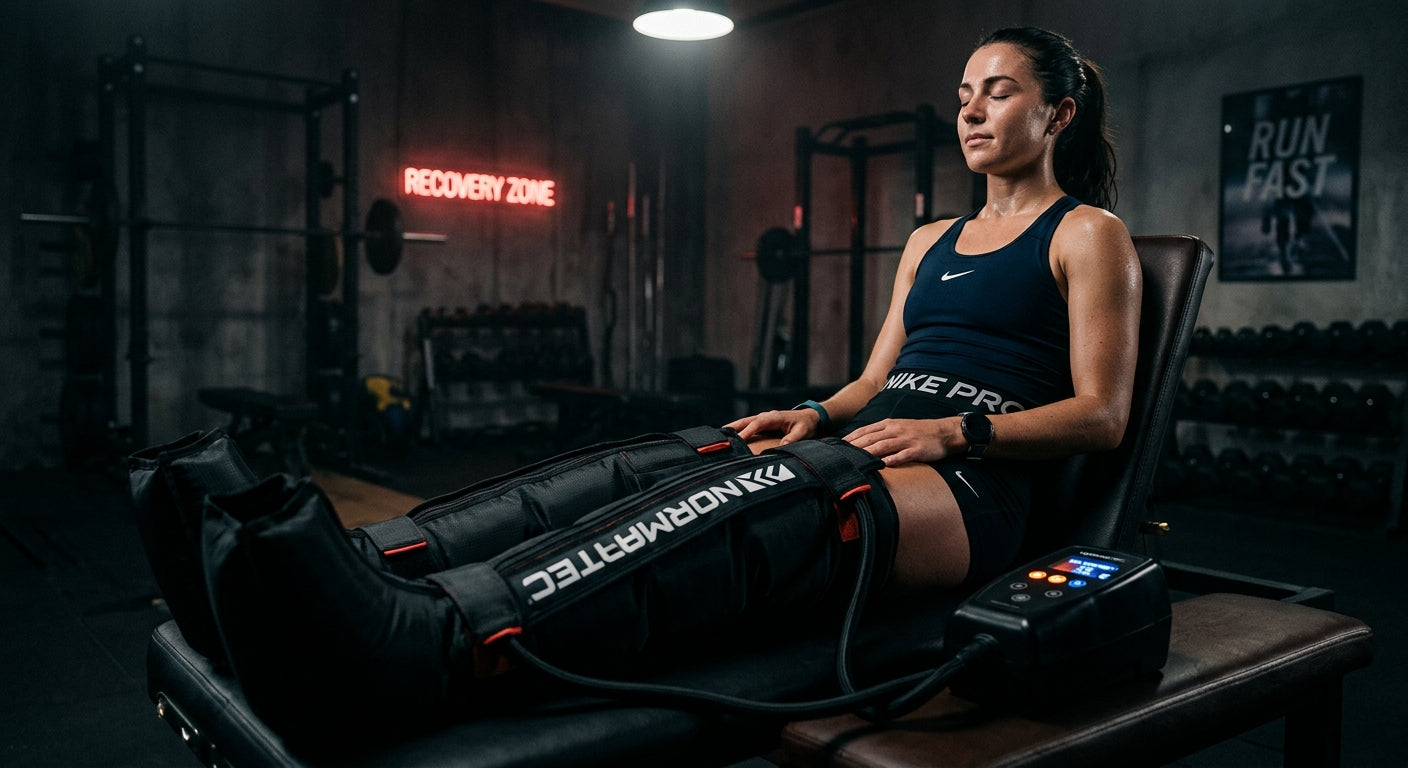
To mitigate the risks of NFOR, you must treat recovery with the same professional intensity as your track sessions. The integration of high-performance recovery tools is essential. Utilising Sundried recovery boots can significantly accelerate venous return and reduce the inflammatory markers associated with high-volume cycling and running. These devices act as a mechanical intervention to assist the lymphatic system in clearing metabolic waste.
Physical tissue maintenance is equally vital. Regular sessions with high-density foam rollers ensure that fascial restrictions do not compound over time, which can lead to biomechanical compensations and subsequent injury. Furthermore, optimising your sleep environment is non-negotiable. Investing in dedicated recovery sleepwear, designed to regulate body temperature and promote circulation, can enhance the restorative quality of your REM cycles, ensuring that your hormonal profile remains balanced.

Hit a wall with form, pacing, or fatigue?
Skip searching forums. Chat directly on this page with our performance coach to solve training issues in seconds: 'How do I prevent side stitches on long runs?' Troubleshoot your run
Special Features & Technical Specifications
Material Composition and Engineering
Modern recovery wear and compression technology have undergone significant shifts. Current iteration recovery boots utilise medical-grade nylon composites with antimicrobial coatings, prioritising durability and hygiene. The engineering focus has shifted from simple static compression to dynamic sequential pulsation, which mimics the natural muscle pump of the lower limbs more effectively than previous generations.
Physical Dimensions and Weight
The latest generation of recovery units has achieved a 15% reduction in total mass compared to legacy models, now weighing approximately 2.4 kilograms. The units feature a modular design, allowing for a centre-point adjustment in the pneumatic chambers to accommodate varying limb lengths, ensuring the compression profile is tailored to the individual athlete’s anthropometry.
Evolutionary Changes
Engineers have refined the internal pressure sensors to provide more accurate feedback, preventing the over-compression issues found in earlier hardware. By integrating micro-processor controlled inflation cycles, the device now provides a more nuanced recovery experience, specifically targeting the calf and quadriceps muscle groups with higher precision than the blunt-force compression of the past.
Identifying Systemic Warning Signs
Mood disturbances are often the most overlooked indicator of impending NFOR. If you find yourself experiencing uncharacteristic irritability, lack of motivation, or a diminished appetite, your central nervous system may already be compromised. These psychological markers frequently precede physiological performance drops by several days.
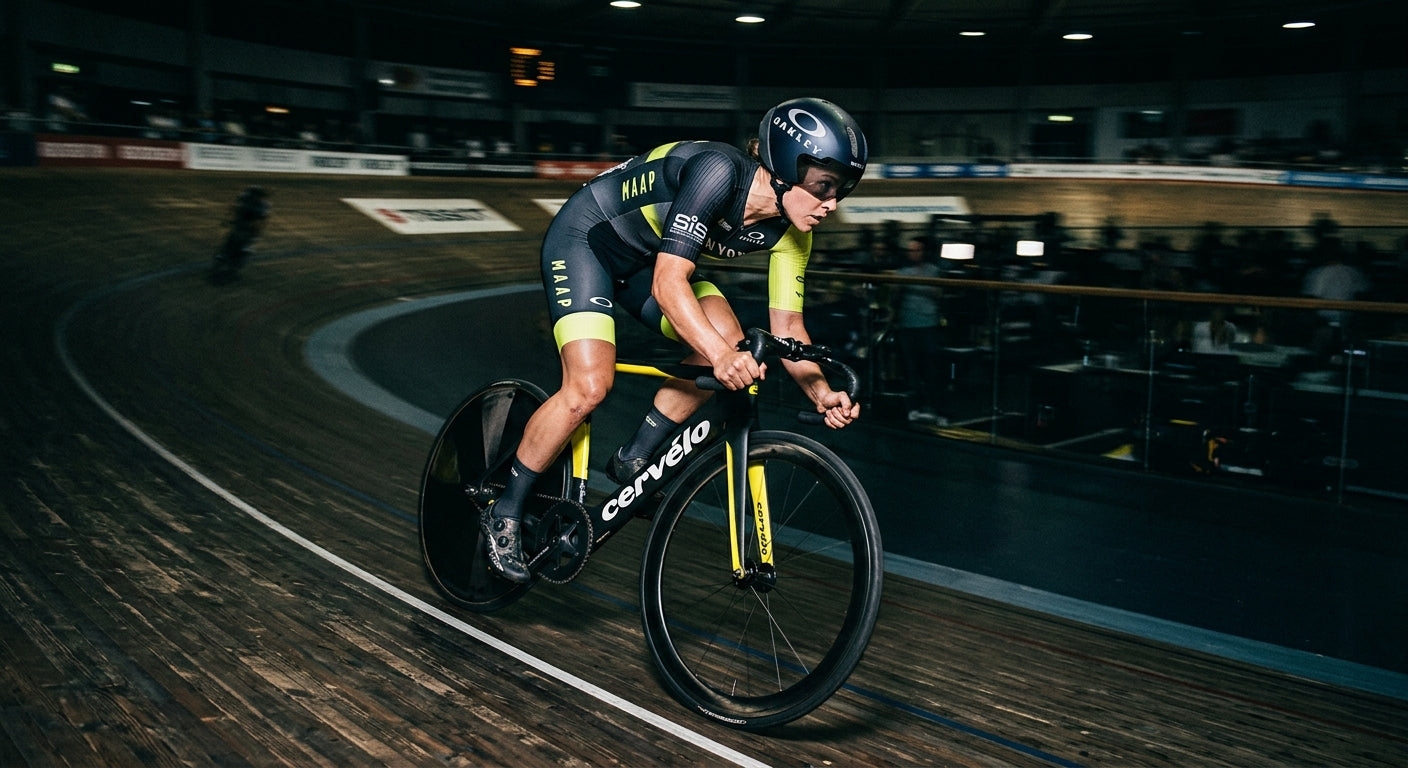
Triathletes must be particularly vigilant during high-volume blocks, such as peak marathon training or iron-distance preparation. If you notice that your power output at a standard cadence is dropping, or your running pace at a steady aerobic heart rate is slowing, stop and reassess. Do not attempt to 'push through' the fatigue; this is the moment where functional stimulus turns into systemic damage.
Ultimately, the goal of any endurance programme is to achieve the greatest physiological adaptation with the minimum necessary stress. By monitoring your biometrics, utilising advanced recovery technology, and respecting the signals of your endocrine system, you can ensure that your training remains productive and sustainable throughout your competitive career.


