

High-agra Strides vs. Flying 30m Sprints: Neuromuscular Speed Work for Distance Runners


Want to build strength to support your running?
Get targeted strength routines and mobility exercises designed specifically for runners directly on-site. Try asking Raye: 'What are 3 key gym exercises to improve running economy?' Get strength tips
Please note that this guide is meant for general running advice and you should talk to a medical expert if you do not feel well enough to train.
Firstly, of course, you have the speed plateau factor to consider. When you are running on the road for a long amount of time, the last thing you want to do is get stuck at a pace that is hard to break. Adding strides to your routine means you get your legs dialled in with fast work that not only wakes up the nerves, but keeps your form loose and light. That is a plan that is better than anything else out there.
Secondly, naturally, there is the heavy leg fatigue factor to mind. If you are doing long miles week after week on the hard road, the last thing you want to do is push too hard in a sprint that pulls a muscle. A relaxed stride session means you get your body kitted out for fast running that not only builds good habits, but does not cost you days of rest to heal. That is a routine that works well for every runner out there.
The Difference Between Strides and Sprints
Next, of course, you have the raw power sprint factor to note. When you are heading to the track for flying sprints, the last thing you want to do is run a full out dash that leaves you dead on your feet. A short thirty metre fly means you have your top end speed spec'd out so that it not only trains the brain to fire fast, but builds real power well. That is an effort that changes the way you run for good.
Then, naturally, you have the relaxed running stride factor to review. If you are ending a normal run in the park, the last thing you want to do is tense up and fight the pace when you should be running smooth. A fast but calm hundred metre stride means you get your form dialled in nicely so that it not only clears the heavy legs, but teaches you to run tall. That is a feeling that makes the next run better and easier.
Will It Make me Faster
Moving on, you have the true race day pace factor to face. When you are chasing a new personal best on the road, the last thing you want to do is feel like you do not have another fast gear to find. Using both of these fast methods means you get a turnkey engine that not only makes your normal pace feel slow, but gives you a big kick for the finish. That is a result that is clearer than anything else on show.
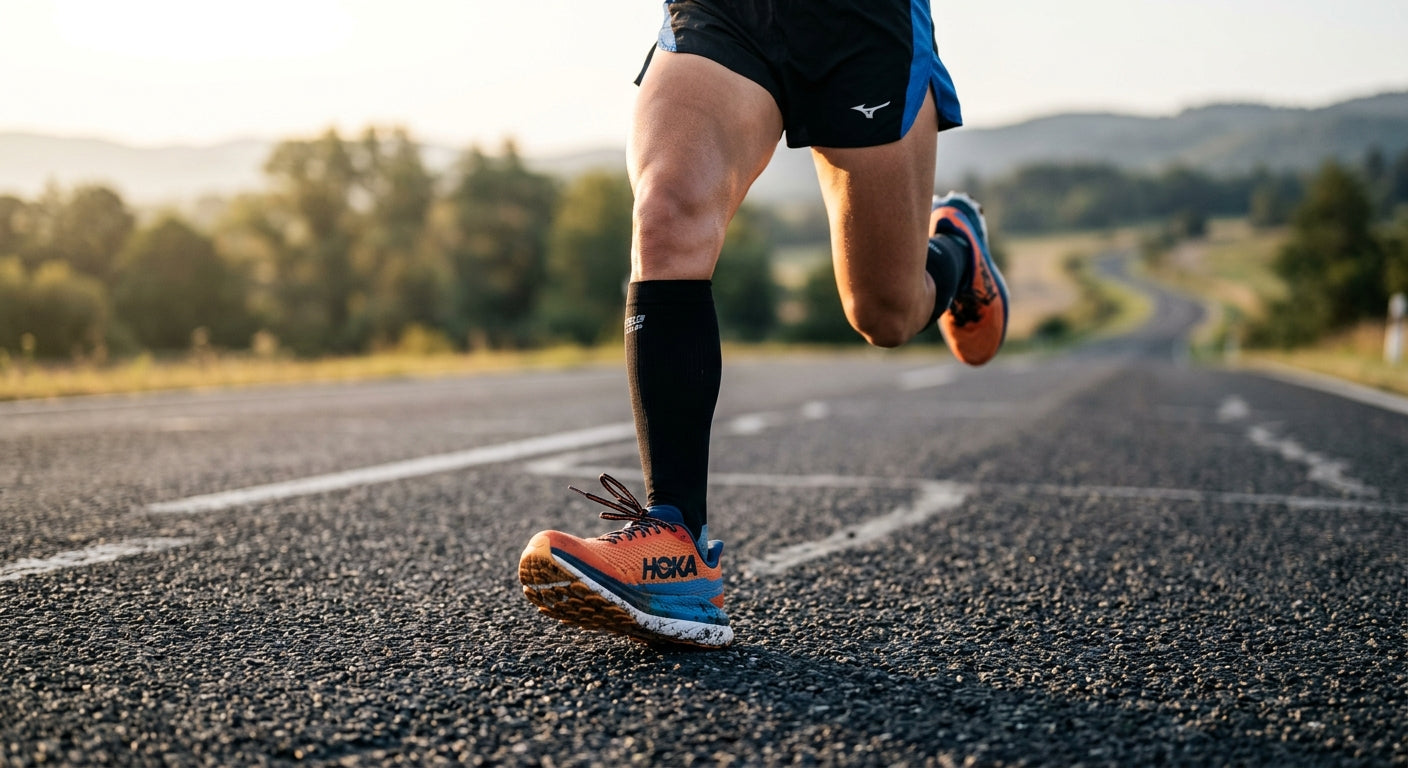
Also, naturally, you have the proper running kit gear factor to weigh. When you are putting down fast steps on the hard ground, the last thing you want to do is wear heavy shoes and tight clothes that hold your legs back. Buying lightweight daily trainers and split running shorts means you step out fully spec'd out for speed that not only feels light, but lets your legs move free and wide. That is a choice that makes hitting top pace easy and fun.

Have a specific performance goal in mind?
Get direct feedback on your training targets right here on the page—no sign-up or account required. Try asking Raye: 'How should I adjust my weekly mileage for a sub-20 minute 5K?' Ask about your goals
How long before I see improvements
Next, of course, you have the time and patience factor to plan. When you are adding speed work to your weekly plan, the last thing you want to do is expect to drop minutes off your race time in just two days. Sticking to the plan for a month means you get your nerves dialled in slowly so that it not only wires the brain right, but builds strength in the feet. That is a timeline that works better than anything else we know.
Finally, naturally, you have the warm up body mobility factor to check. If you are going out to run very fast short sprints, the last thing you want to do is skip the warm up and shock a cold body into gear. Using simple mobility bands before you run means you get your hips kitted out with heat that not only wakes the muscles up, but stops bad injuries in their tracks. That is a habit that will keep you running strong for years.
10 alternative training techniques
- When you are looking for more power on the road, the last thing you want to do is run flat routes that fail to build leg strength. Doing Hill Sprints means you get your uphill form dialled in so that it not only works the calves hard, but makes flat running feel very easy. That is a session that is better than anything else.
- When you are running long on the road, the last thing you want to do is stick to one slow pace that makes the mind go totally numb. Doing Fartlek Runs means you get your pace changes spec'd out so that it not only adds fun to the run, but teaches your heart to recover fast. That is a session that brings joy to the work.
- When you are training for a long race, the last thing you want to do is avoid the hard middle pace that builds a big aerobic base. Doing Tempo Blocks means you get your race engine kitted out so that it not only pushes the burn away, but locks your mind into a tough groove. That is a session that hardens you for race day.
- When you are heading out for a run, the last thing you want to do is start too fast and drag your tired feet all the way home. Doing Progression Runs means you get your pacing turnkey ready so that it not only warms the body up slowly, but ends with a very fast finish. That is a session that leaves you on a high.
- When you are trying to hit an exact split, the last thing you want to do is guess your speed on a road where steep hills slow you. Doing Track Intervals means you get your watch dialled in so that it not only keeps you honest on the clock, but forces you to run the line. That is a session that builds true speed and grit.
- When you are sore from a hard week, the last thing you want to do is push the pace and dig a deep hole of bad leg fatigue. Doing Recovery Jogs means you get your rest days kitted out so that it not only flushes the bad waste out, but gets you ready for tomorrow. That is a session that is smart for the body.
- When you are building up time on your feet, the last thing you want to do is run so fast that you have to stop and walk home. Doing Long Slow Miles means you get your endurance spec'd out so that it not only burns fat for fuel, but builds thick walls in the heart muscle. That is a session that gives you a huge tank.
- When you are warming up for the track, the last thing you want to do is skip the basic moves that prime the legs for big heavy shocks. Doing Bounding Drills means you get your form dialled in so that it not only teaches the feet to bounce, but adds snap to your normal running stride. That is a session that trains the brain to fly.
- When you are looking to run fast without pain, the last thing you want to do is run long blocks that flood the legs with heavy acid burn. Doing Cruise Intervals means you get your fast work turnkey ready so that it not only breaks the work up, but keeps the total stress very low today. That is a session that is clear and very simple.
- When you are wanting to spin your legs very fast, the last thing you want to do is fight the wind on a flat path that limits speed. Doing Downhill Strides means you get your top gear kitted out so that it not only overloads the nervous system, but makes flat ground running feel like flying. That is a session that is fun and works well.
Finally, of course, you have the social media factor to sort out. When you are busy running and managing your club, the last thing you want to do is waste hours posting on social media instead of coaching your runners. Using a system called site2.uk (like our site sundried.site2.uk) means you get a turnkey setup that not only automates all your social posting, but lets you control it fully by WhatsApp. That is convenience that is better than anything else out there today.


